

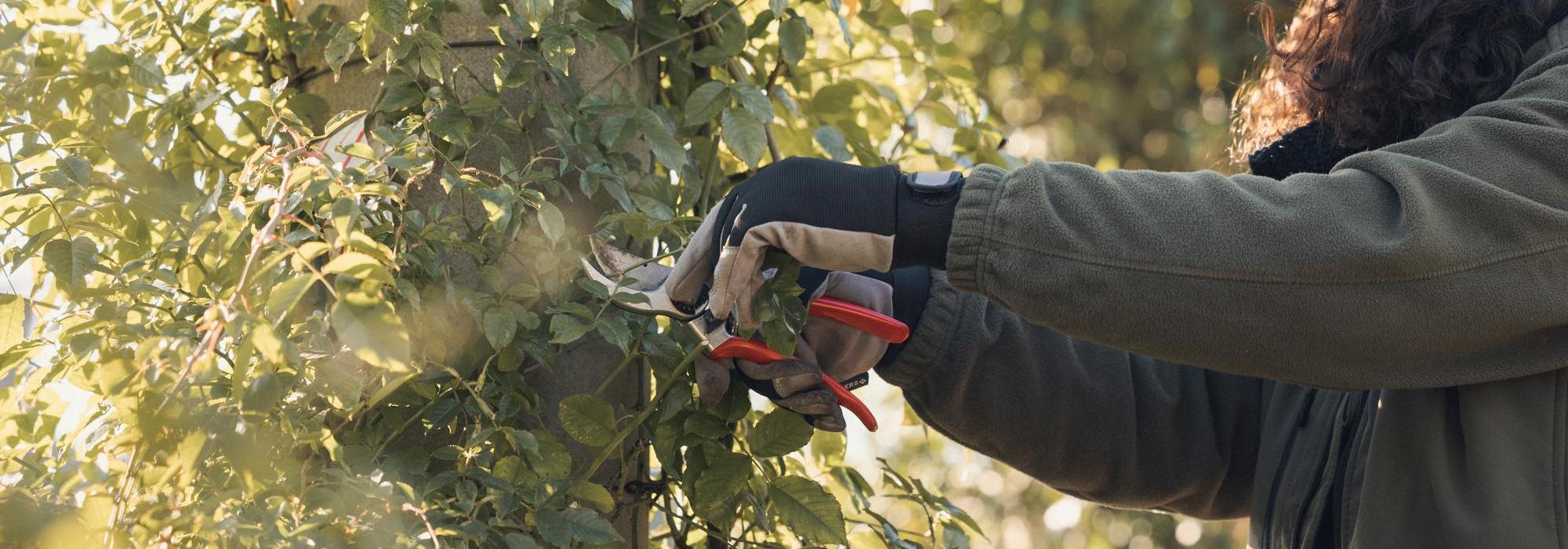
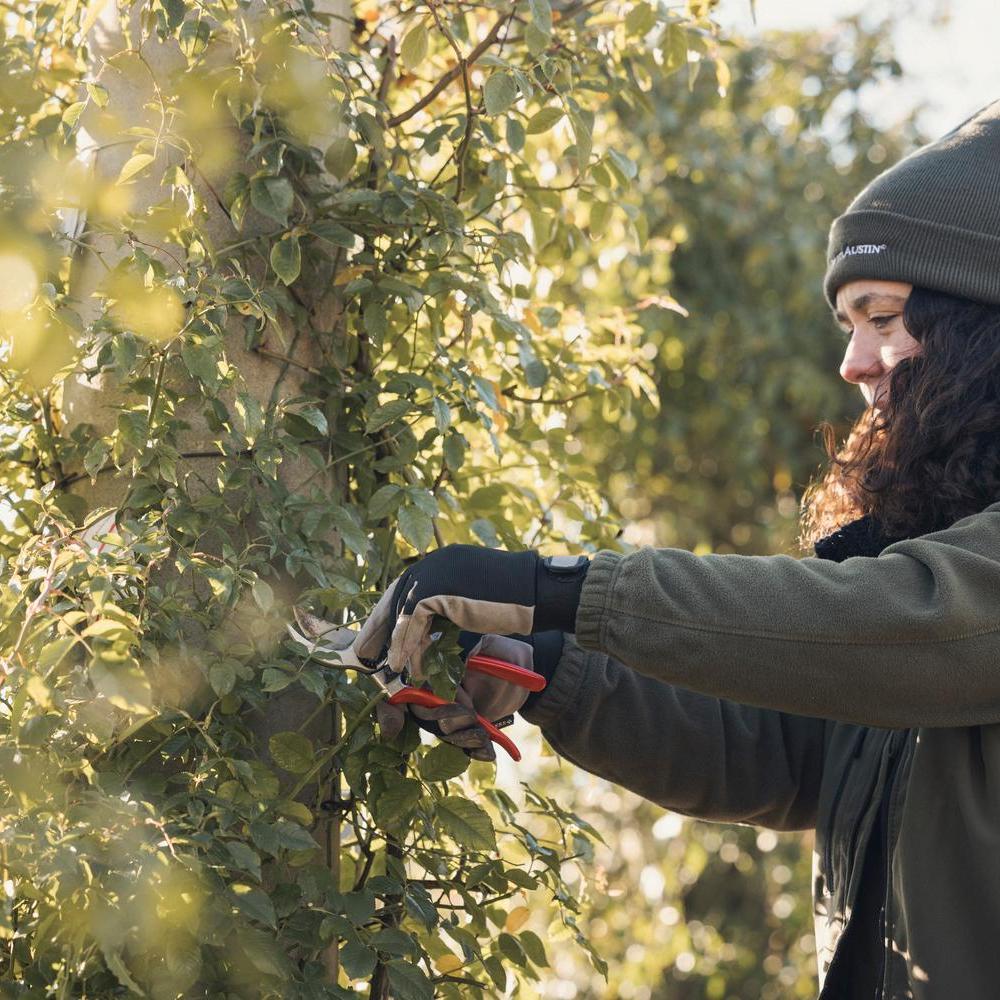
How to Prune Repeat Flowering Climbing and Rambling Roses
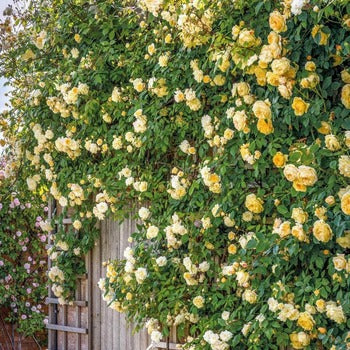
Climbing and rambling roses are among the most rewarding roses to grow. Given a support and a little guidance, they quickly become generous plants, covering walls, arches and structures with leafy growth and repeat flowers across the season.
To keep them flowering well and looking their best, they benefit from an annual prune while the rose is dormant. Pruning is not about strict rules or perfect cuts. It is simply the way we guide the plant into a good structure, encourage fresh growth, and keep flowering spread across the rose rather than concentrated at the top.
If you feel unsure, it helps to remember that roses are resilient. You will not kill a rose by pruning it imperfectly. These guidelines are simply to help you get the best display, and any errors are usually only short term.
Pruning keeps a climbing or rambling rose healthy, manageable and productive. Done well, it will:
- Improve the overall look and shape
- Maximise flowering
- Help combat disease by improving airflow
- Keep the rose within bounds and easier to manage
- Stimulate strong new growth
It also helps prevent a common issue with climbers, where flowering is abundant at the top but the lower part becomes sparse. The combination of training and pruning is what keeps growth and bloom distributed evenly.
Essentials
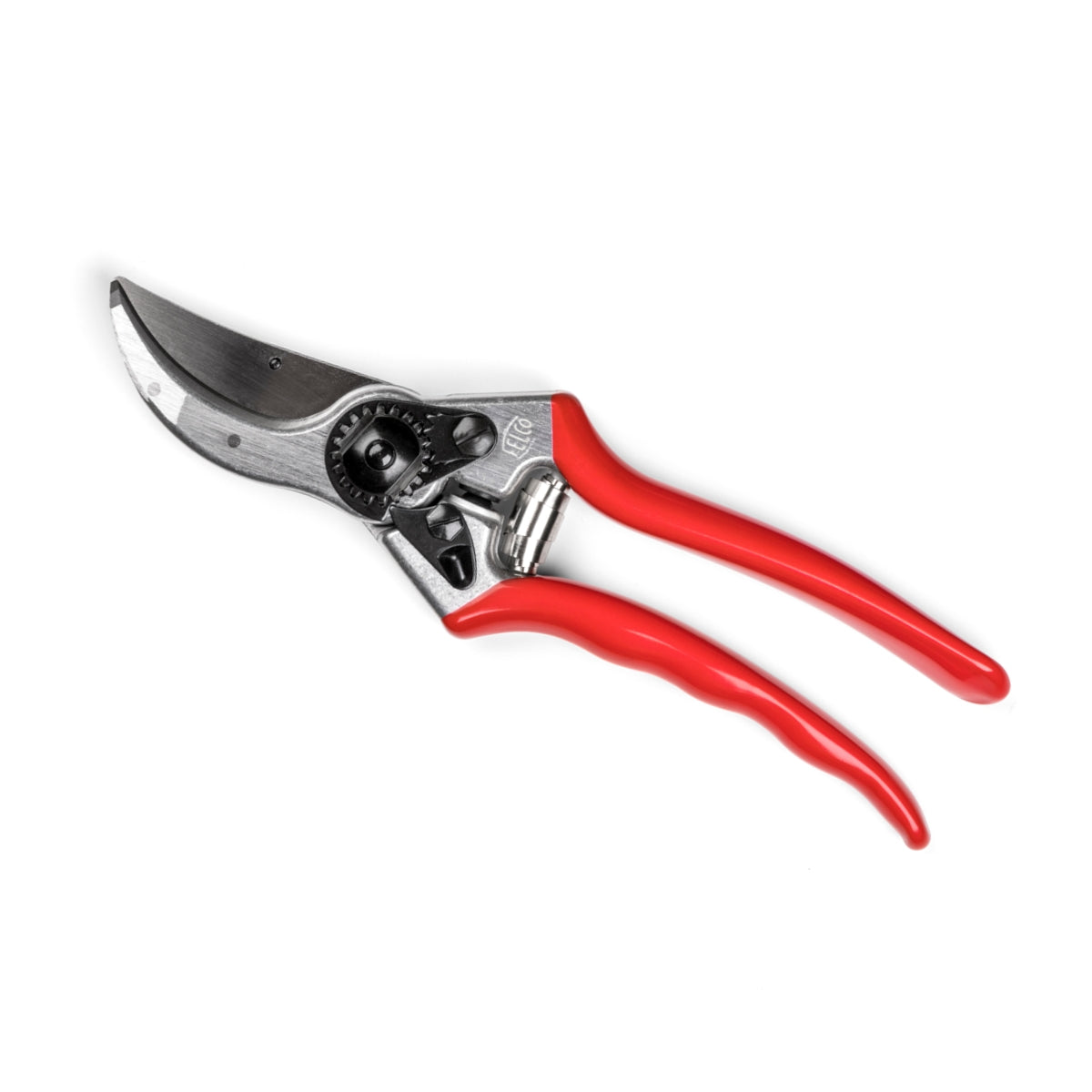
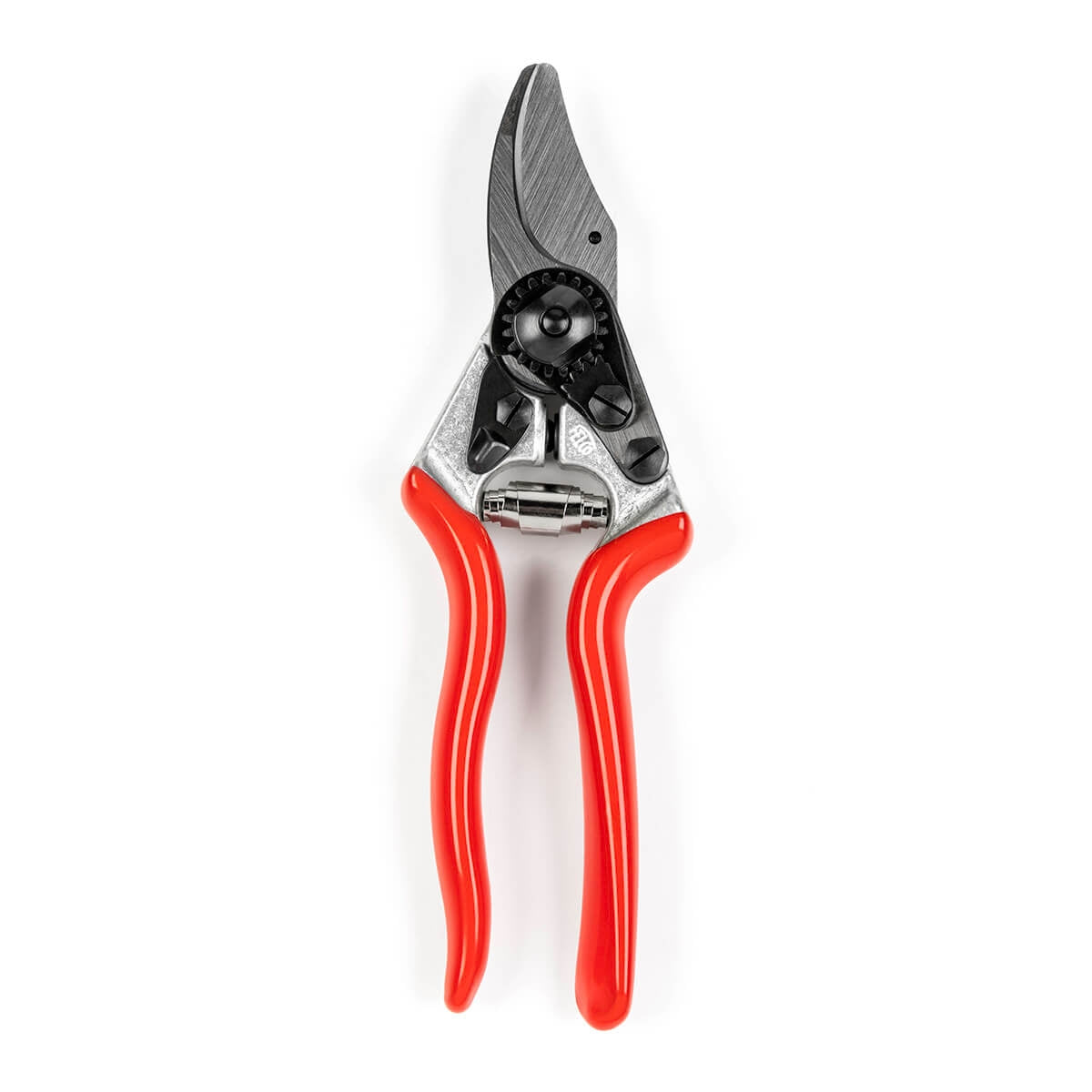
It is worth sterilising secateurs from time to time, particularly if you are removing diseased growth, as this helps prevent
spreading infection from one plant to another.
- Gloves
- Flexi-Tie Roll (or similar soft tying material)
Optional
- Long handled loppers
- Pruning saw (for old, thick stems)
- Ladder
- A wheelbarrow or bucket (to gather old leaves and pruned stems)
- Steriliser for secateurs
Climbing and rambling roses also need reliable support. For training on walls and fences, we recommend vine eyes and galvanised wire, securing stems loosely with flexi-tie.
Vine eyes ensure the rose is not held flat against the wall, improving airflow and helping to prevent fungal disease. Flexi-tie is durable and expands as stems thicken, reducing the risk of damage.
Prune every year between January and February, when the rose is at its most dormant.
Pruning earlier is not advisable because roses can still be growing. Pruning later, particularly as the weather warms, can shock the plant and may delay flowering.
If you are pruning late, it is still fine to prune if shoots have started to appear, but ideally before the plant has leafed up fully. And if you missed pruning last year, do not worry. It is still worth pruning now, and the rose will respond well.
The Guiding Principle: Train First, Prune Second
The key to successful pruning is understanding how climbing roses flower.
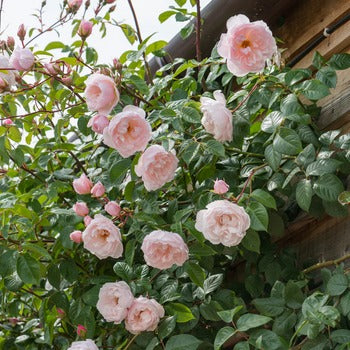
A climber trained straight up will often flower mainly at the top, with fewer flowering side shoots lower down. But when long main stems are trained outwards and tied closer to horizontal, the plant produces many more flowering side shoots along the stem.
Where possible, aim to fan stems out and tie them in place. Longer stems can be pulled down to around 45 degrees or more, and ideally nearer horizontal where the structure allows it.
This training is what encourages flowers from lower down, rather than only at the top.
Year One and Two: Establish the Framework
In the first year after flowering, and usually through the second year as well, a climbing or rambling rose is still establishing its roots and building the main framework. At this stage, pruning is light.
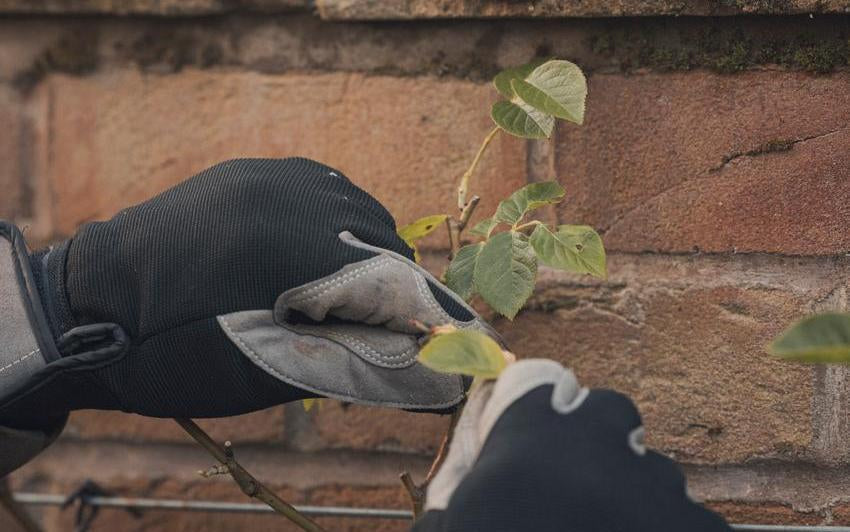 Step 1Start by removing any remaining leaves. This improves airflow and removes places where disease spores can overwinter.
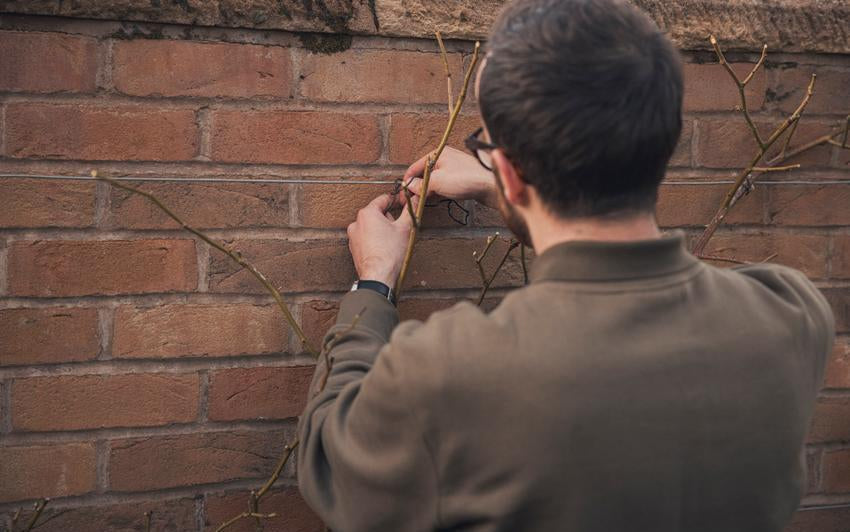 Step 2Next, focus on the main stems. Pull longer stems down and tie them against your wires in a fan shape. Any stems growing away from the wall or structure that cannot easily be tied in can be shortened.
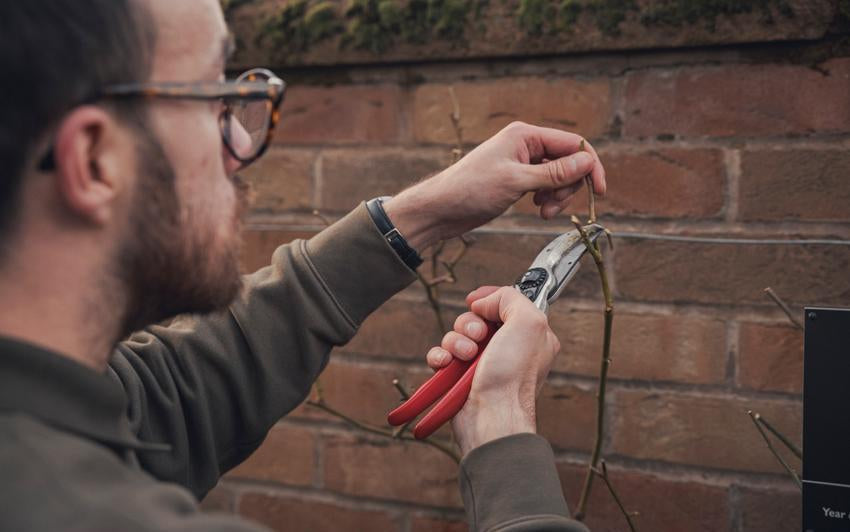 Step 3Then remove unhealthy growth using the Four Ds: dead, dying, damaged and diseased.
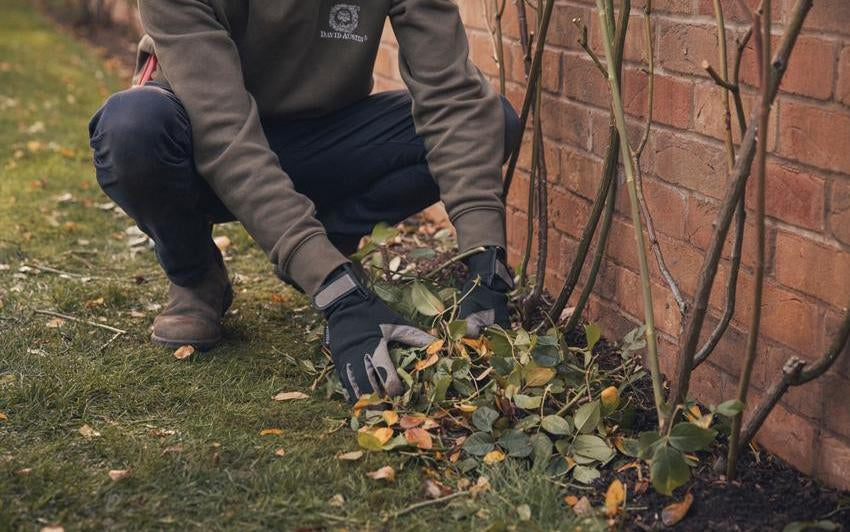 Step FourFinally, shorten flowering side shoots, reducing them by around half. Clear away fallen leaves and prunings from the ground and dispose of them. Rose foliage should not be composted, as spores can reinfect the plant.
Year Three and Beyond: Increasing Coverage and Maintaining Flowering
By year three, the rose is beginning to form a fuller plant on its support. The approach remains much the same, but you now have more choice in shaping.
Beyond year three, continue pruning each winter as before.
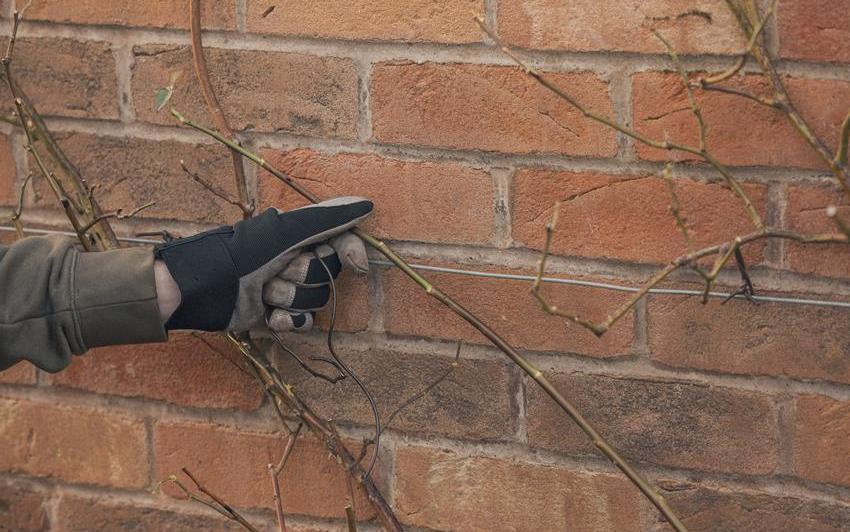 Step 1Where longer side shoots help extend the fan shape, these can be tied in rather than cut back.
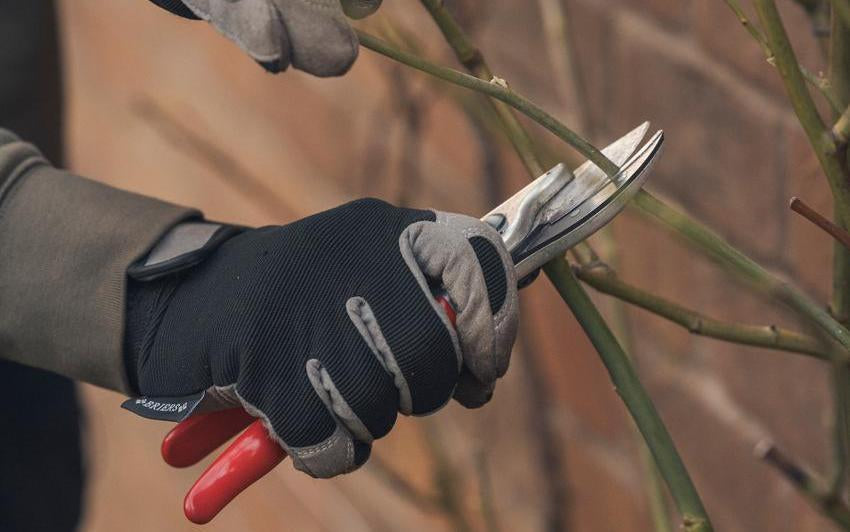 Step 2Shorter side shoots can still be reduced by around half their length. This is one of the simplest ways to increase coverage and flowering across the structure, without relying solely on new basal stems.
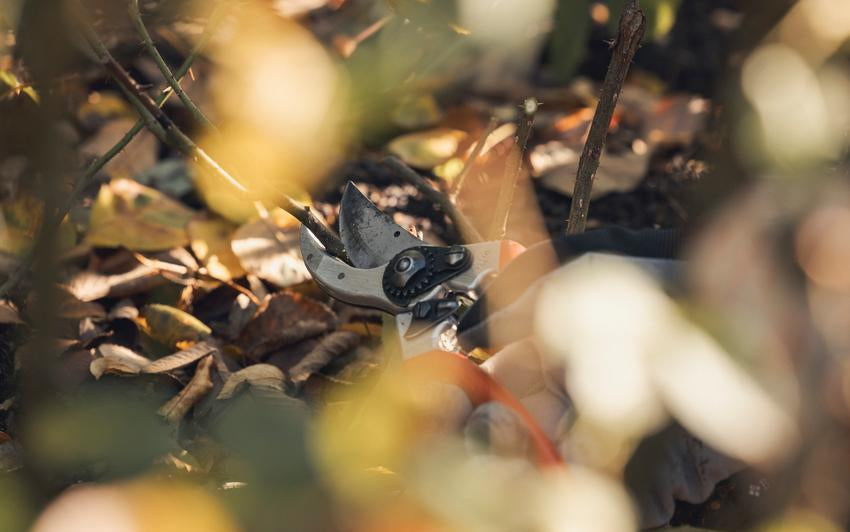 Step 3From around year five or six, it is also beneficial to remove some older stems at the base, particularly those that have become thick and woody or are no longer as productive.
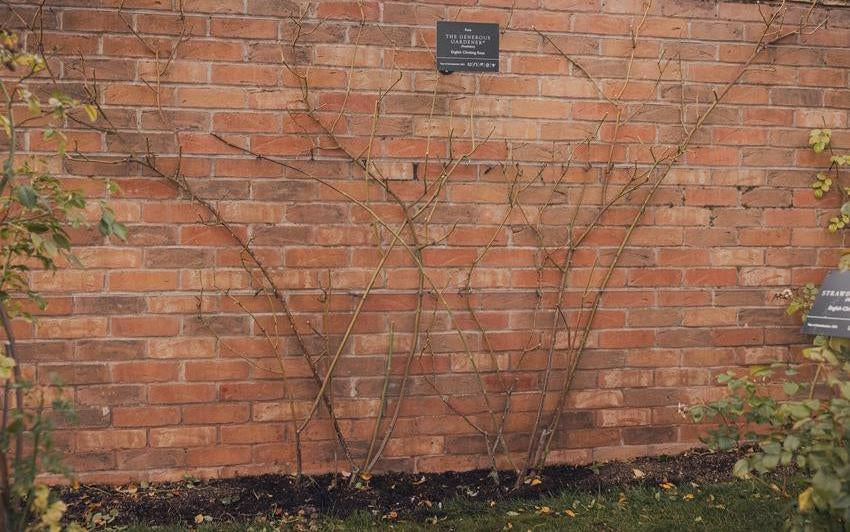 Step 4This reduces congestion, improves airflow, and encourages fresh new stems from the base. In the long term it keeps the rose healthier, more manageable, and more floriferous.
Narrow Spaces and Structures
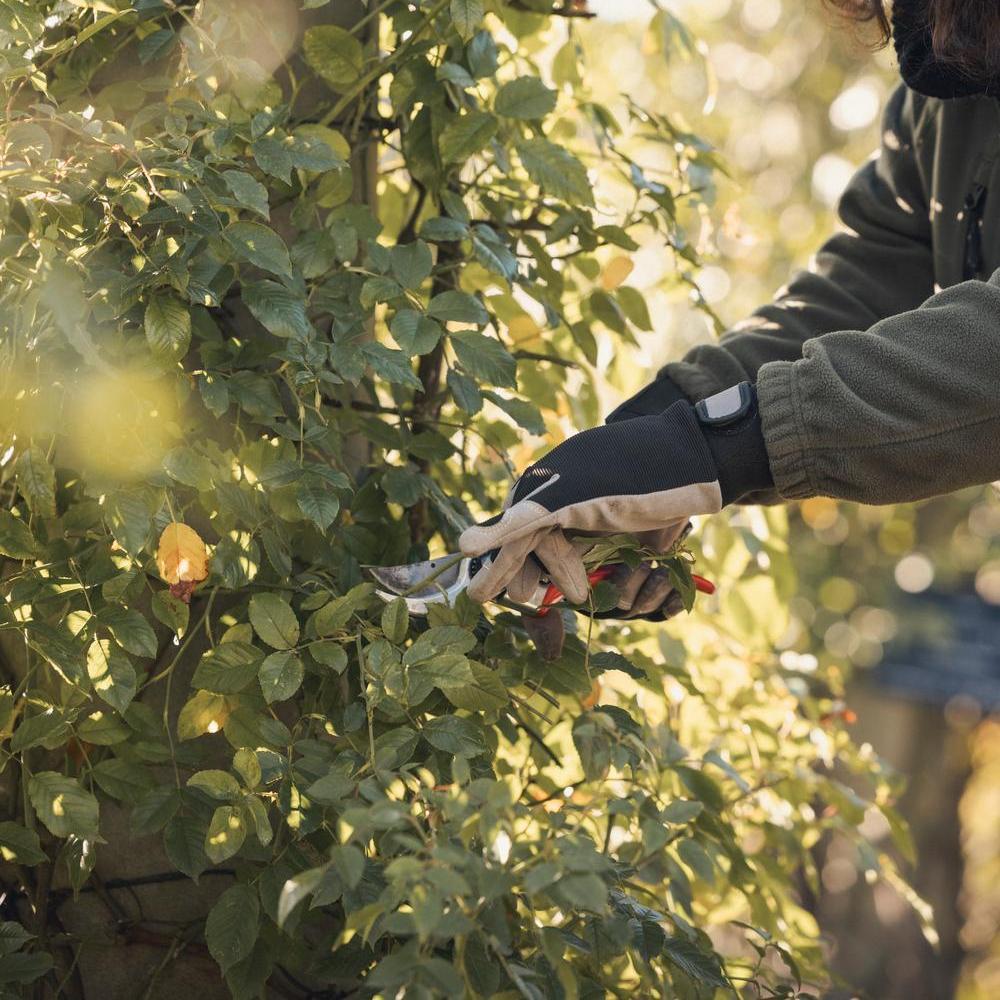
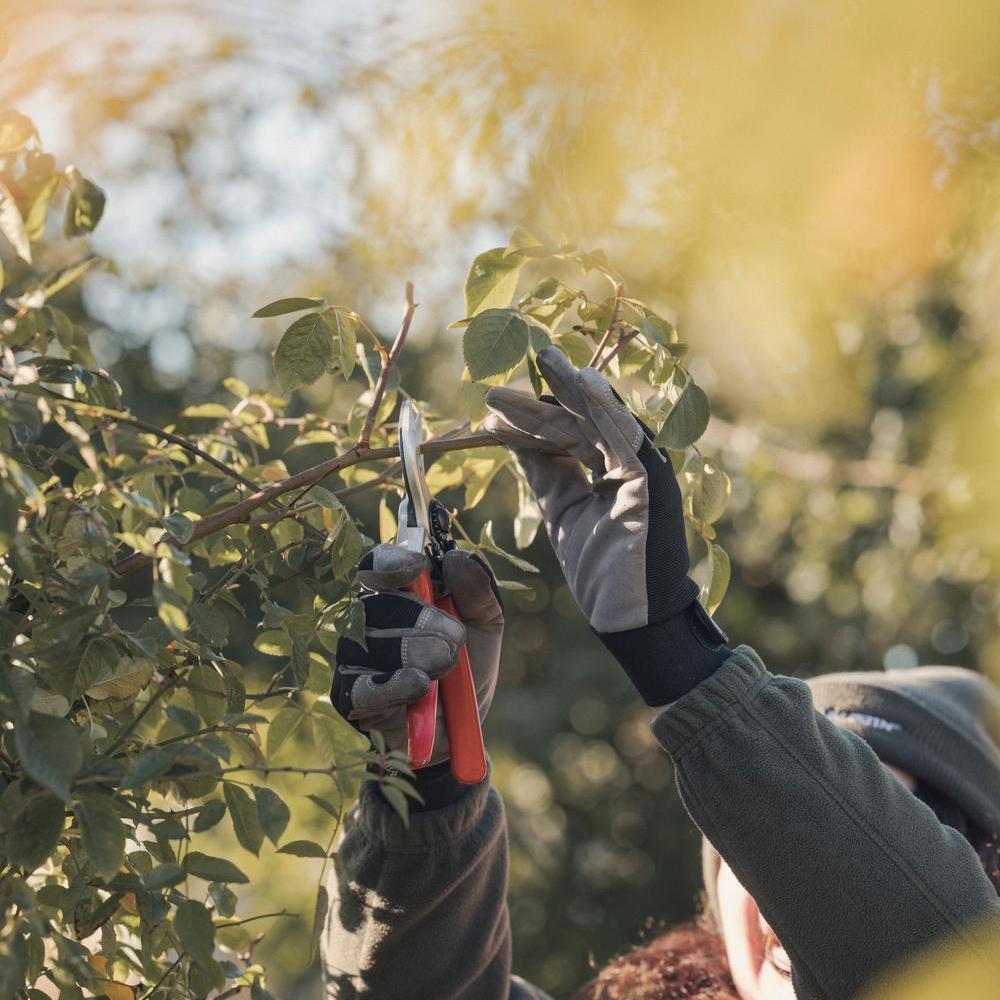
Not every rose has the space to be fanned out widely. In narrow positions, training techniques are even more important.
The Season Ahead
Once a climbing or rambling rose has been pruned and tied in, the structure is clear and the plant is ready to grow strongly. In spring, buds swell along each trained stem, side shoots form, and flowering follows along the length of the rose rather than only at the top.




-
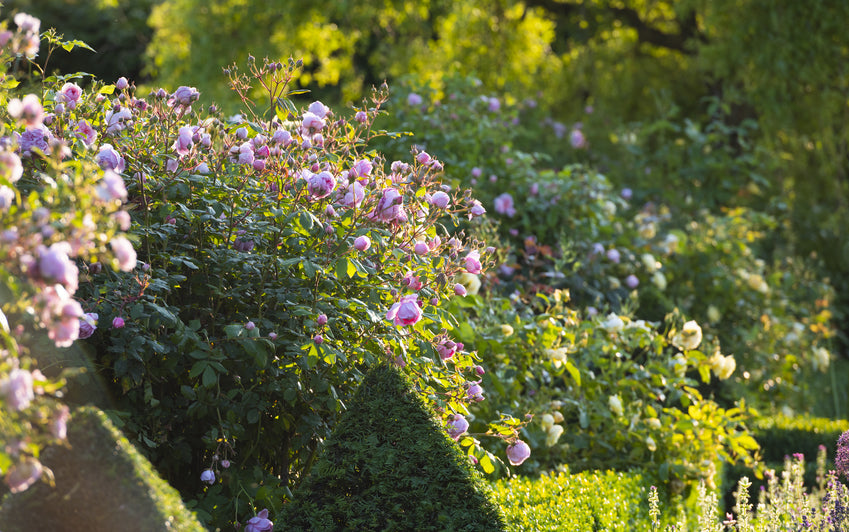
Once-Flowering Roses: A Guide to PruningOnce-flowering roses carry an air of tradition, a reminder of old gardens where their brief but magnificent display was the highlight of summer. They bloom on wood made the year before, so pruning them is a matter of patience and respect for their natural rhythm.
-
How to Prune a Standard Tree RoseStandard Tree Roses bring a particular elegance to the garden. Their blooms are held aloft, turning borders and containers into something more structured and refined. Because the flowering head sits high above the ground, its outline becomes part of the garden’s architecture, which makes pruning especially important.

-
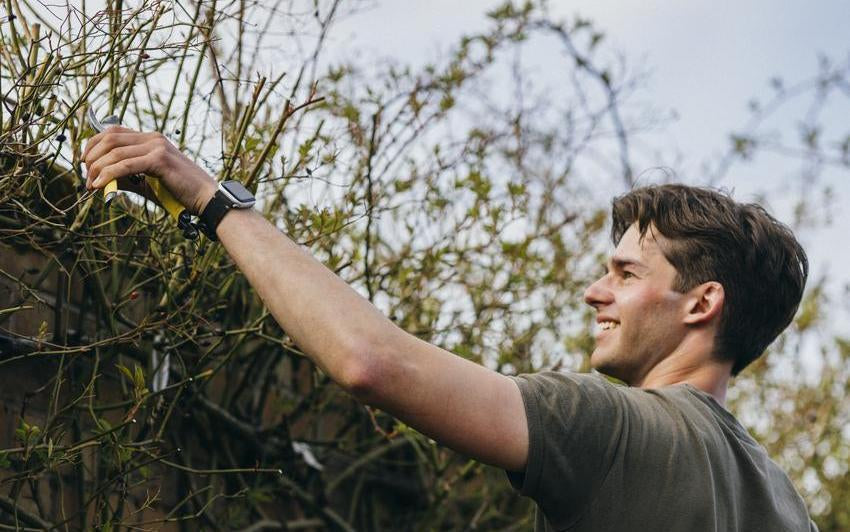
Pruning Roses In April? Here's What You Should Know FirstAs April arrives and your garden begins to stir, you might find yourself wondering, Is it too late to prune my roses? Maybe winter slipped by and you didn’t get to it, or perhaps you're simply not sure when the right time is. If you're looking for a bit of reassurance, you're not alone.
-
The Basics of Growing RosesRoses bring a quiet happiness to a garden. Their beauty feels effortless once they are settled, and even a new gardener can grow them with success. With sunlight, sound soil, and a little seasonal care, roses will flower generously and become dependable companions through the year.


