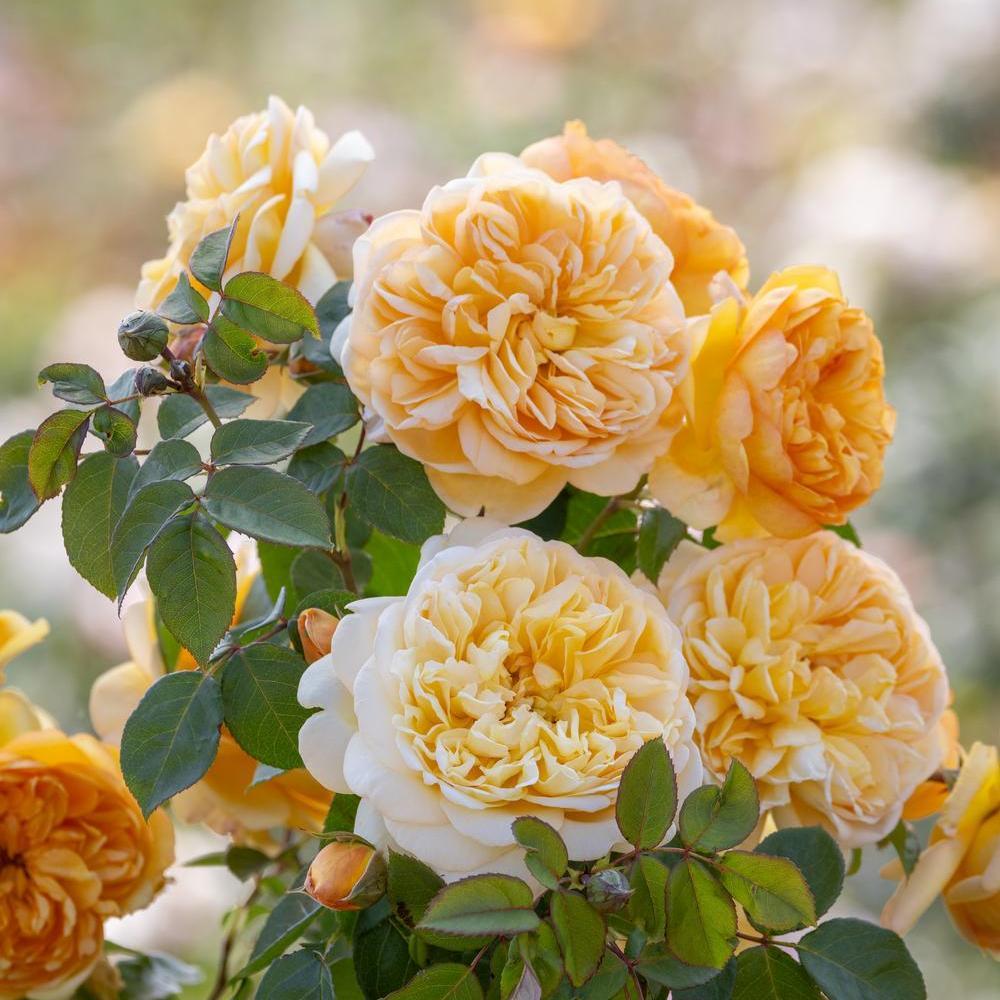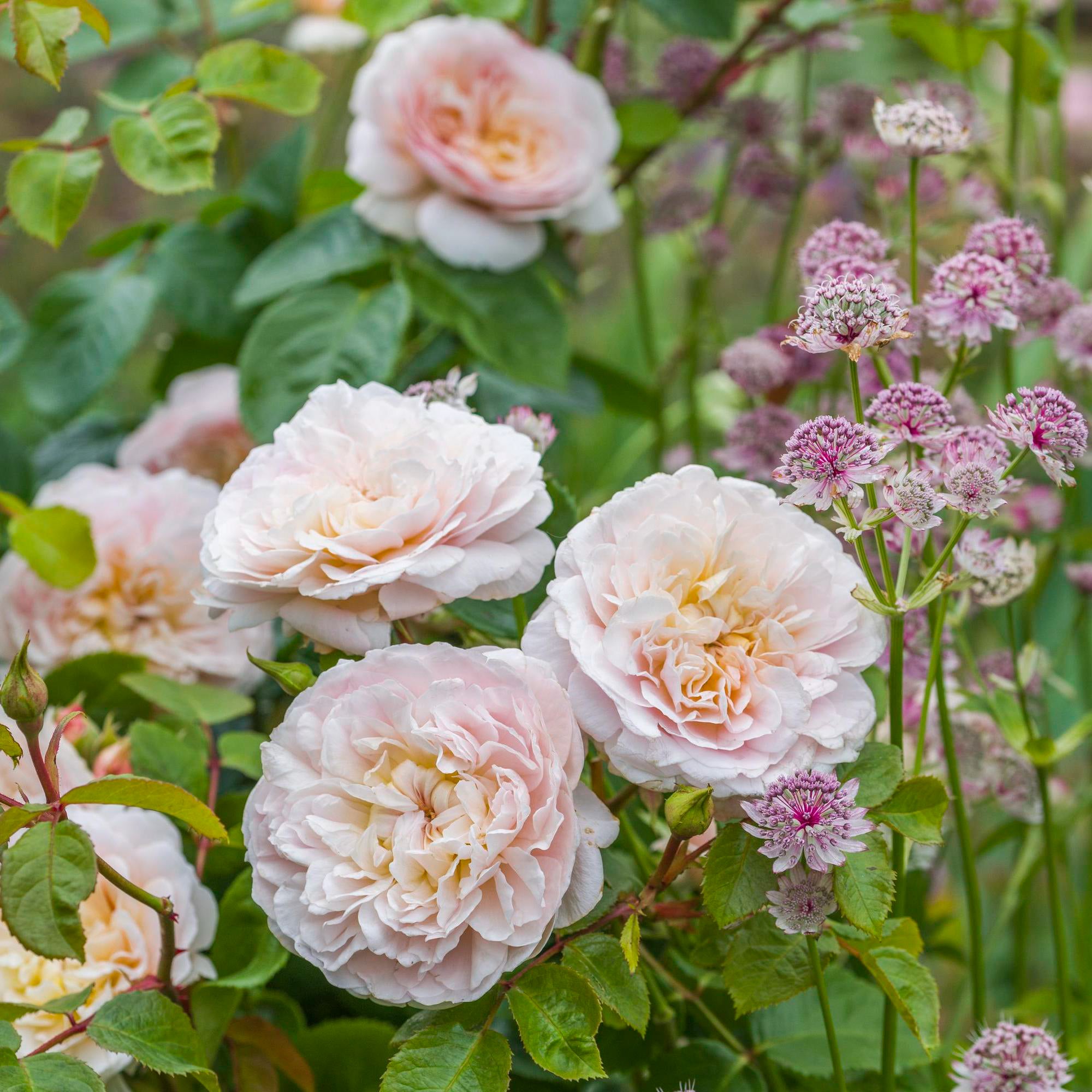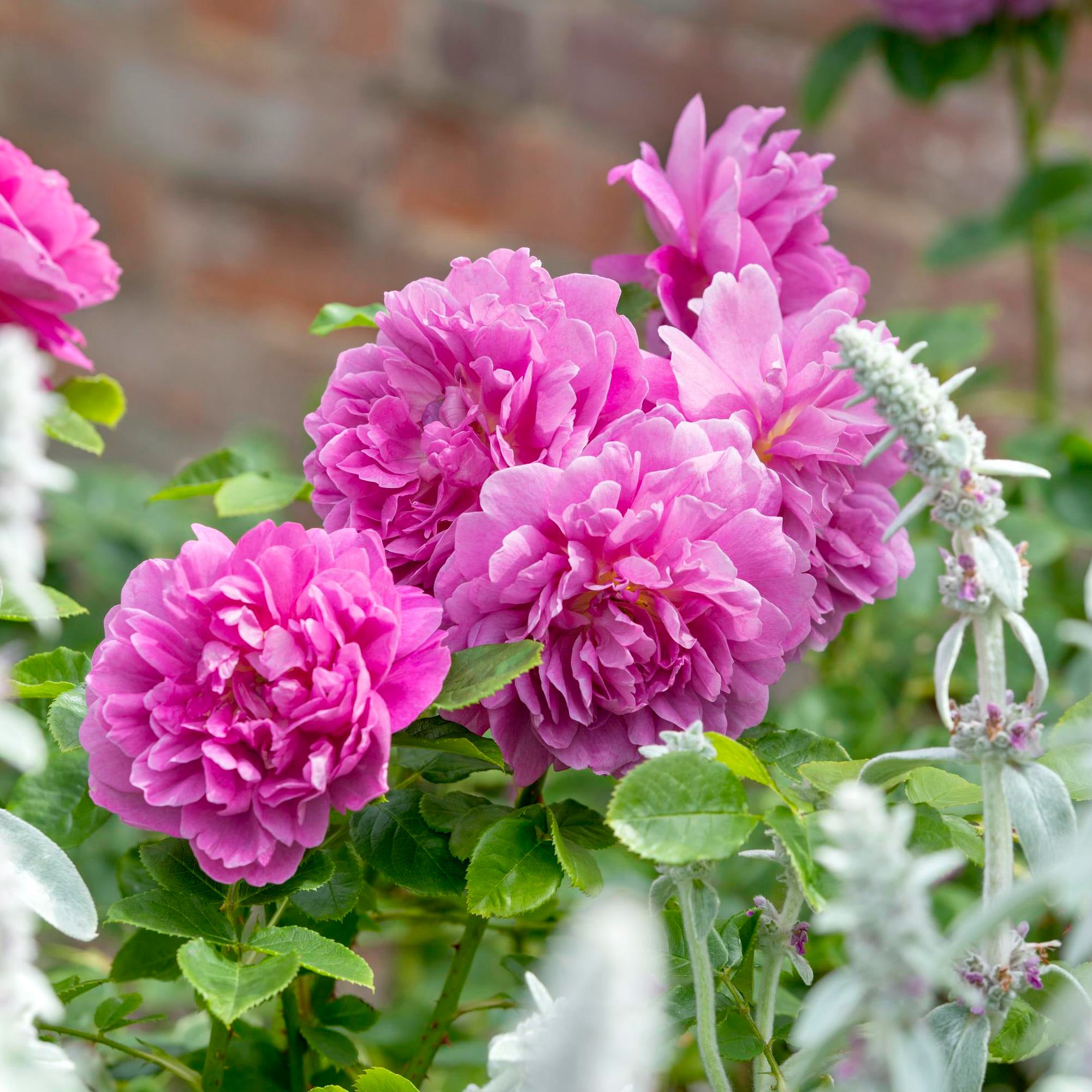


Remembering our Founder, 100 Years (1926-2018): The Vision Behind the English Rose
Continuing our centenary reflections
In the days following the centenary of David C. H. Austin’s birth on 16 February, it feels fitting to reflect more deeply on how he worked and why his influence endures.
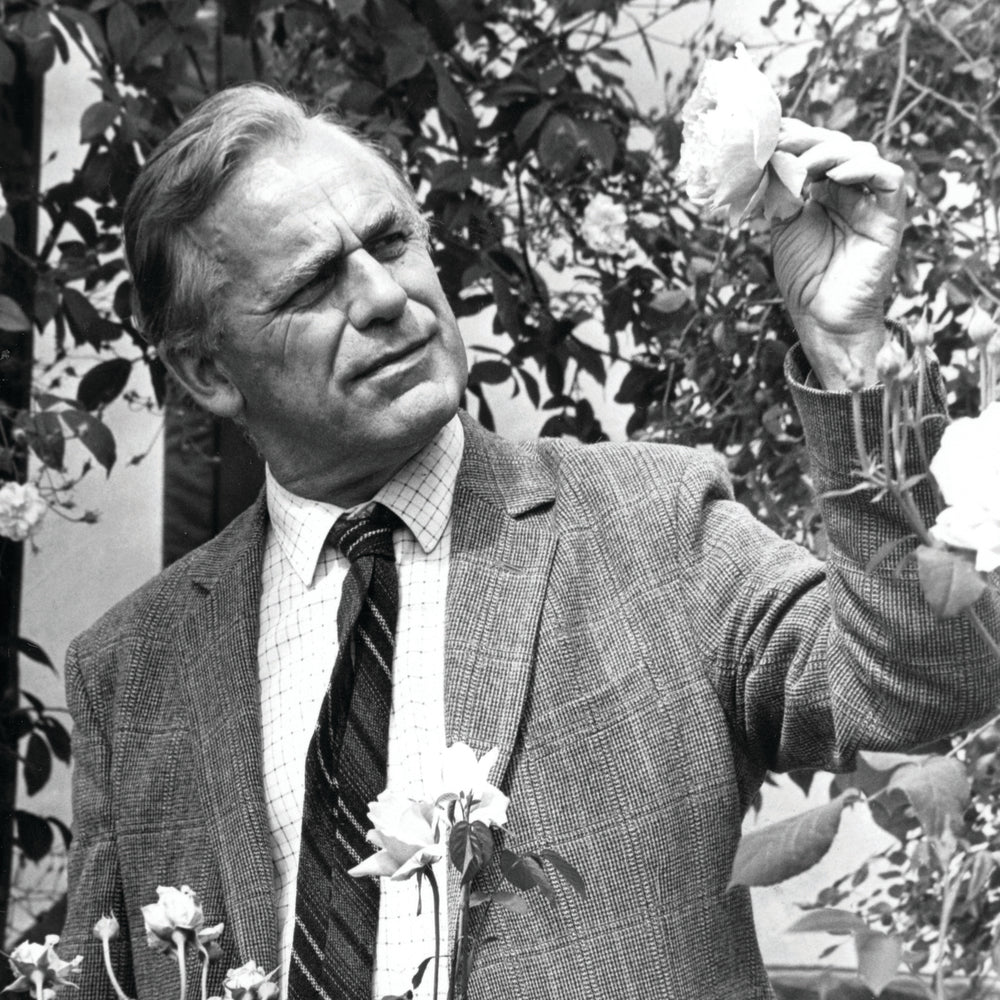
David approached rose breeding as a long and thoughtful process. From the first cross to final introduction, a single rose could take ten years or more. Each season brought new seedlings, most of which would be quietly set aside. He watched closely, learning how a rose opened, how it aged, how fragrance developed, and how a plant behaved over time. Often, he could be found walking the trial fields, pausing over a seedling, noting its character and potential.
This attentiveness shaped the character of the English Roses. David cared deeply about how a rose sat in the garden and how it made people feel. He believed a rose should be a pleasure to live with, not simply something admired at a distance. Fragrance mattered, as did balance, softness and a sense of natural ease.
A pivotal moment came in 1982, when David presented English Roses at the RHS Chelsea Flower Show. The response was immediate and enthusiastic. Roses such as Graham Thomas captured public attention and confirmed that his long-held vision resonated far beyond his own fields in Shropshire. From that point on, English Roses found their way into gardens around the world.
Despite international recognition, David remained unassuming. Those who worked with him remember his kindness, his quiet humour and his willingness to listen. He drew inspiration from literature, history and landscape, often naming roses for people and places he admired. His curiosity never faded, nor did his delight in seeing a rose reveal its character.
David passed away in 2018, but his work continues to grow. His roses bridge past and present, honouring tradition while embracing possibility. As this centenary year unfolds, his legacy lives on not only in the varieties he created, but in the values he embodied. Patience, humility and a belief that beauty, given time, will always find its way.
This summer, a short film will form part of these centenary reflections, offering another way to pause and remember David, and to celebrate the quiet joy he found in roses.
 David C. H. Austin OBEFrom Schoolboy to Rose BreederDiscover more
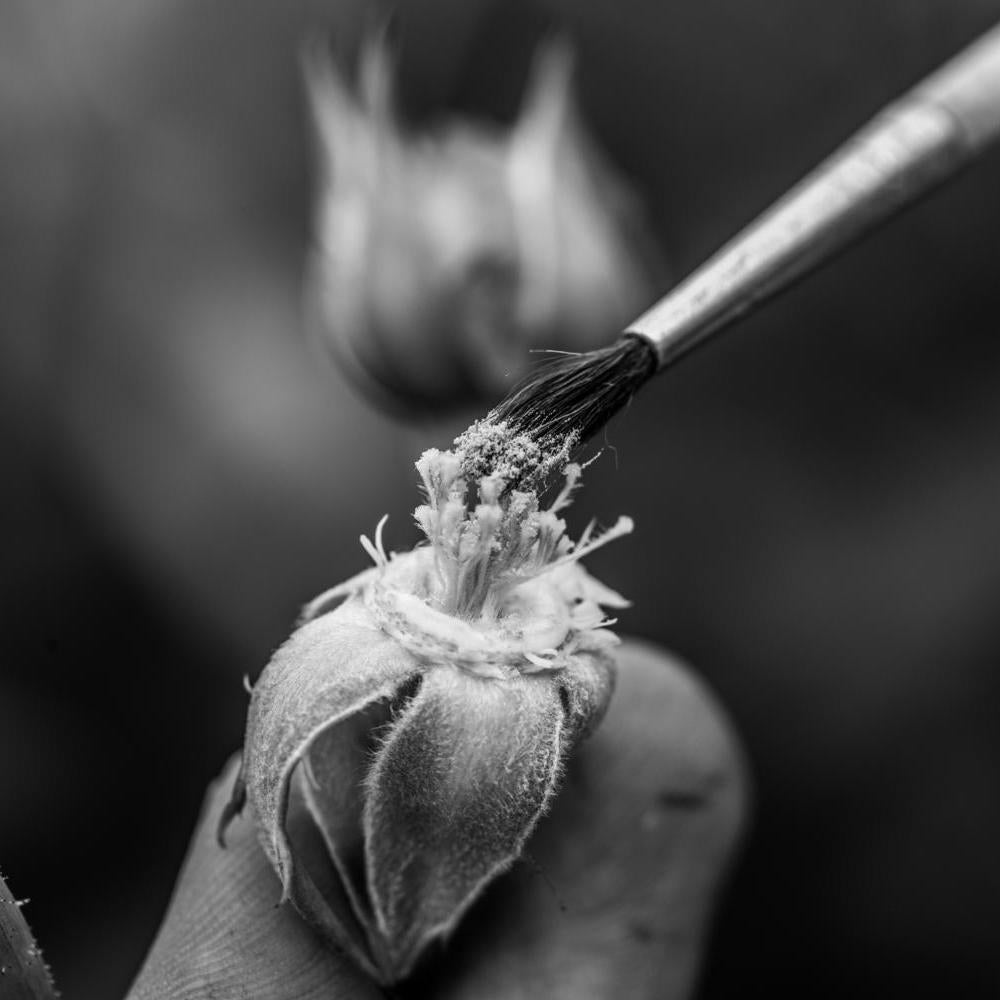 Crafted by HandOur Breeding ProgrammeDiscover more
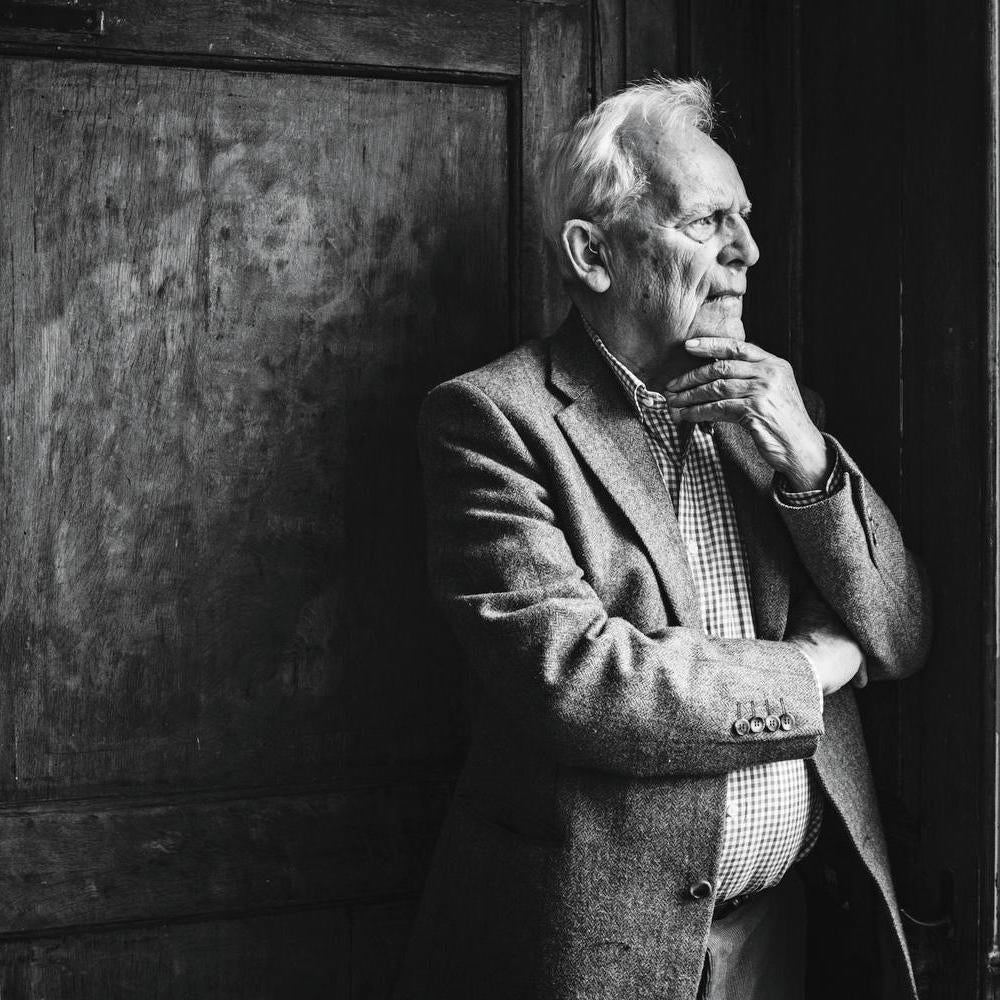 Remembering our FounderA Life Dedicated to the RoseDiscover more
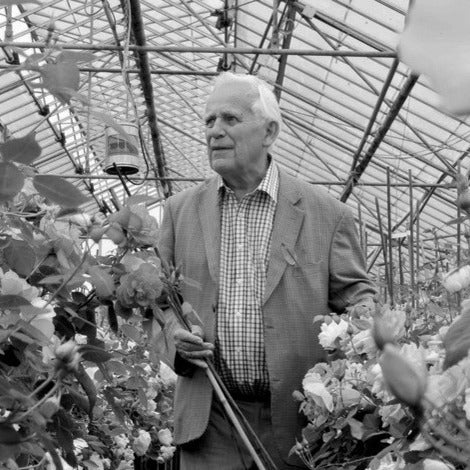 A Love of Scottish RosesThe Rose that Sparked His Vision
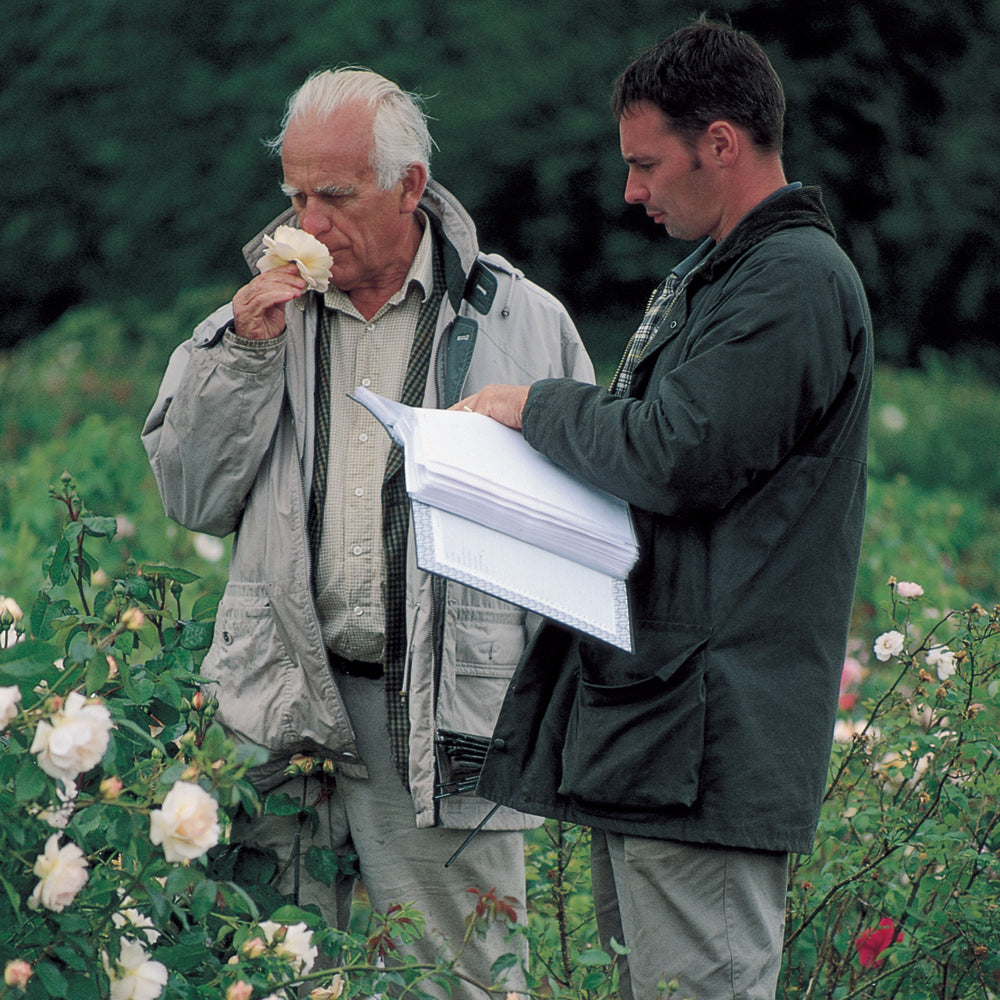 Heritage of Bare Root RosesFrom the Kitchen Table to Gardens Around the WorldRead more