

What’s the Difference Between Bare Root, Own Root and 2-Quart Roses?
Every rose has its own story long before it ever blooms in your garden. Whether you’re planting a long-dreamed-of border, filling a favourite container, or choosing a gift for someone special, it helps to understand how your rose has been grown and what form it will arrive in.
The language around roses can be confusing, because people often mix up two separate ideas: how a rose is propagated (whether it is grown on its own roots or grafted) and how it is supplied (as a bare root plant or in a pot). To make things simple, we describe our roses by the formats we supply.
In short, we offer roses as bare root, own root, and 2-quart. Each follows its own rhythm through the year, but all carry the same promise: a healthy plant with the potential to settle in, flourish, and reward you with years of bloom.
Bare Root Roses (Grafted on Dr Huey)
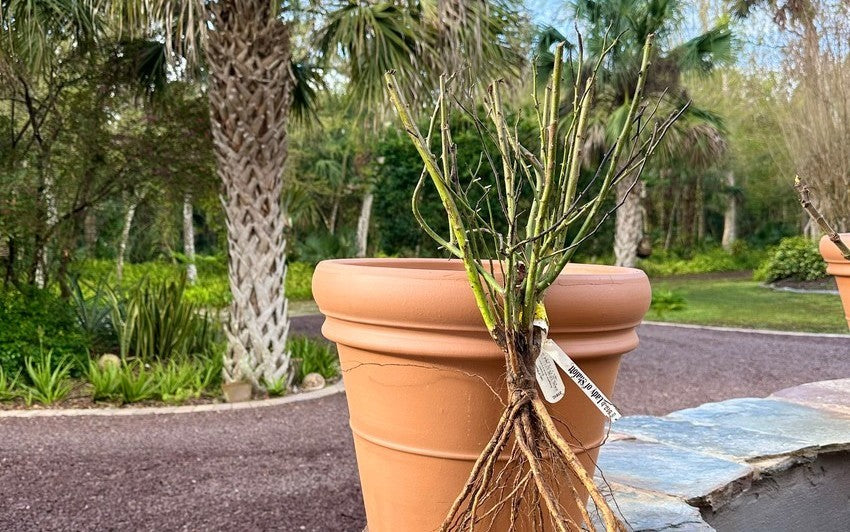
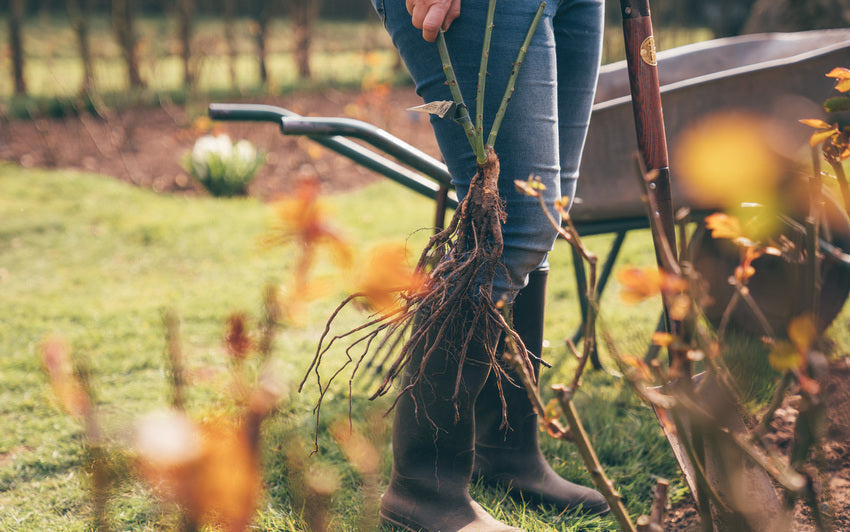
Bare root roses are field-grown roses that are lifted and shipped while dormant, without soil around their roots. There is something wonderfully traditional about planting a bare root rose. It feels like a quiet act of faith: a living plant distilled down to its essentials, poised to begin again.
Our bare root roses are grafted onto Dr Huey rootstock. This means the flowering variety you’ve chosen has been joined to a vigorous, reliable root system selected for strength and performance. Once planted during the dormant season, these roses begin to stretch out their roots as the soil warms, pushing up fresh green shoots as spring unfolds.
Bare root roses are an ideal choice if you’re planting several roses at once, creating a hedge, lining a path, or filling a new border. They establish well, quickly becoming part of the garden’s natural rhythm. They also offer a wonderfully satisfying start to the year, arriving at a time when the garden is full of promise and anticipation.
Bare root roses are available seasonally, because they can only be lifted and planted safely while the plants are dormant.
Own Root Roses
Own root roses are roses grown on their own natural root system rather than being grafted onto a rootstock. They are typically raised from cuttings and develop roots that belong entirely to the variety itself. For many gardeners, this is a particularly appealing way to grow roses. An own root rose grows true from the base upwards, with a consistency of character that feels wonderfully honest.
One of the great advantages of own root roses is their ability to regenerate from the base. If a plant is cut back hard or damaged by weather, any new growth that emerges from below ground will still be the rose you chose. Over time, many own root roses develop into beautifully balanced shrubs, with roots and top growth maturing together.
Own root roses suit a wide range of planting styles, from informal cottage borders to formal beds, and they are especially prized by gardeners who value long-term structure and natural vigour.
2-Quart Potted Roses
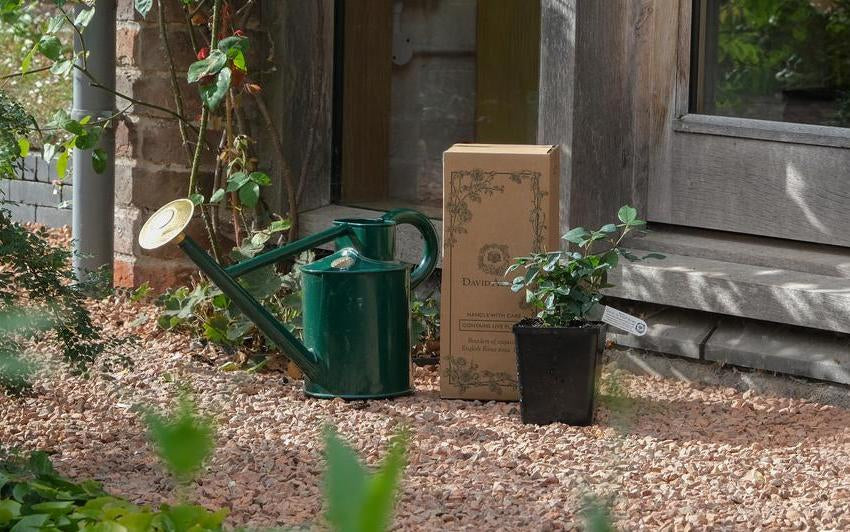
2-quart roses are supplied as established potted plants, grown in compost and ready to plant straight into the garden or into containers. They are wonderfully versatile: easy to handle, simple to position, and ideal for gardeners who want flexibility in planting time.
A 2-quart rose is a lovely option if you are adding to an existing border, planting into a pot by the front door, or choosing a gift that will grow richer with each passing season. There is something deeply satisfying about watching a young rose settle into its space, putting down roots and unfurling its first blooms.
It’s also important to say clearly that 2-quart describes the pot size and planting format, not the root type. In other words, a rose supplied in a 2-quart pot may have started life either as an own-root rose or as a grafted rose, depending on the variety and how it was produced. The benefit for the gardener is the same: you receive a healthy, established plant in a convenient potted format, ready to grow on.
So which should you choose?
The best choice often comes down to the time of year and the kind of planting you’re doing.
Bare root roses are ideal when you’re planting on a larger scale or working on a new section of garden through winter and early spring. Own root roses are a wonderful option for gardeners who value consistency and long-term performance. 2-quart roses offer flexibility, convenience, and the pleasure of planting an established potted rose in spring or autumn.
Whichever you choose, the essential truth remains the same. A rose is never just a plant. It’s a beginning. A few roots and stems that soon become fragrance in the air, petals opening to the sun, and a garden that feels more generous year after year.
Seasonal Availability
Bare root, own root and 2-quart roses are live plants, and their delivery depends on the best planting time for your area. We will only ship your roses when conditions are right for planting.
Bare root roses, whether they be own-root roses or grafted roses, are delivered between January and May.
2-quart roses are delivered between April and May or September and October, depending on your location and weather conditions. Shipping times may vary due to seasonal factors and location.
Please be advised that your roses may be delivered the following planting season, depending on when you place your order.
Not Ready to Plant?
Sometimes plans change or the weather doesn’t quite play along. If you’ve received your bare root or own root roses but planting needs to wait, don’t worry. For short delays of up to three weeks, you can store them in a cool, frost-free place such as a shed or garage. Keep them tightly sealed in their original box and polythene bag. They’ll stay perfectly happy, and you may even spot some new growth in spring, which is a good sign of a healthy, eager plant.
If your planting delay stretches beyond three weeks, it’s best to heel them in. Simply take them out of their packaging, leave them bundled together, and dig a shallow trench or hole big enough for the roots. Cover the roots with soil, firm it down, and water if conditions are dry. This keeps them fresh and protected until you’re ready.
For 2-quart potted roses, it’s best to plant as soon as you can, but if needed they’re content to remain in their pots for a few weeks. Just make sure they’re watered regularly. The compost should stay moist but not soggy, depending on your local weather. Check often and water as needed to keep them thriving.
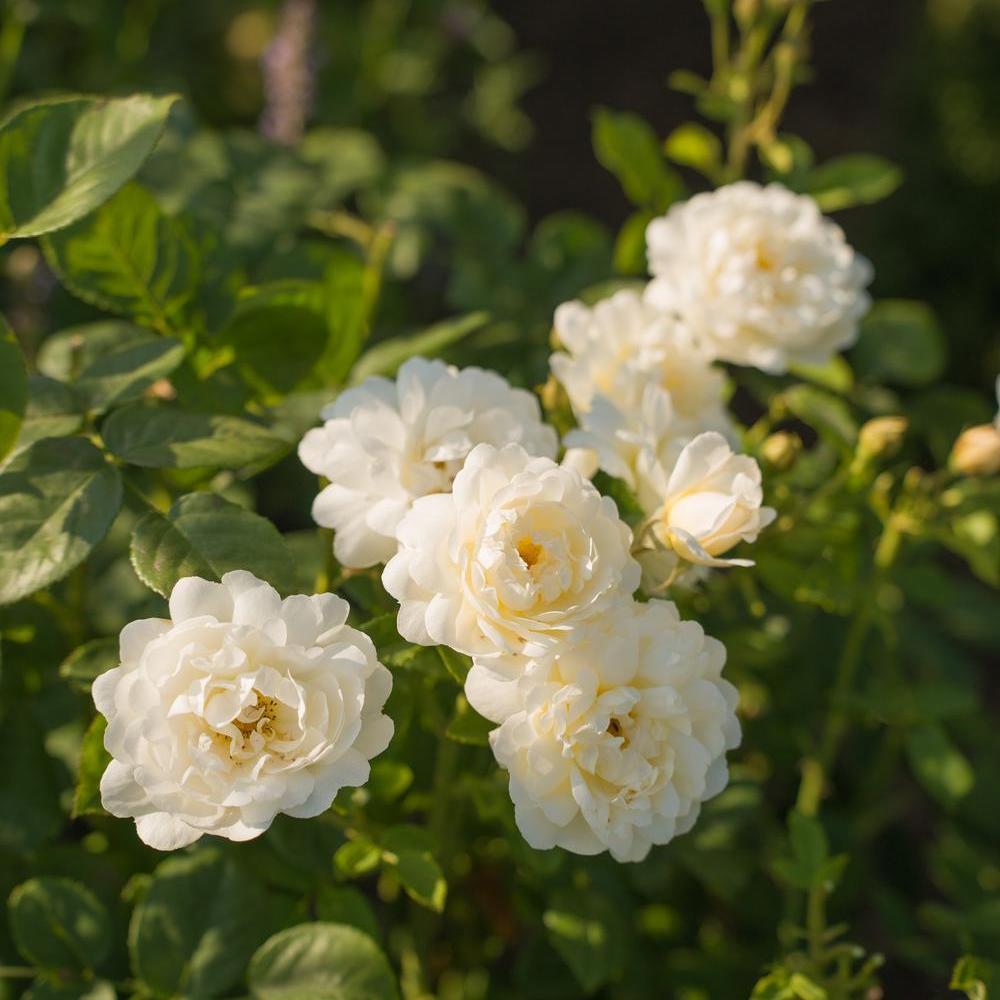
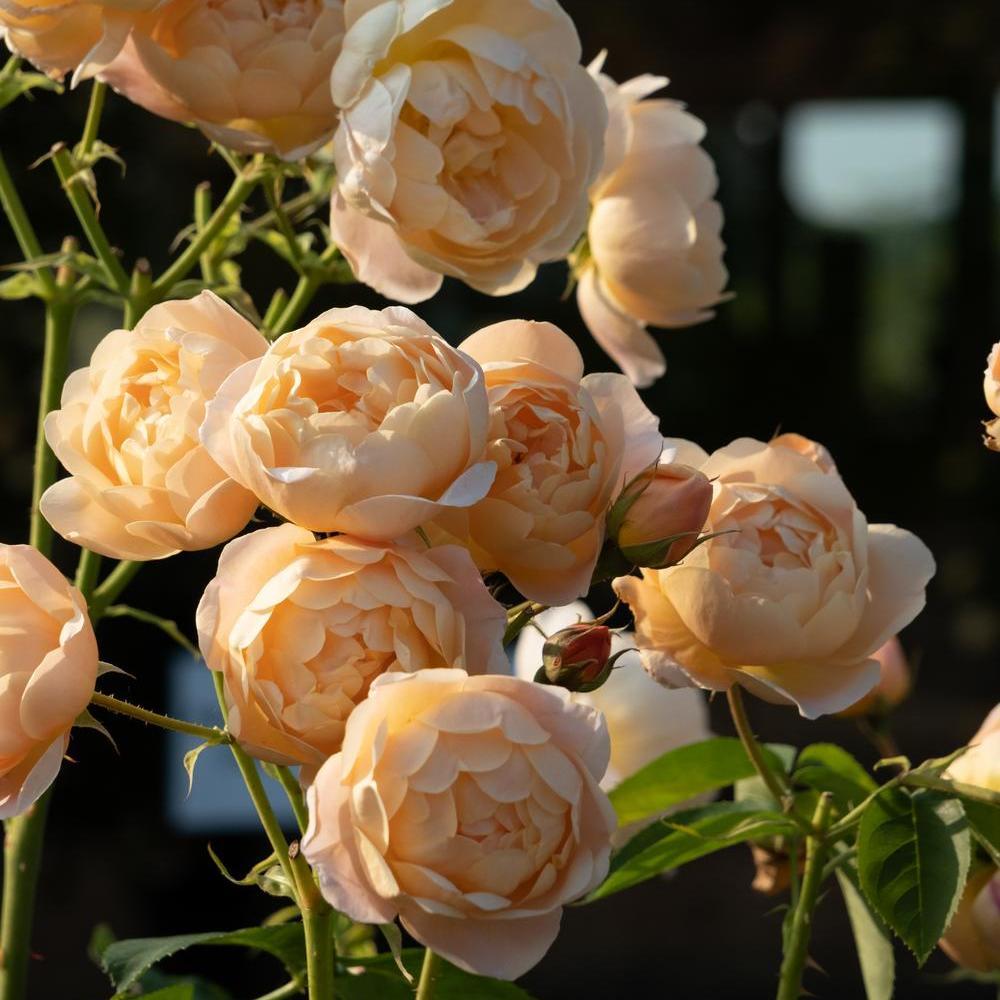
-
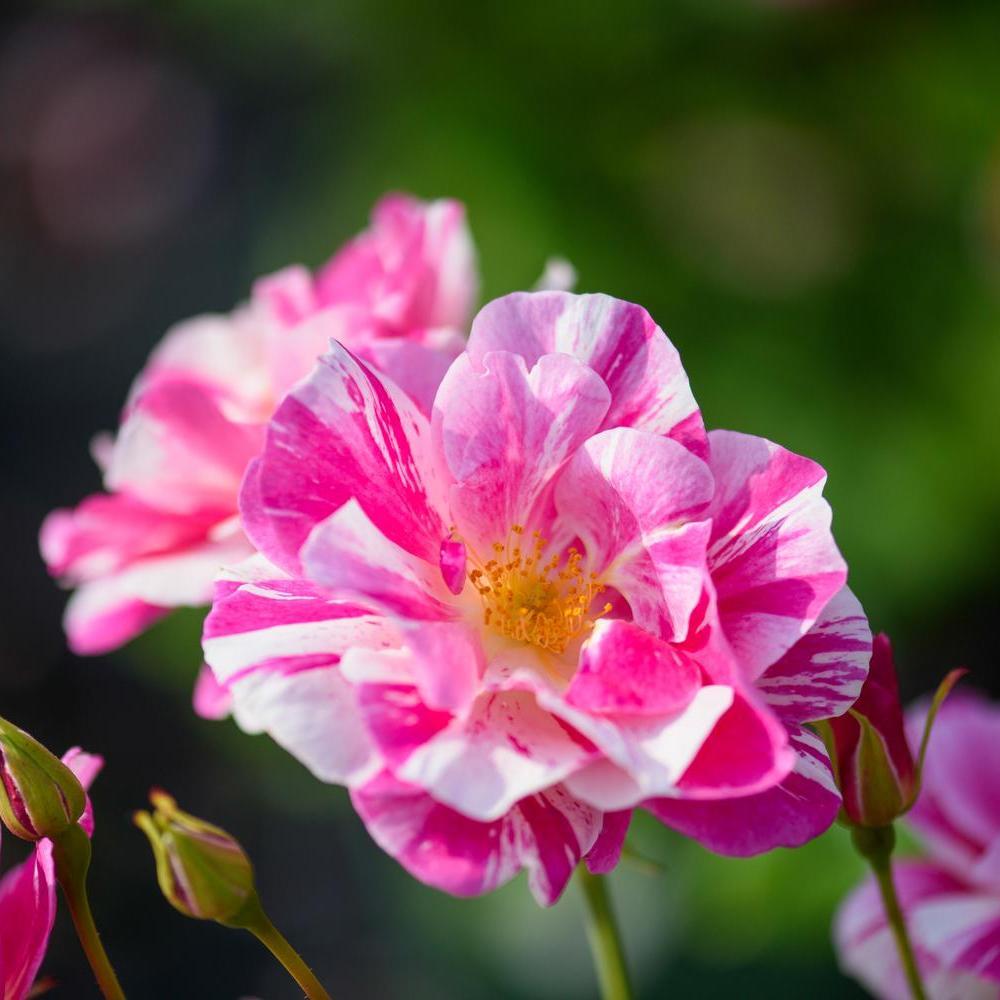
The Basics of Growing RosesRoses bring a quiet happiness to a garden. Their beauty feels effortless once they are settled, and even a new gardener can grow them with success. With sunlight, sound soil, and a little seasonal care, roses will flower generously and become dependable companions through the year.

-
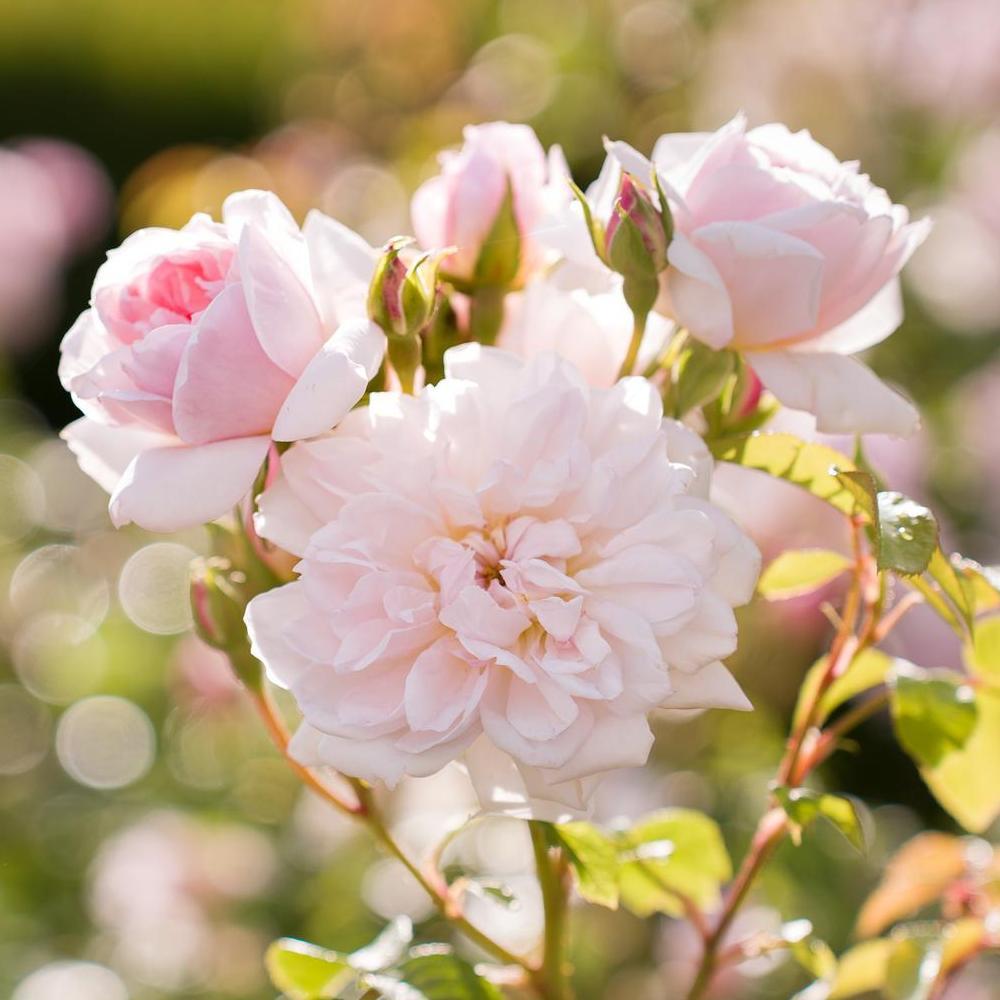
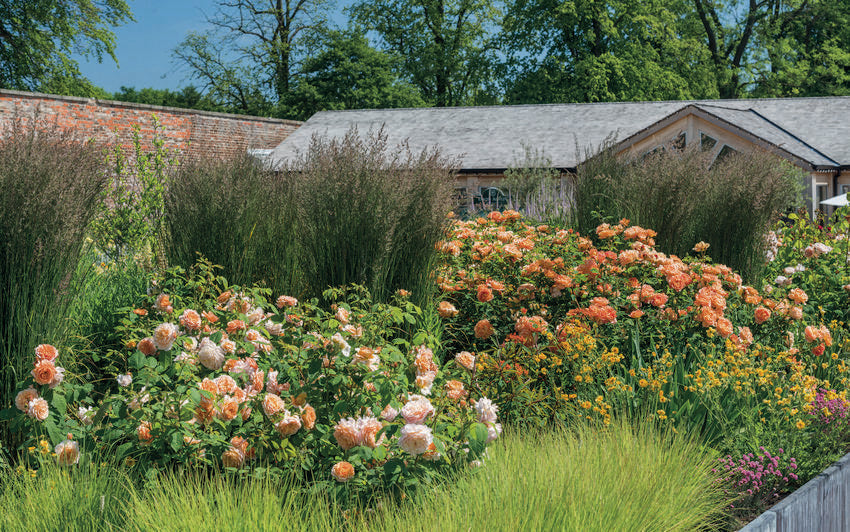
Drifts of Colour Planting English roses in threes, fives or moreWhen it comes to creating an interesting and harmonious garden, the way you arrange your plants can make all the difference. English roses, with their exquisite forms and captivating fragrances, are the perfect example. Planting them in clusters of three, five or more, particularly when you choose the same variety, is one of the simplest and most effective ways to bring both balance and character to your outdoor space.
-
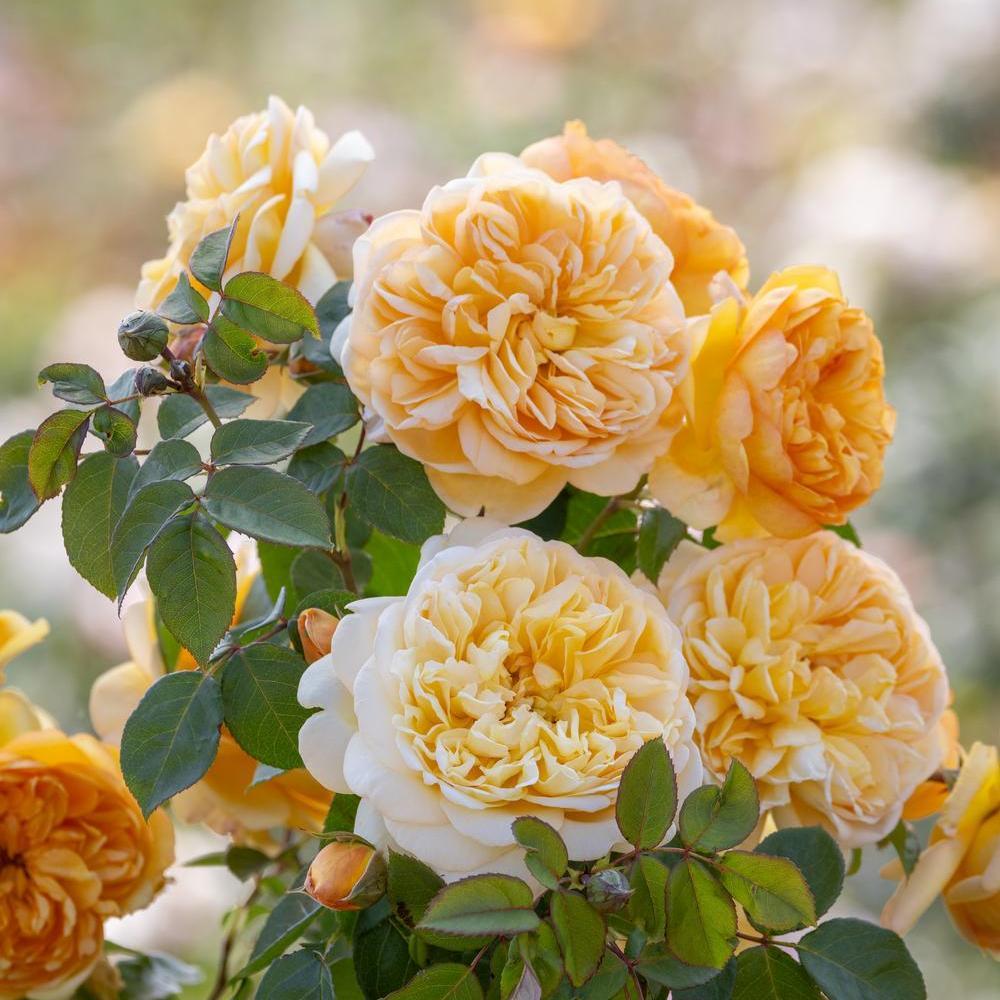
Planting Bare Root Roses: Step-by-Step for Garden and PotsBare root roses arrive simply, as stems and roots, quietly waiting for the garden to bring them to life. With care, they can transform into lush, flowering plants, filling a garden with colour, fragrance, and presence. Affordable, easy to handle, and a traditional favourite among gardeners, they offer both charm and reward.
-
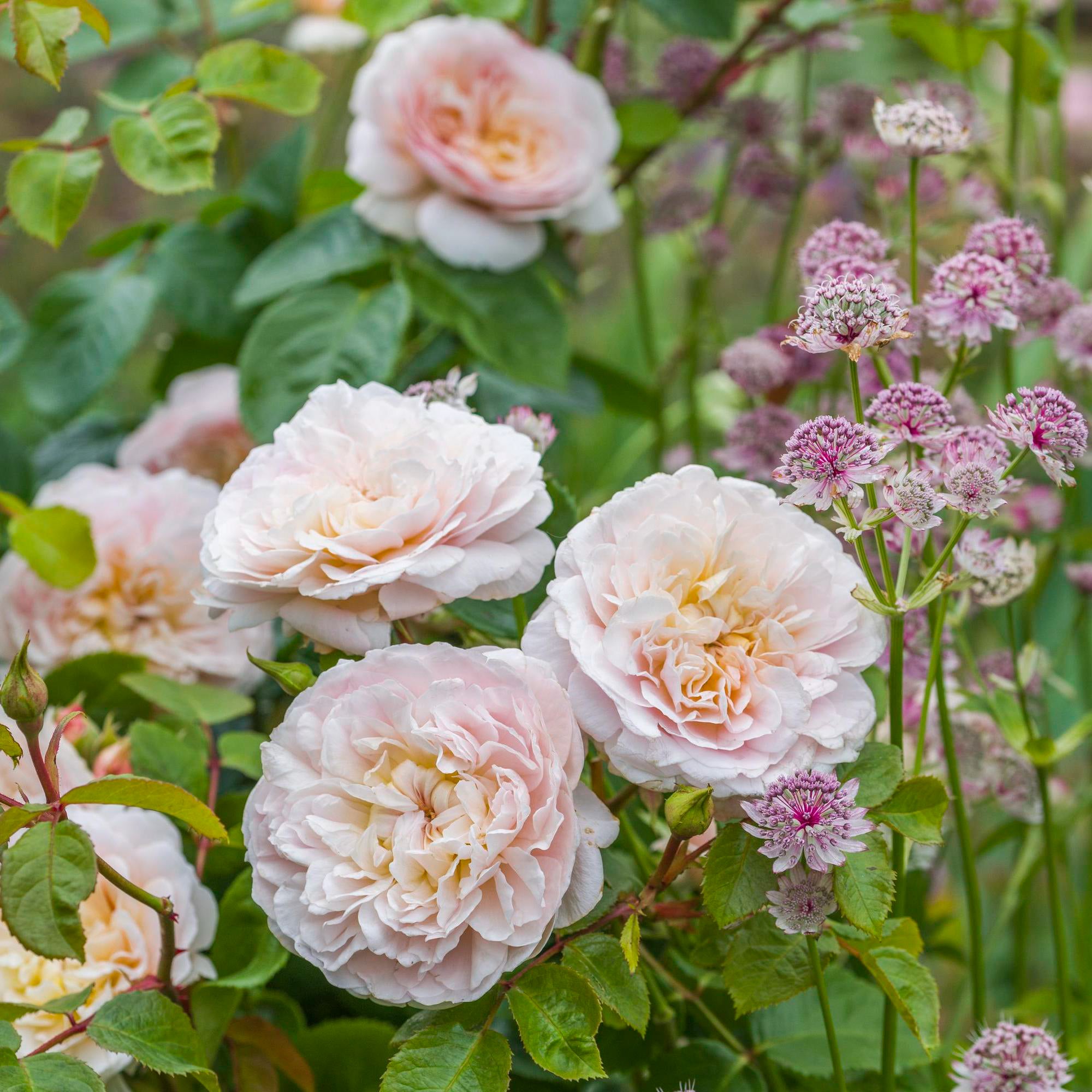
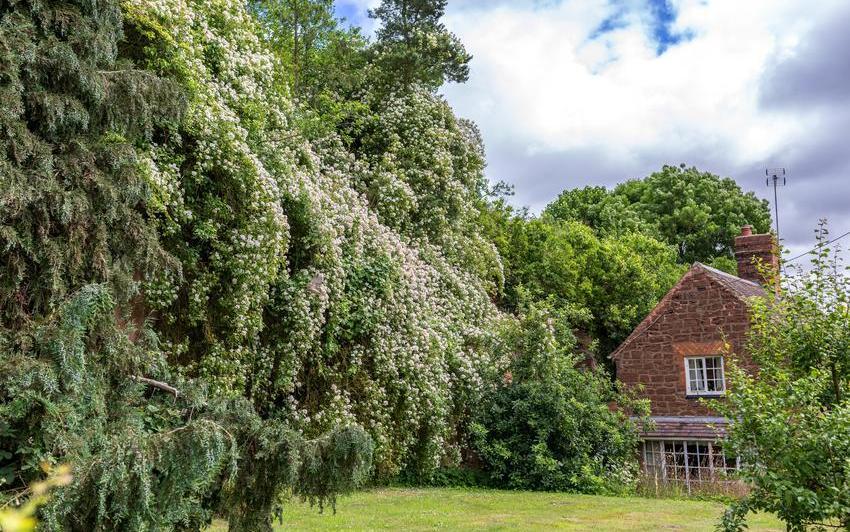
How to Plant and Grow a Rambling Rose Up a TreeRambling Roses have a natural affinity with trees. Their long, vigorous stems can be encouraged upwards into the branches, where they gradually weave through the canopy and open their flowers amongst the leaves. As the rose matures, the effect becomes increasingly natural, with great trusses of bloom appearing high above the ground and tumbling softly from the branches..
-
Liquid error (snippets/image line 25): invalid url input

