


Shaping and Pruning Roses to Flower from Base to Tip
Roses naturally put most of their energy into the tips of their stems, which can lead to flowers mainly at the top of the plant.
With the right pruning and shaping, you can encourage fresh growth and blooms all the way from the base up.
By guiding the structure of the rose and cutting with intention, you help spread flowering evenly through the plant, keeping it healthy, balanced, and generously in bloom.
Start by Understanding Your Rose
Roses grow in different ways, and noticing their natural habit makes pruning far easier. Working with the plant’s natural shape will always bring the best results.
-
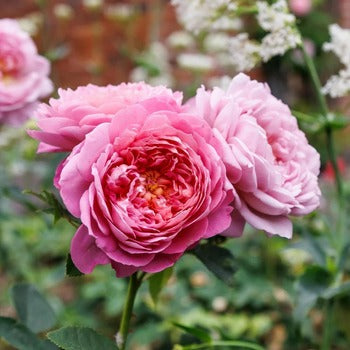
 Shrub roses tend to form rounded, bushy plants that benefit from being kept open and well balanced.Discover English shrub roses
 -
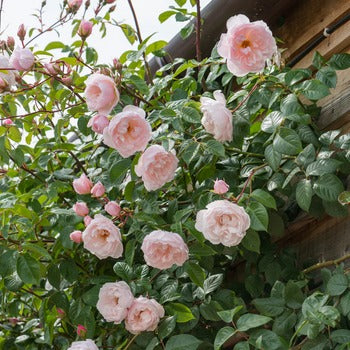
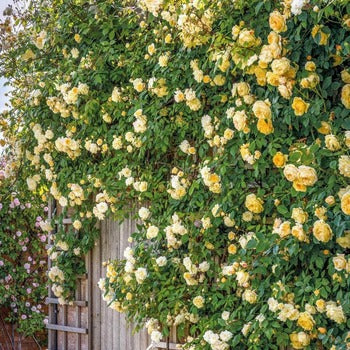
 Climbing roses send out long, flexible stems and flower best when those stems are spread out rather than left upright.Discover English climbing roses


Shaping Shrub Roses
Before cutting, think about the space your rose fills and the height you’d like it to reach.


Adjusting for Where Your Rose Grows
Against a Wall:
If your rose is planted against a wall, prune the back stems lightly (around a third) and the front stems more severely (around a half). This creates a gentle slope, allowing light and air to reach all parts of the plant.
In Pots or Containers:
For potted roses, trim the middle of the plant by a third and the edges by half. This helps create a rounded, balanced appearance that enhances the rose’s shape from all angles.
For Group Plantings or Undulating Shapes
When planting roses in groups or aiming for a more natural, flowing look, adjust your pruning to encourage a softer, undulating shape. You can prune more selectively, keeping the growth flowing and balanced.

Shaping Climbing Roses
Climbing roses bloom far more freely when their long stems are trained horizontally.
Gently fan the canes across walls, fences, or arches and secure them loosely with soft ties. This encourages flowering shoots to grow all along each stem, rather than only at the tips.
Stagger Your Cuts for Even Blooms
To get blooms from the base to the top of the climbing rose, stagger your cuts at different heights:
Low Level:
Trim some stems back to about 20" to encourage fresh growth at the bottom.
Mid-Level:
Leave a few stems around 1 metre to promote blooms in the middle.
High Level: Keep other stems at about 1.5 metres for flowers at the top.
This technique helps the plant focus its energy evenly, producing flowers at various levels. By training the stems and pruning this way, you will get a rose that blooms from top to bottom, creating a beautiful cascade of flowers.
Why Staggered Pruning Works
Pruning at different heights mimics how roses grow naturally, encouraging flowers at every level. By fanning out the stems and cutting at varying heights, you will get a rose that looks full, balanced, and brimming with blooms.
A Simple Routine with Big Rewards
By shaping shrub roses carefully and fanning out climbing roses with intention, you’ll encourage strong growth and generous flowering year after year.
A little time spent pruning brings roses that look natural, healthy, and beautifully in bloom from base to tip.




-
How to Prune English Roses in Pots and ContainersAn English Rose in a container is one of the garden’s greatest luxuries. Whether placed beside a front door, on a terrace, or nestled into a paved courtyard, a potted rose brings perfume and flower close at hand, not at a distance, but right where it can be enjoyed daily.

-
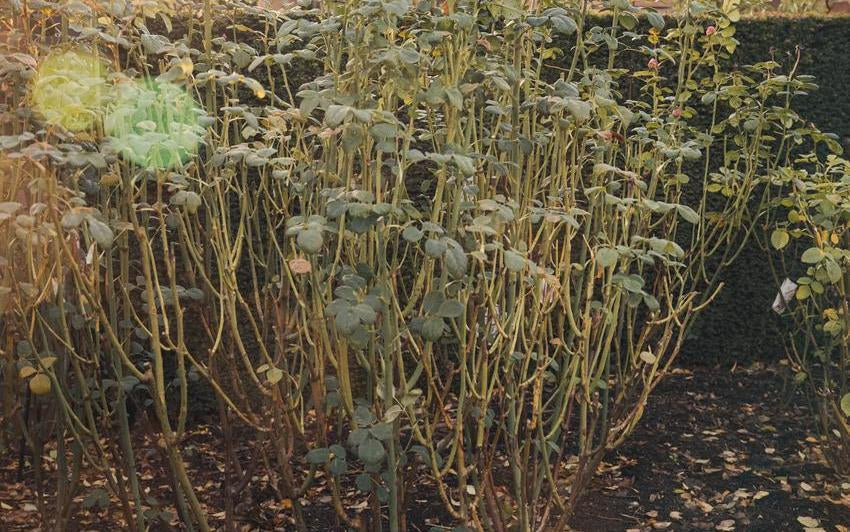
How to Prune Repeat Flowering Shrub RosesIn winter, the garden shows its bones. Beds are quieter, borders are pared back, and shrubs stand in their true shape. Roses too reveal themselves at this time of year, and although it may seem as though little is happening, the plant is already preparing for the season to come.
-
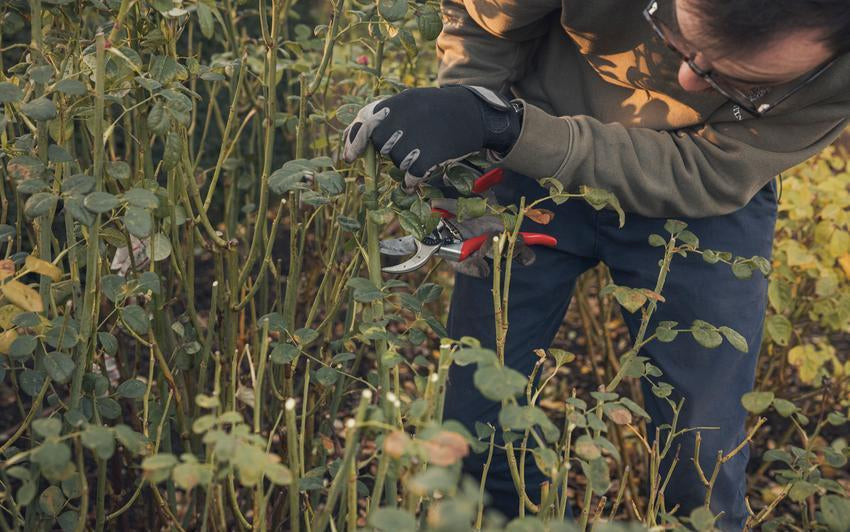
Pruning Roses: A Guide for the Season AheadPruning is one of the most rewarding jobs you can do for your roses. It brings shape and structure to the plant, refreshes it for the season ahead, and helps encourage a generous display of flowers.
-
How to Prune Repeat Flowering Climbing and Rambling RosesClimbing and rambling roses are among the most rewarding roses to grow. Given a support and a little guidance, they quickly become generous plants, covering walls, arches and structures with leafy growth and repeat flowers across the season.

-
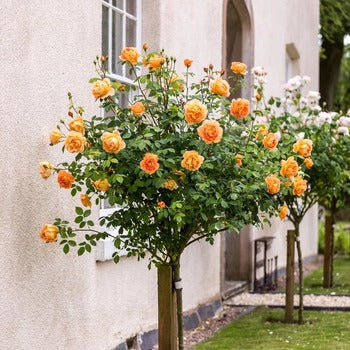
How to Prune a Standard Tree RoseStandard Tree Roses bring a particular elegance to the garden. Their blooms are held aloft, turning borders and containers into something more structured and refined. Because the flowering head sits high above the ground, its outline becomes part of the garden’s architecture, which makes pruning especially important.


