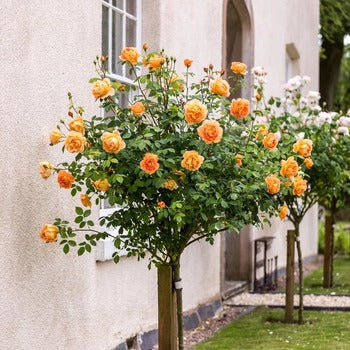

Emily Brontë in the Garden
The moors shaped Emily Brontë long before she shaped words. Wind, wide skies, and the steady presence of nature formed the rhythm of her days, and that rhythm lives on in everything she wrote. Emily Brontë did not observe the landscape from a distance. She belonged to it.


In Wuthering Heights, weather moves like emotion, and the earth itself feels alive. It is no surprise that a rose bearing her name carries a similar spirit. Quiet on first glance, yet full of depth once you linger.
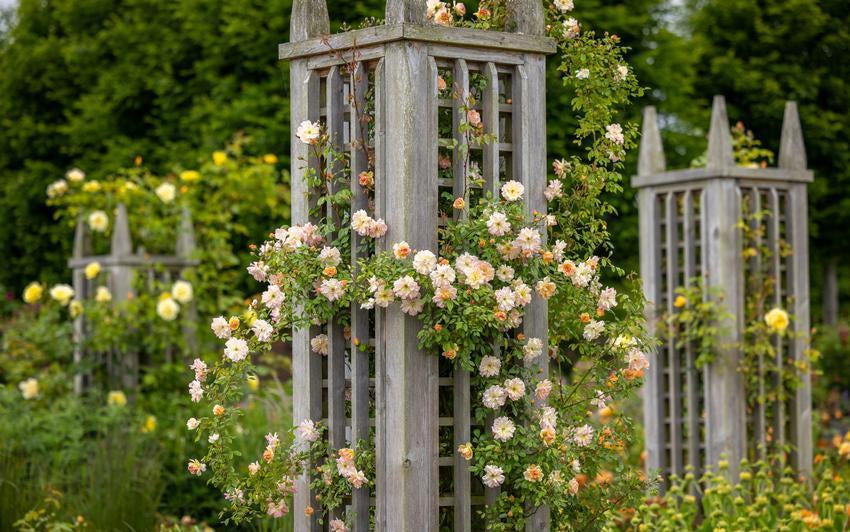
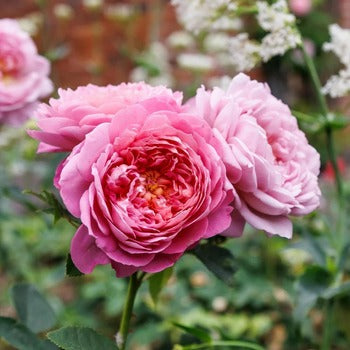
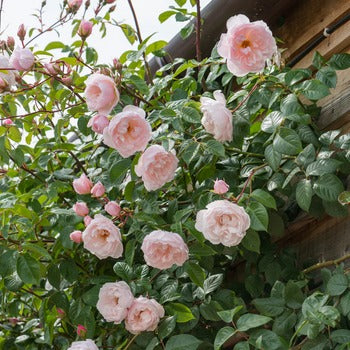
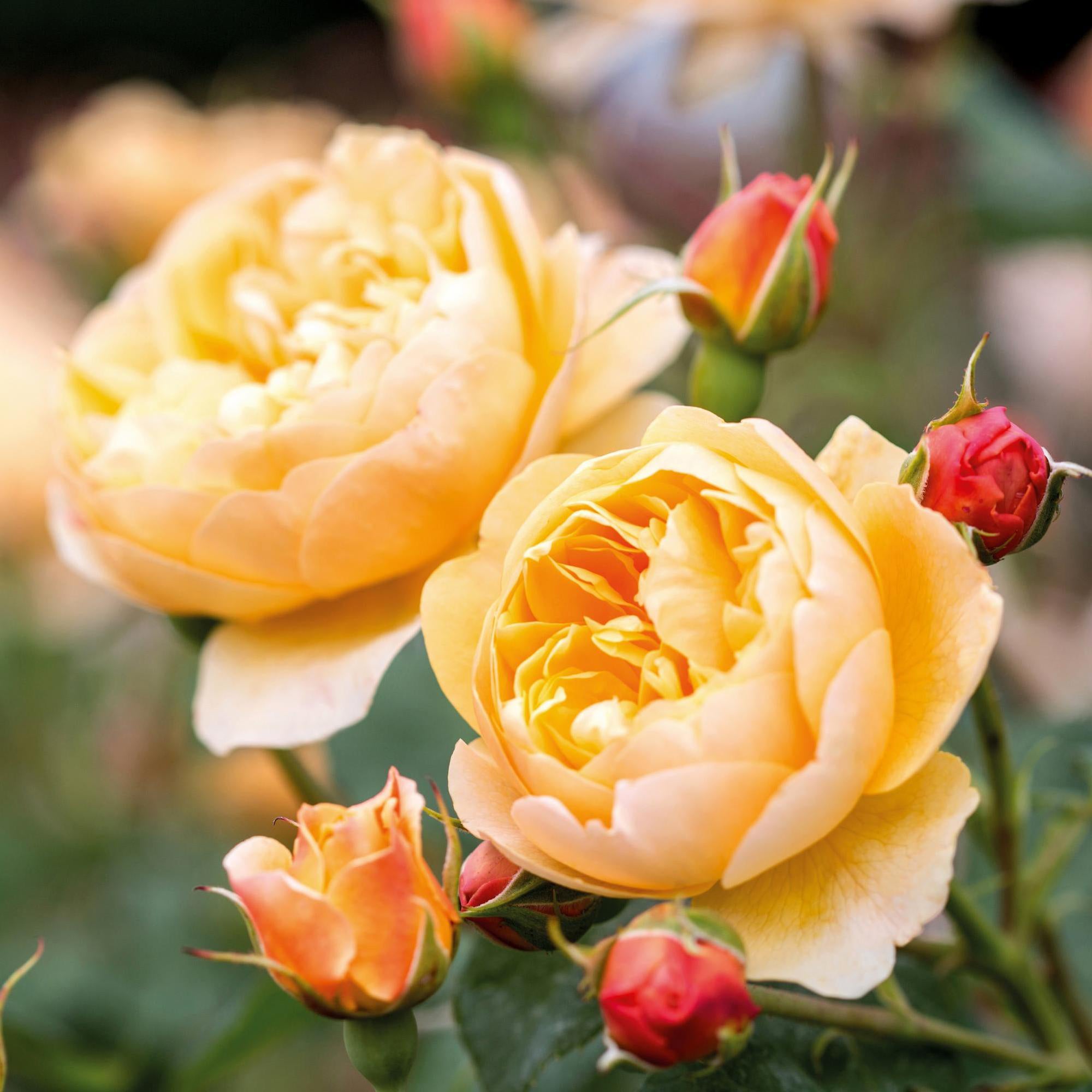
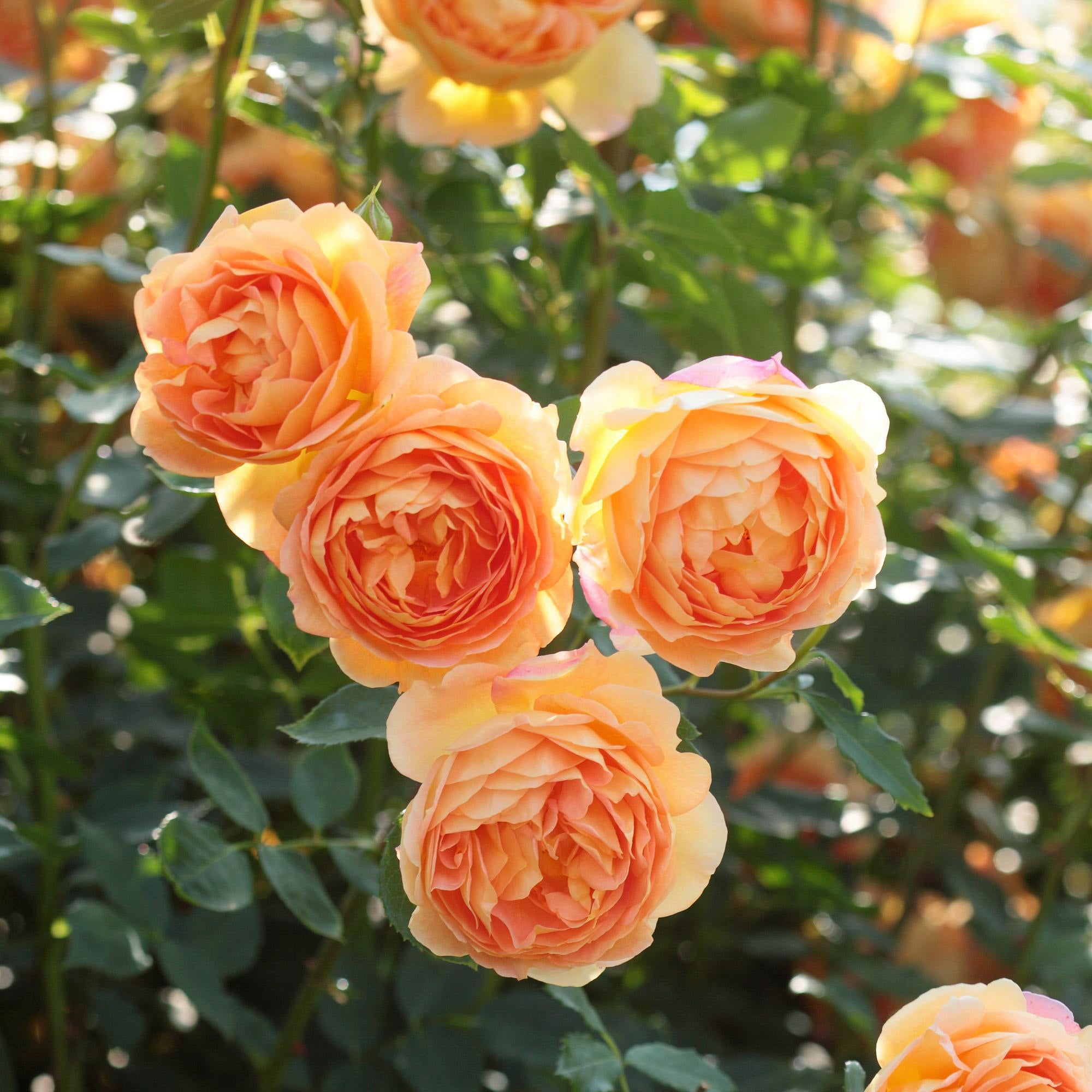
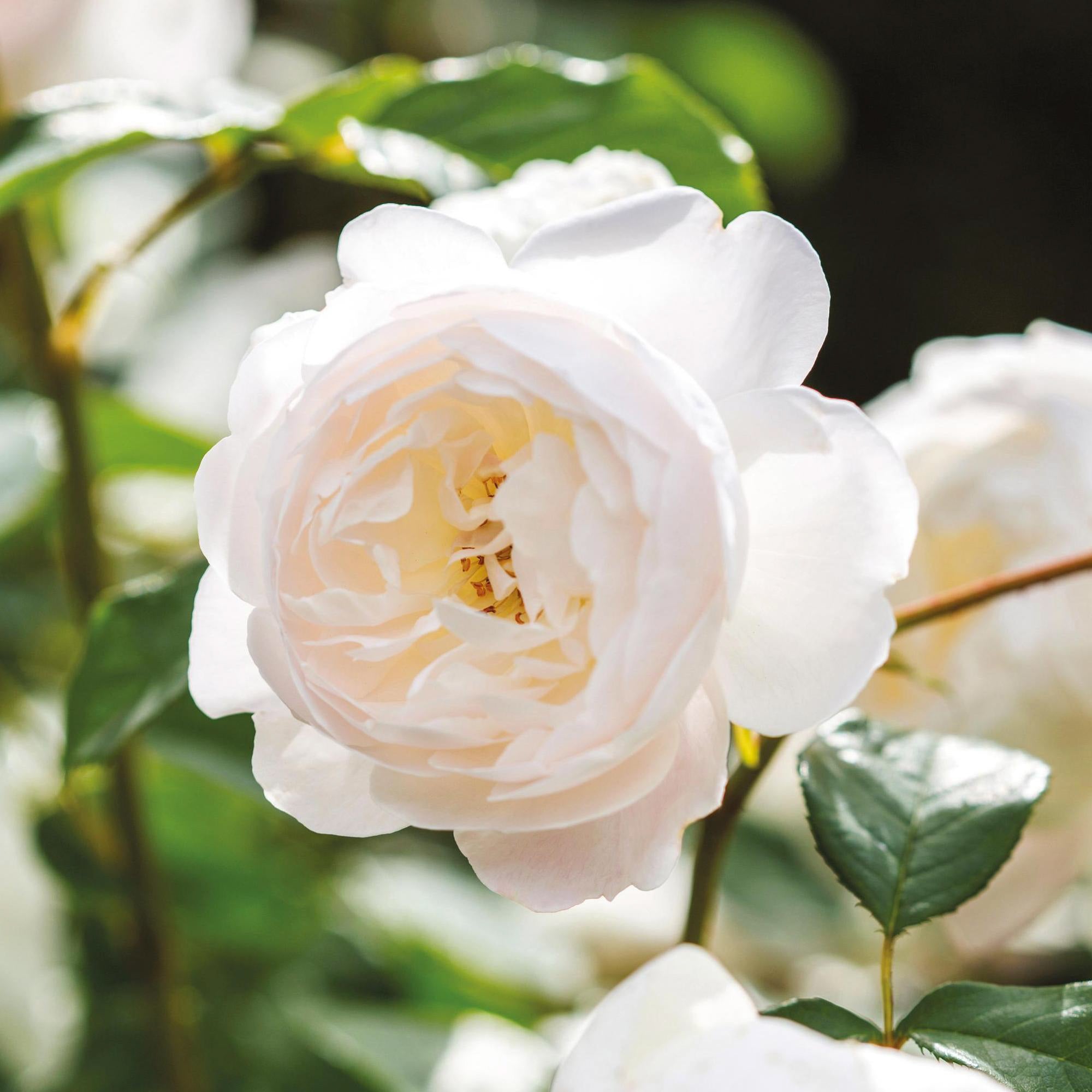
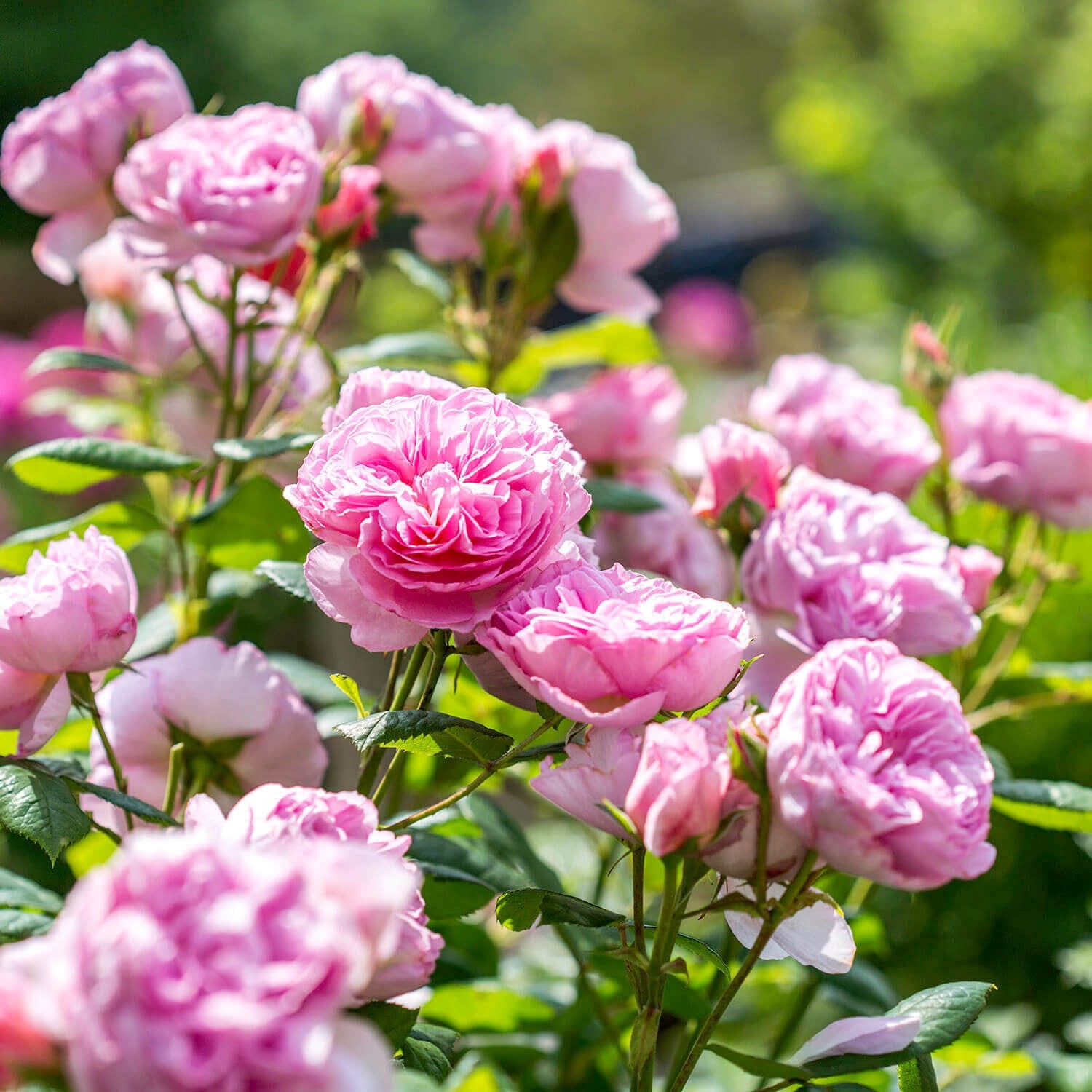
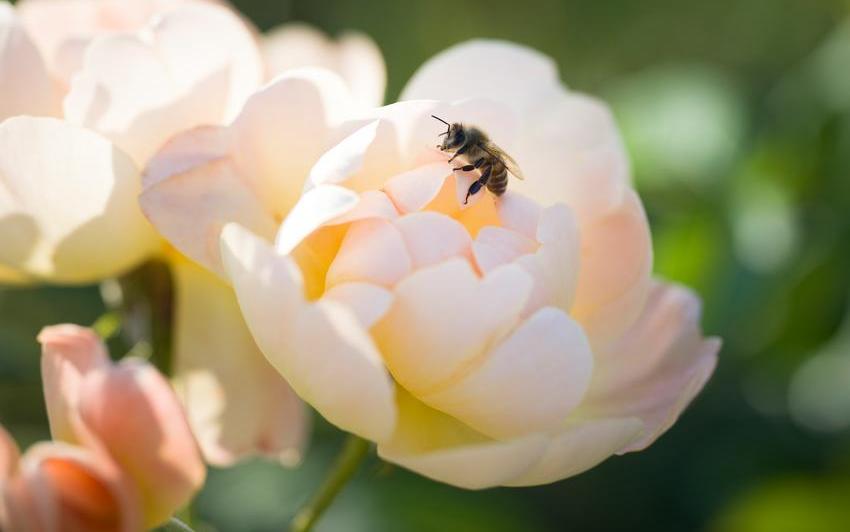
Its blooms open wide and calm, softly blushed at the edges, warming toward apricot and cream at the centre. The colouring feels naturally at home in a British garden, especially where light changes through the day. Morning brings freshness, evening brings warmth, and the flowers seem to shift gently between the two.


This is a rose that settles beautifully into thoughtful planting schemes. Thread it among soft grasses for a meadow-like ease, where movement mirrors the openness of the moors. Let it rise through lavender, nepeta, or pale salvias for a border that hums gently with life. It also shines in a traditional rose garden, where its delicate tones bring light among deeper colours.
The fragrance drifts rather than declares itself. Notes of old rose with a bright lift of citrus feel clean and fresh, especially after rain. It is the sort of scent that rewards lingering.


Emily once wrote,
“Every leaf speaks bliss to me, fluttering from the autumn tree.”
(from her poem “Fall, leaves, fall”)
That quiet attentiveness to nature feels perfectly at home beside this rose. A bud unfurling. A bee resting. Light warming soft petals.
Though its appearance is gentle, its character is strong. It forms a neat, healthy shrub and flowers generously through the season, returning faithfully with fresh bloom. It suits gardens large and small, from wide borders to intimate cottage plots.
Another of Emily’s lines seems to echo its resilience:
“No coward soul is mine.”
(from her poem “No Coward Soul Is Mine”)
And there is nothing timid about this rose. It endures, thrives, and gives generously.
To plant Emily Brontë® is to weave a thread of literary heritage into the garden. A meeting of wild landscape and careful cultivation. It brings not just colour and scent, but atmosphere, story, and a sense of place.
And perhaps that is why it stays with you.
Not loud.
Not fleeting.
Simply present, season after season.
For gardeners who value beauty with depth, history with heart, Emily Brontë offers something quietly special. A rose that feels as though it has always belonged, waiting patiently to be grown and loved.
-
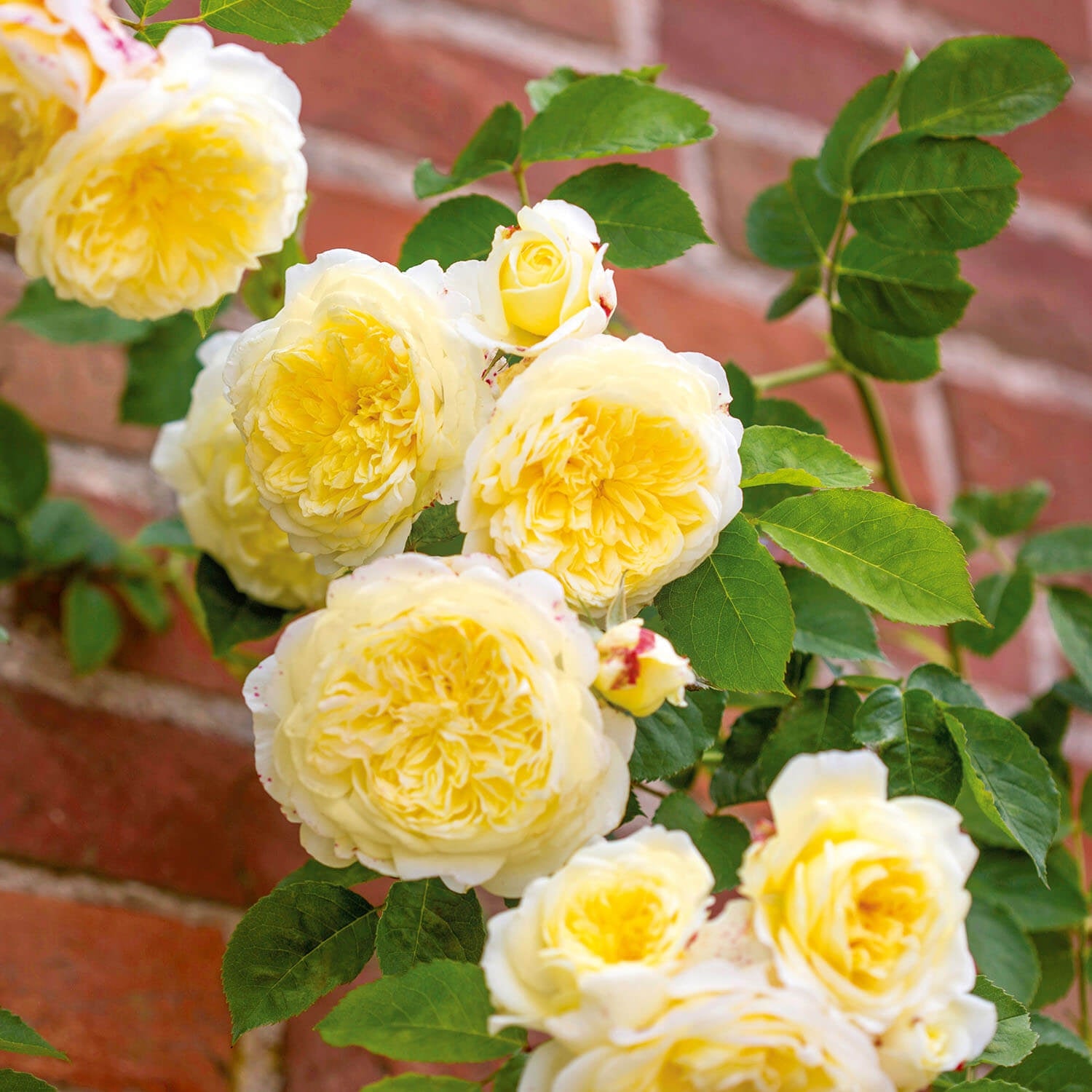
Wind-Swept Charm: English Roses for Exposed LocationsGardens high on hills, offer breathtaking views, but the combination of wind, cold winters, and shorter growing seasons can make growing roses a challenge. With careful selection and planting, even these exposed gardens can thrive with elegant, fragrant blooms.
-
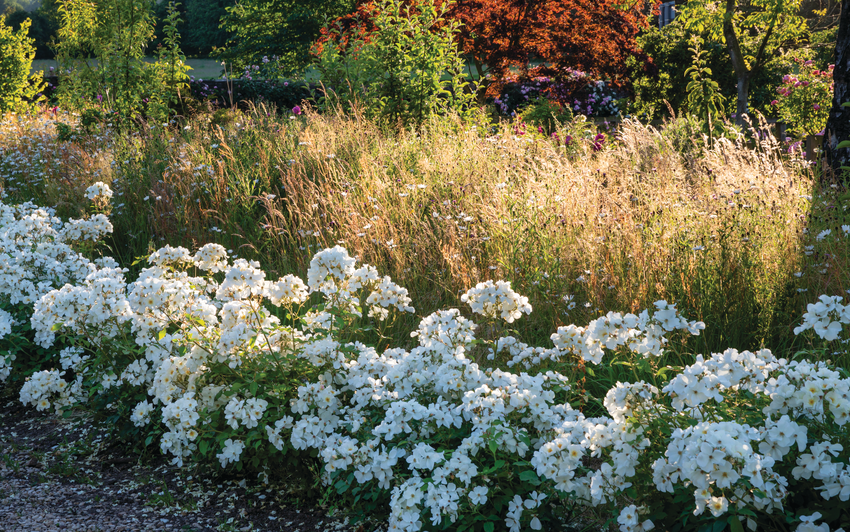
David Austin Roses' Literary Collection of English Roses
-
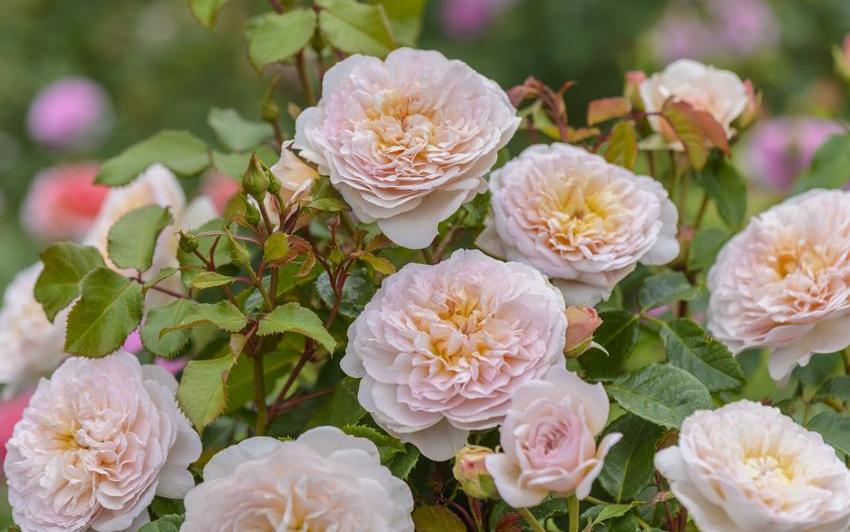
Penelope Lively (Ausb18a15): A Rose for a StorytellerSome roses seem to hold a story in their petals, and Rosa Penelope Lively is one of them. Named for the much-loved writer, this English Shrub Rose carries both elegance and quiet depth, a living tribute to a voice that has shaped contemporary literature.
-
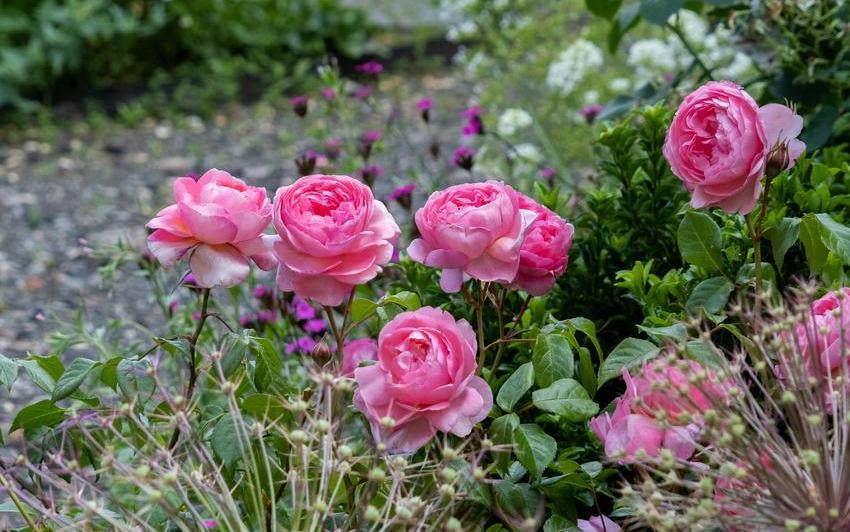
The Rose Year BeginsFall brings a distinct richness that invites us to slow down and notice the changes. Leaves turn shades of amber and gold, while the lower, softer light catches the borders in the late afternoon. As cooler mornings bring heavy dew and that unmistakable, earthy scent of damp soil, the garden gradually settles down for the season.

-
Roses with Large Blooms: Varieties for Garden ImpactA rose in full flower can transform a garden. Large, many-petalled blooms draw the eye through a border, bring colour to a quiet corner or create a beautiful focal point when grown in a pot.

-
Best Fragrant Roses for Autumn: Scent and Colour Beyond SummerThe fragrance of a rose is never quite fixed. Temperature, humidity, time of day and even the stage of the flower can all influence how its scent is released and experienced. As the warmth of summer begins to soften into autumn, cooler mornings and greater moisture in the air create different conditions for fragrance, and a familiar rose can reveal itself in a rather different way.

-
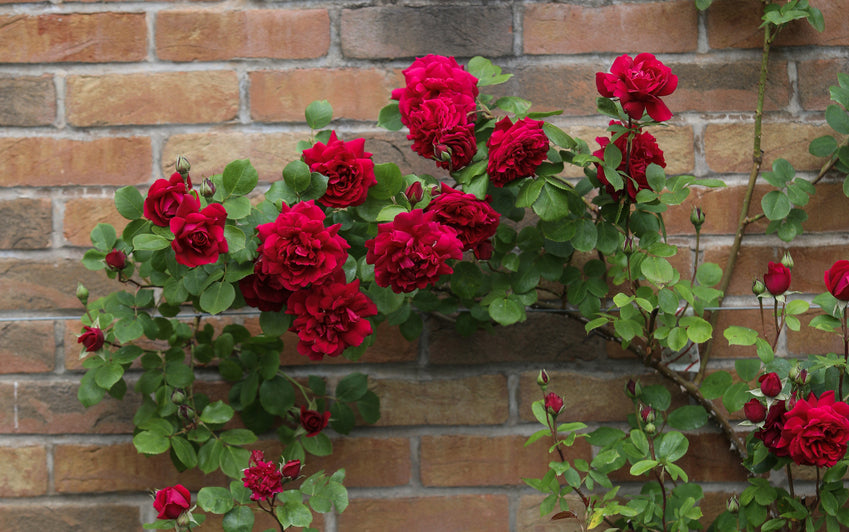
Using Red Roses to Bring Richness and Depth to the GardenA red rose has a wonderfully compelling presence in the garden. Amongst a sea of green, even a glimpse of crimson catches the eye, drawing you closer for another look. Red can sometimes have a reputation for being difficult to use, particularly alongside softer colours. Yet the palette is far more varied than we might first imagine. From clear crimson to deep, velvety tones, red roses can bring warmth, richness and depth to a garden without overwhelming it.
-
Roses for the Last Night of the PromsThere are few evenings quite like the Last Night of the Proms. Familiar melodies fill the Royal Albert Hall, the audience joins in and music heard and loved for generations is given fresh life once more. This year’s programme got us thinking about the curious connections between music, stories and the names of some of our roses. From Elgar and the Malvern Hills to Britain’s long relationship with the sea, each offers a thread to follow from the concert hall into the garden.
-
Climbing Roses for Arches, Obelisks and PillarsThere is always room for another rose. When borders are full, the answer is often simply to look upwards. Climbing roses can transform arches, obelisks and pillars into wonderfully abundant garden features, bringing flowers and fragrance to eye level and above. They can tumble over an entrance, rise from the middle of a border or soften a simple post with foliage and bloom. And, with the right rose and a little thoughtful training, they need surprisingly little ground space to make quite an impression.