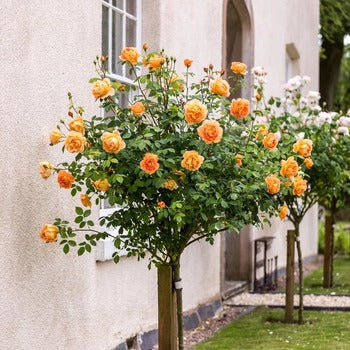


The First Roses to Flower
There is a brief, suspended moment each year just before the garden fully awakens. The light begins to soften, the days stretch out, and the air carries a new weight - as though the landscape is holding its breath. Here at David Austin®, it is in the Species Garden that this tension finally breaks, and the season begins to unfold.
A World Apart
Tucked away from the structured elegance of the main displays, the Species Garden possesses a character all its own. It feels looser, more instinctive - less a planned collection and more a place that has simply settled into the earth over time.
These are the wild roses, existing close to their ancient origins. Their growth is light, their branches following natural arcs rather than formal lines. Their flowers are refreshingly simple: often just a single layer of petals gathered around a crown of golden stamens. There is no excess here - only a quiet, honest beauty.
It is in this sanctuary that the year’s first colour appears:
- Canary Bird (Rosa xanthina var. spontanea): Often the first to stir, its soft yellow blooms catch the year's earliest warmth, glowing brightly against fresh, apple-green foliage.
- Rosa ‘Hidcote Gold’: Not far behind, it carries a similar radiance - a gentle, buttery warmth that feels perfectly at home in the pale spring light.
- Rosa anemone: Fleeting and delicate, its open faces act as a beacon for the season’s first bees, offering a simple and inviting welcome.
- Rosa rugosa: Grounded and resilient, its crinkled leaves and sturdy blooms suggest a plant shaped by the elements, comfortable in the wind and weather.
- Rosa sericea pteracantha: While its small flowers are brief, it is the thorns that command attention. Translucent and ruby-red, they catch the low morning light like stained glass.
These are not roses that linger. They bloom once with a quiet abundance and then gracefully recede, leaving behind a legacy of decorative hips, architectural foliage, and a strong winter silhouette.
The Breath Before the Song
There is a rare magic in this early window. The garden is still finding its pace; the borders are only just beginning to knit together. In the space between plants, there is a sense of anticipation that hasn't yet reached its peak.
Because these early displays aren't a loud, dramatic spectacle, they invite you to slow down. You find yourself leaning in to notice the small shifts: the way light filters through a single petal or the quiet hum of activity around a lone bloom. It feels like the garden drawing its very first breath.
The Changing Tide
As these pioneers begin to fade, the garden transforms almost imperceptibly. Elsewhere, the English Roses are stirring. Many begin earlier than one might expect, and once they start, they settle into a steady, rhythmic pulse that lasts until the first frosts.
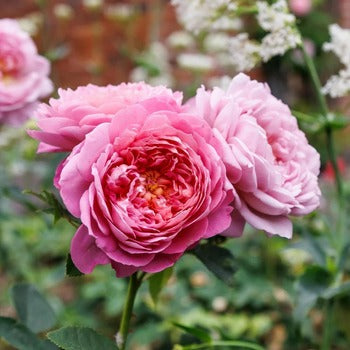
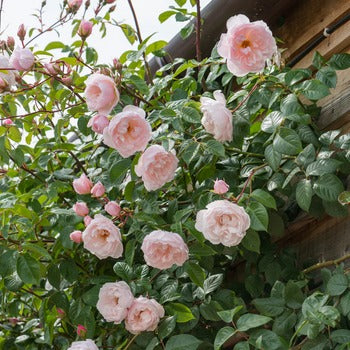
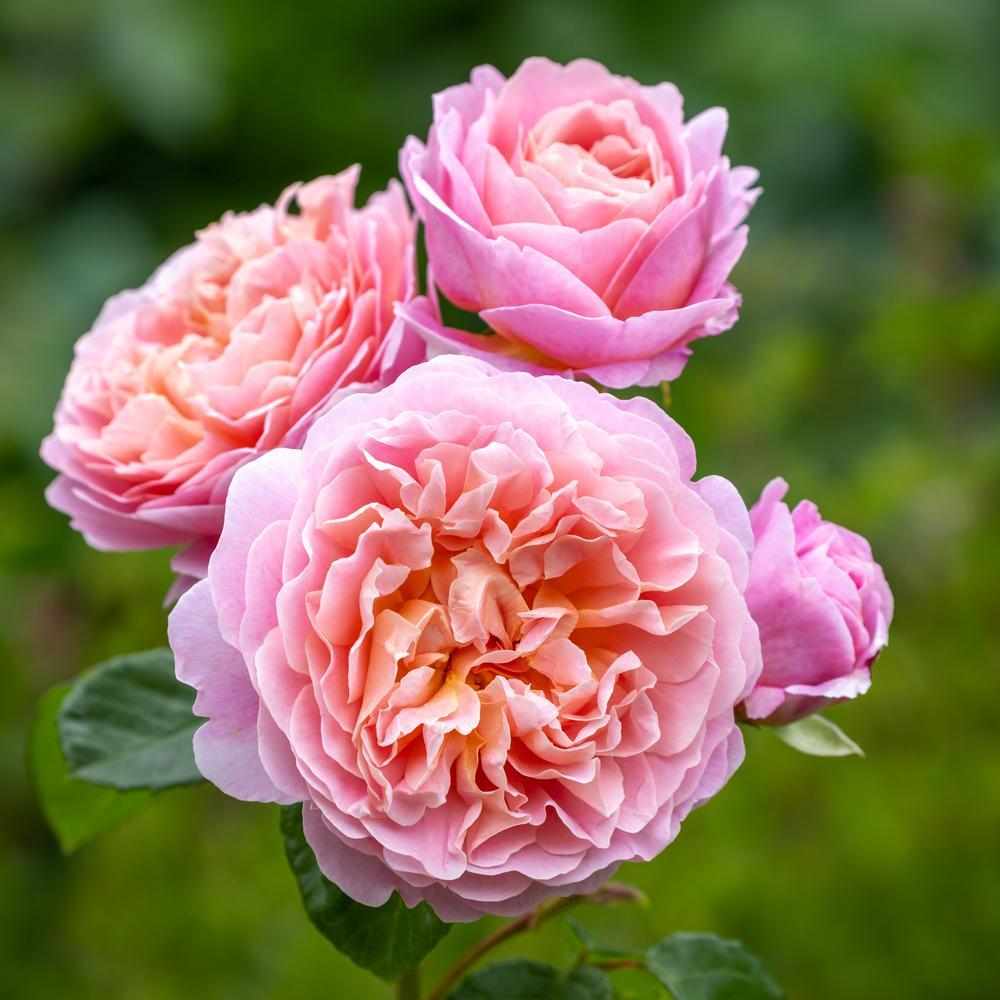
The climbing Gertrude Jekyll® is often the first to bridge the gap, its richly scented, full-bodied blooms adding a new depth to the air. Olivia Rose Austin® follows with effortless grace, its soft pink flowers opening freely and reliably.
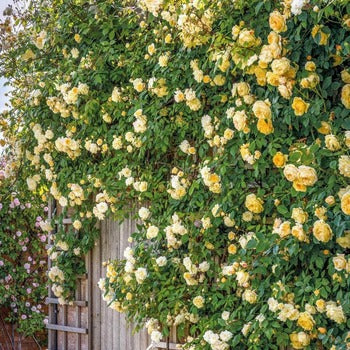
Between these two worlds sits Wild Edric®. It carries the soul of a wild rose in its open character and growth yet shares the persistence of the English Roses - returning again and again as the summer deepens, a perfect link between the garden’s quiet beginning and its midsummer height.
A Natural Rhythm
To walk through the gardens now is to step into a quiet, unfolding rhythm.
The wild roses begin the story - light, fleeting, and bright with simplicity. Then come the English Roses, building a slow crescendo, returning again to deepen the garden’s character as summer settles in.
Nothing here feels forced. One season does not displace the last; they simply follow on, each arrival adding a new layer of memory to the landscape.
The First Blooms
There is a particular magic in the year's first roses.
They aren’t the most abundant or the showiest, but they arrive when the air still feels full of possibility. Because the garden hasn't yet reached its midsummer height, there is a rare stillness - a dedicated space for every individual flower to be seen.
In the Species Garden, these first blooms appear without fanfare. They don’t demand your attention; instead, they wait to be discovered. Perhaps that is why they linger in the mind long after the more boisterous blooms have faded - they require us to slow down and truly look.

The David Austin Rose Gardens
Nestled in the Shropshire countryside, our six beautifully themed rose gardens are home to the National Collection of English Roses, and are free for all to enjoy.
-
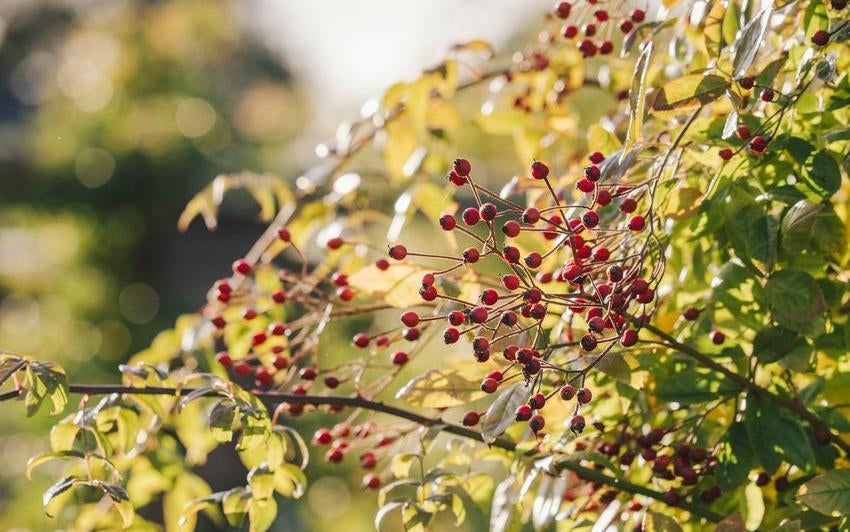
Wild Rose Hips in Winter: Reading the Plants Behind ThemWinter has a way of showing roses as they really are. With the leaves down and the flowers long gone, the plants stand in their most open, honest form. This is when the hips become noticeable. On wild species roses, these fruits are not just a seasonal leftover. They are small clues about the landscapes that shaped each plant. If you look closely, they reveal far more than you might expect.
-
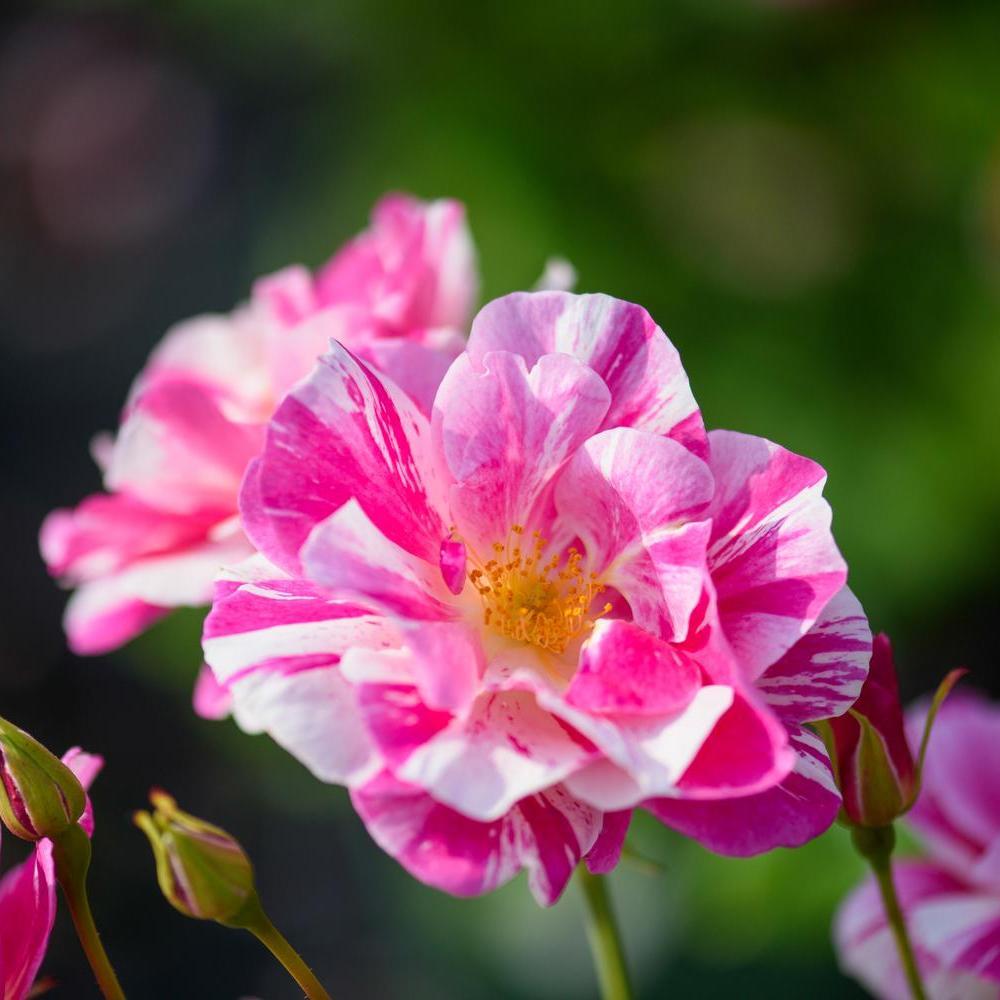
Rosa Gallica Officinalis: The Apothecary’s Rose in Shakespeare’s GardenAs April arrives and gardens begin to stir into life, one flower stands out not only for its vivid beauty but for its rich connection to history, healing, and literature. Rosa gallica officinalis, known as the Apothecary’s Rose, is more than an ornamental bloom. It carries with it centuries of meaning and a deep-rooted place in both horticulture and the poetic imagination.
-
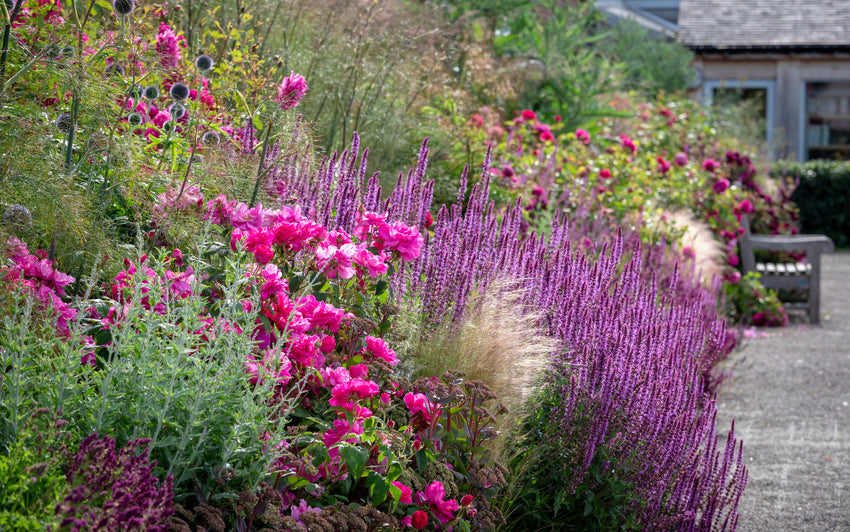
The Rose Year BeginsFall brings a distinct richness that invites us to slow down and notice the changes. Leaves turn shades of amber and gold, while the lower, softer light catches the borders in the late afternoon. As cooler mornings bring heavy dew and that unmistakable, earthy scent of damp soil, the garden gradually settles down for the season.
-
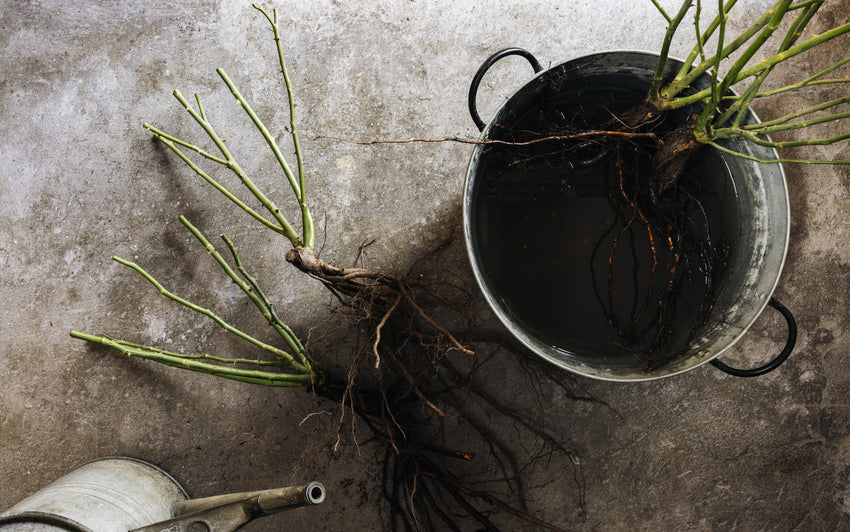
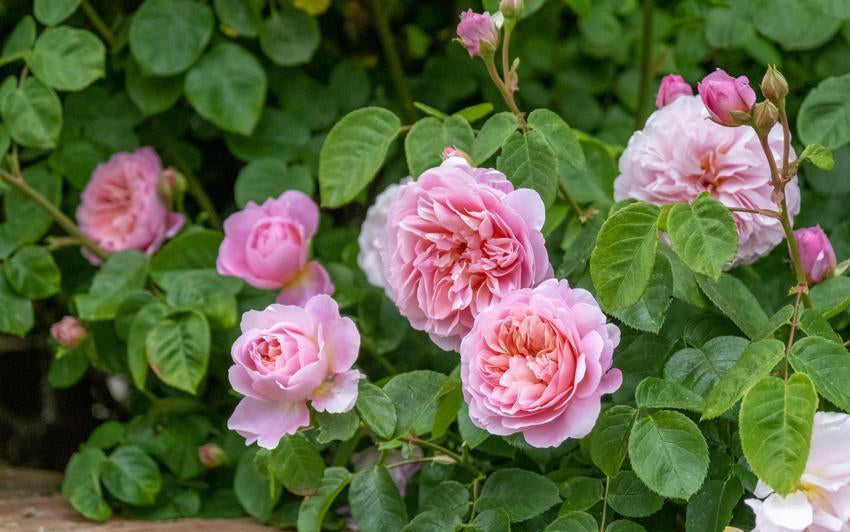
Roses with Large Blooms: Varieties for Garden ImpactA rose in full flower can transform a garden. Large, many-petalled blooms draw the eye through a border, bring colour to a quiet corner or create a beautiful focal point when grown in a pot.
-
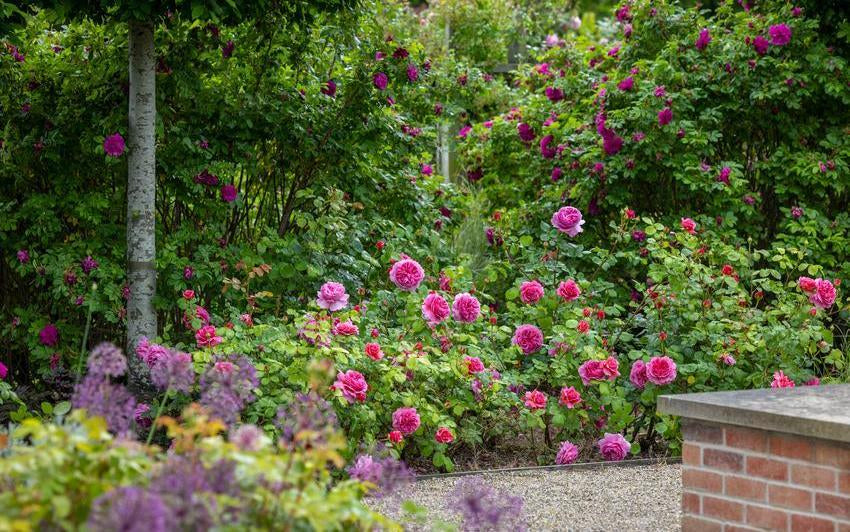
Best Fragrant Roses for Autumn: Scent and Colour Beyond SummerThe fragrance of a rose is never quite fixed. Temperature, humidity, time of day and even the stage of the flower can all influence how its scent is released and experienced. As the warmth of summer begins to soften into autumn, cooler mornings and greater moisture in the air create different conditions for fragrance, and a familiar rose can reveal itself in a rather different way.
-
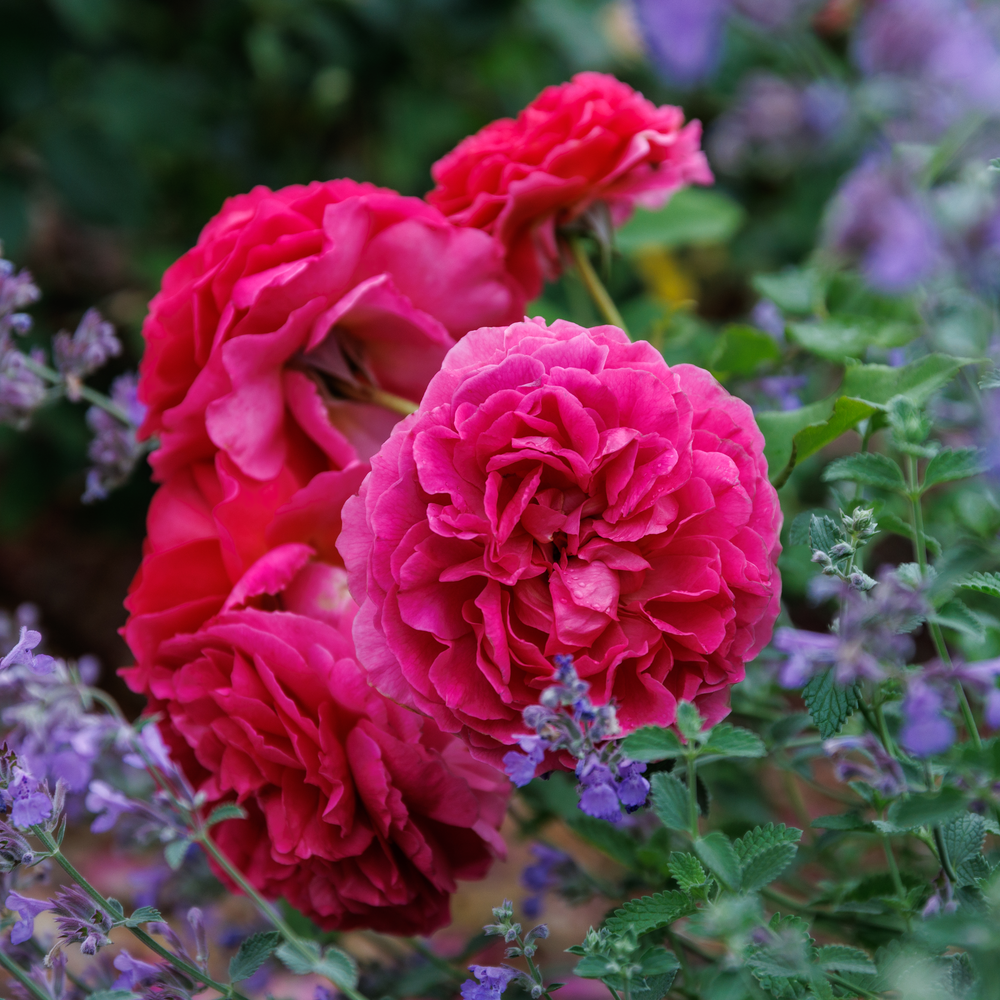
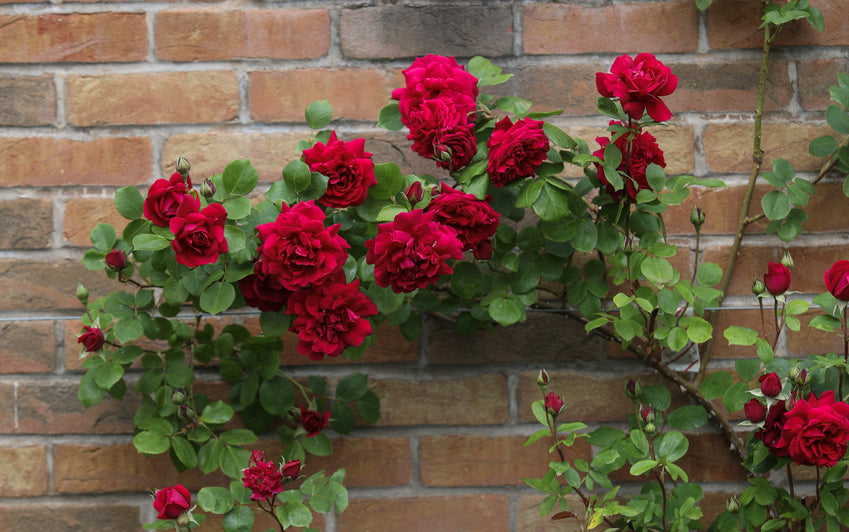
Using Red Roses to Bring Richness and Depth to the GardenA red rose has a wonderfully compelling presence in the garden. Amongst a sea of green, even a glimpse of crimson catches the eye, drawing you closer for another look. Red can sometimes have a reputation for being difficult to use, particularly alongside softer colours. Yet the palette is far more varied than we might first imagine. From clear crimson to deep, velvety tones, red roses can bring warmth, richness and depth to a garden without overwhelming it.
-
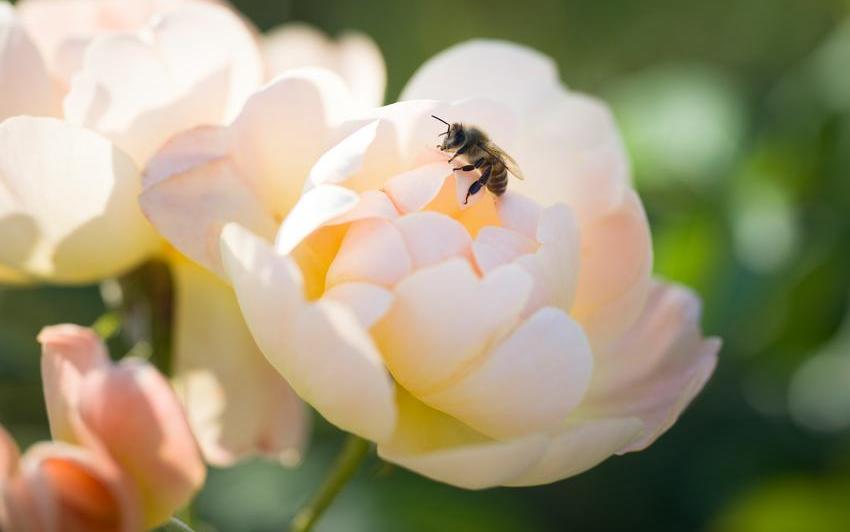
Roses for the Last Night of the PromsThere are few evenings quite like the Last Night of the Proms. Familiar melodies fill the Royal Albert Hall, the audience joins in and music heard and loved for generations is given fresh life once more. This year’s programme got us thinking about the curious connections between music, stories and the names of some of our roses. From Elgar and the Malvern Hills to Britain’s long relationship with the sea, each offers a thread to follow from the concert hall into the garden.
-
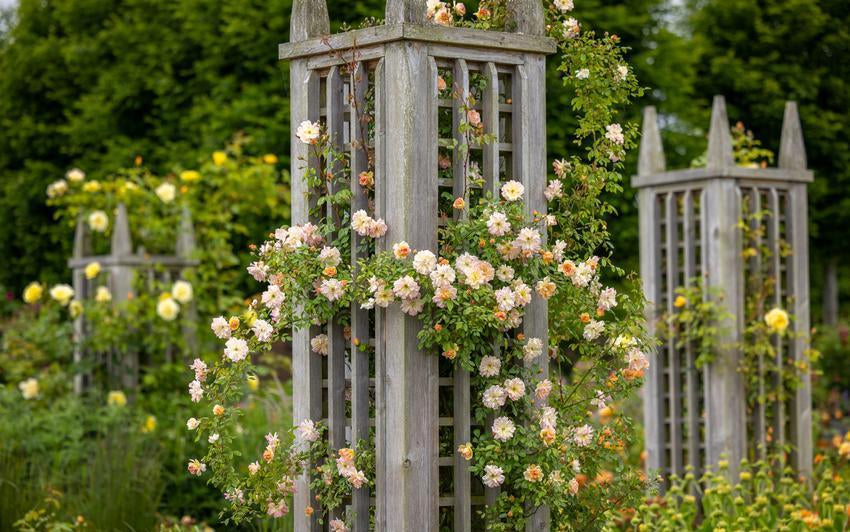
Climbing Roses for Arches, Obelisks and PillarsThere is always room for another rose. When borders are full, the answer is often simply to look upwards. Climbing roses can transform arches, obelisks and pillars into wonderfully abundant garden features, bringing flowers and fragrance to eye level and above. They can tumble over an entrance, rise from the middle of a border or soften a simple post with foliage and bloom. And, with the right rose and a little thoughtful training, they need surprisingly little ground space to make quite an impression.