


Holiday Rose Care: How to Protect Your Roses While Away
There is a distinct, bittersweet ache that every gardener knows. It happens the moment you zip up your suitcase, step out the front door, and cast a final glance at your garden. In the height of summer, our roses are often reaching their breathtaking peak. It feels almost cruel to leave them behind just as they are putting on their finest show.
Instead of enjoying the gentle scent of a blooming rose on an evening breeze, you are packing luggage tags. It is completely natural to feel a twinge of reluctance about leaving your treasured borders behind.
Fortunately, you do not have to choose between a well-deserved holiday and a beautiful garden. With a few thoughtful preparations, you can leave your garden with absolute confidence.
Give Your Roses a Good Drink Before You Leave
If there's one thing your roses will appreciate before you set off, it's a deep watering.
Rather than a quick sprinkle over the surface, water slowly around the base of each plant, allowing the moisture to soak well into the soil where the roots can reach it. A thorough watering lasts much longer than little and often, particularly during warm summer weather.
Container-grown roses deserve a little extra attention. Compost dries much more quickly than garden soil, so give pots a generous soak until water begins to drain freely from the bottom.
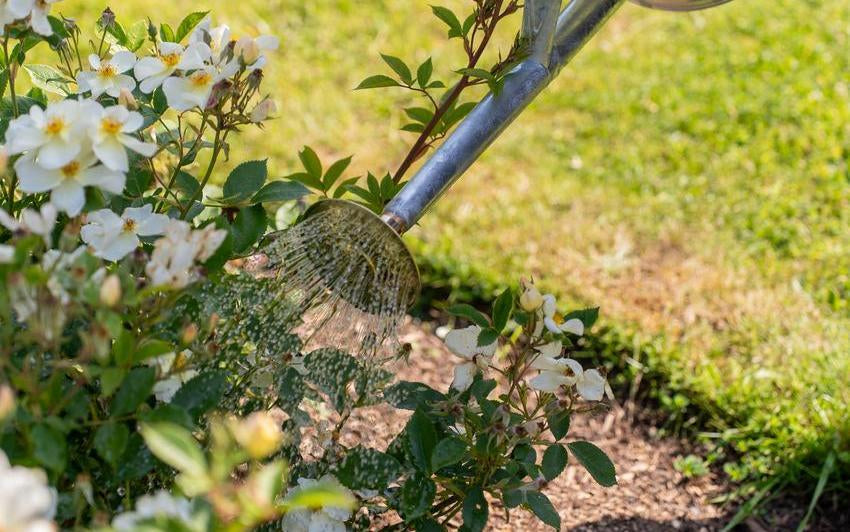
How to Water Roses
Rather than a quick sprinkle over the surface, water slowly around the base of each plant, allowing the moisture to soak well into the soil where the roots can reach it. A thorough watering lasts much longer than little and often, particularly during warm summer weather.
Lock Moisture into the Soil
A layer of mulch can make all the difference during a warm spell.
Whether you choose well-rotted compost, farmyard manure or another organic mulch, spreading it around the base of your roses helps the soil hold onto moisture for longer while keeping the roots cooler beneath the summer sun.
Leave a small gap around the stems to allow air to circulate freely and let the mulch do the hard work while you're away.

Caring for Your Garden from the Ground Up: The Lasting Benefits of Mulching
In any well-loved garden, the thoughtful tasks often have the most impact. Among them, mulching stands out as a simple yet powerful way to care for both your plants and the soil beneath them. Beyond its practical benefits, mulching reflects the gardener’s instinct to nurture, protect, and encourage healthy growth with every passing season.
Deadhead Before You Go
It may feel a little strange removing flowers just before a holiday, but it's one of the kindest things you can do for repeat-flowering roses.
By removing faded blooms, you're encouraging the plant to put its energy into producing new flowers rather than developing hips. You may miss one flush while you're away, but there's every chance you'll return to fresh buds beginning to open.

A Masterclass in Deadheading Roses: How to Prolong the Perfect Bloom
There is an undeniable allure to a rose bush at the peak of its summer display. Yet, as individual blossoms fade, they do more than just disrupt the visual harmony of your garden. Left untouched, a spent flower signals to the plant that its reproductive work is complete. The rose then shifts its energy away from flower production and into developing seed pods, known as rose hips.
Take a Quiet Walk Around the Garden
Before you close the gate, spend ten minutes wandering through your borders.
Look beneath the leaves for aphids, keep an eye out for signs of black spot or powdery mildew, and remove any leaves that are looking unhealthy. Small jobs like these take very little time but can prevent problems from becoming much larger while you're away.
It's also a lovely opportunity to enjoy the garden before you leave. Chances are you'll notice a bud that's almost ready to open or catch the fragrance of a rose that wasn't in bloom the day before.
Give Container Roses a Little Extra Care
Roses growing in pots rely on you more than those planted in the ground, so they're worth a little extra thought.
If possible, move containers somewhere they'll receive morning sunshine but a little protection from the hottest afternoon sun. Grouping pots together also helps them retain moisture by creating a slightly cooler, more sheltered environment.
If the forecast promises a spell of particularly hot weather, a neighbour, friend or family member will usually only need to water them every few days to keep them looking their best.
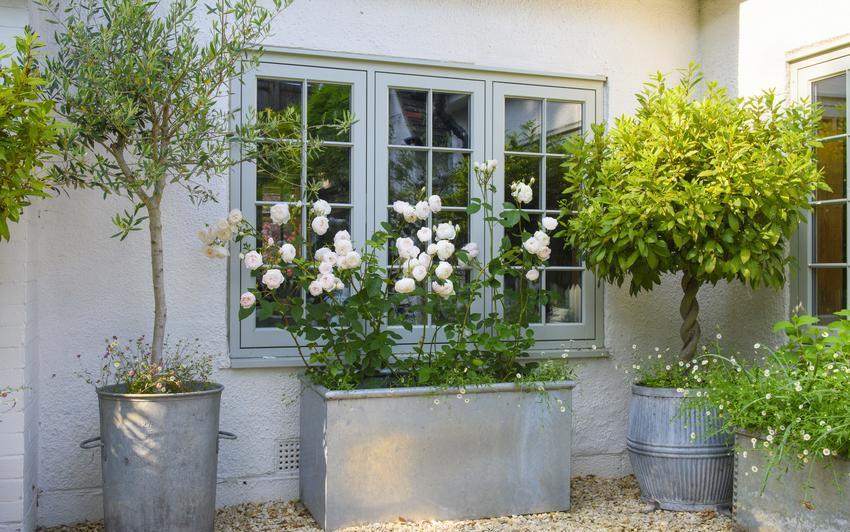
How to Care for Roses in Pots: Keep Them Happy, Healthy and Flowering
Growing a rose in a pot brings beauty right to the doorstep. Whether nestled against a garden bench, standing proudly on a sun-drenched terrace or softening the edge of a courtyard, container roses offer a graceful solution for smaller spaces. With the right care, they will flourish for many years to come.
Before you leave, spend a few moments tidying around your roses.
Pull out any weeds that will compete for water, gather up fallen leaves and clear away any debris from around the base of the plant. It only takes a few minutes, but it helps improve air circulation and leaves your borders looking their best.
For holidays of a fortnight or more, it's worth asking someone to keep an eye on the garden.
Established roses planted in the ground rarely need much attention unless the weather is exceptionally dry, but container roses may appreciate an occasional watering.
Once you're home, give your roses a quick check over.
Water thoroughly if the soil is dry, deadhead any spent blooms and remove any damaged or yellowing leaves. It won't take long to get everything looking its best again, and you'll soon be able to enjoy the next wave of flowers.
-
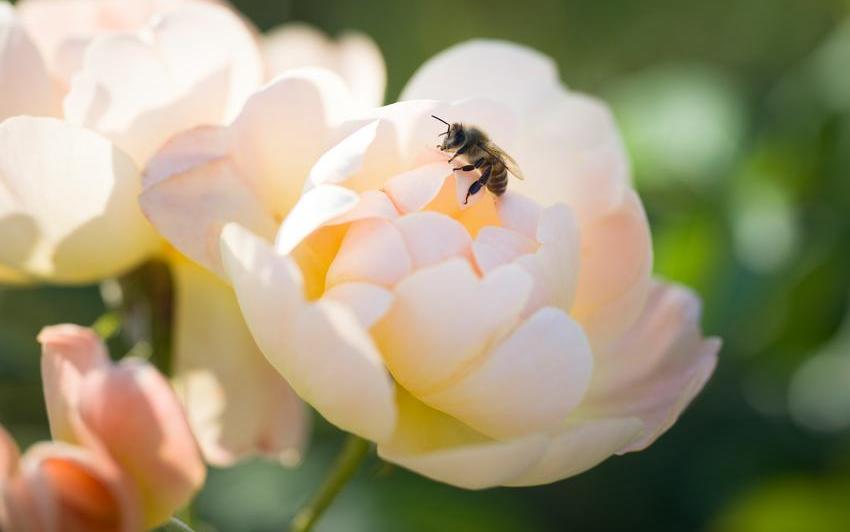
Roses for the Last Night of the PromsThere are few evenings quite like the Last Night of the Proms. Familiar melodies fill the Royal Albert Hall, the audience joins in and music heard and loved for generations is given fresh life once more. This year’s programme got us thinking about the curious connections between music, stories and the names of some of our roses. From Elgar and the Malvern Hills to Britain’s long relationship with the sea, each offers a thread to follow from the concert hall into the garden.
-
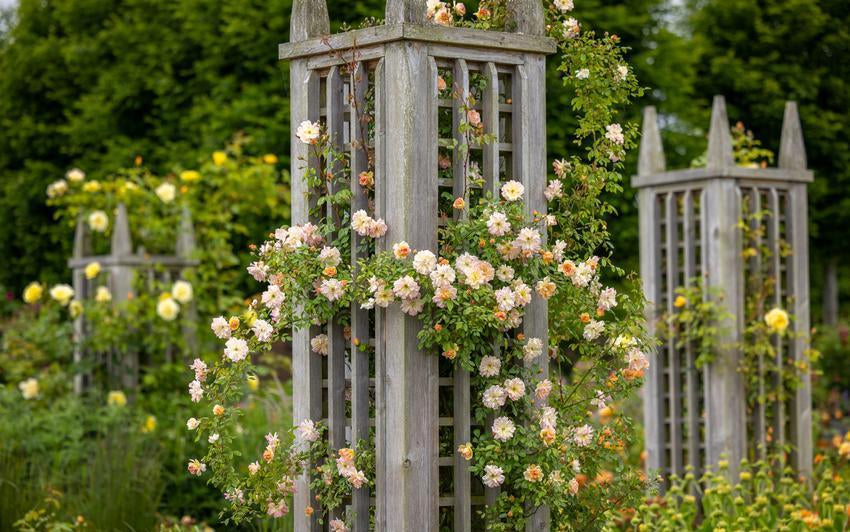
Climbing Roses for Arches, Obelisks and PillarsThere is always room for another rose. When borders are full, the answer is often simply to look upwards. Climbing roses can transform arches, obelisks and pillars into wonderfully abundant garden features, bringing flowers and fragrance to eye level and above. They can tumble over an entrance, rise from the middle of a border or soften a simple post with foliage and bloom. And, with the right rose and a little thoughtful training, they need surprisingly little ground space to make quite an impression.
-
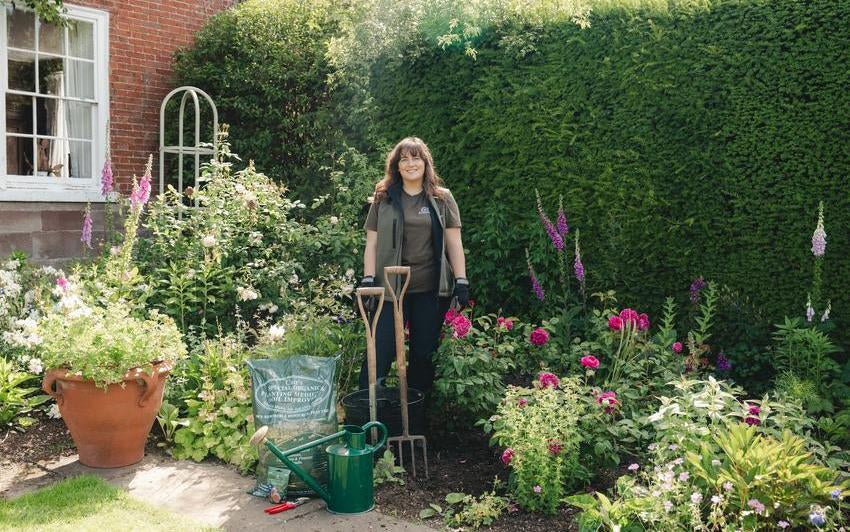
Moving a Rose: A Step-by-Step GuideRoses are wonderfully resilient, and sometimes a change of position is all that is needed to help one flourish. Perhaps a border is being redesigned, a rose would benefit from more sunshine, or a much-loved plant simply needs a little more room.
-
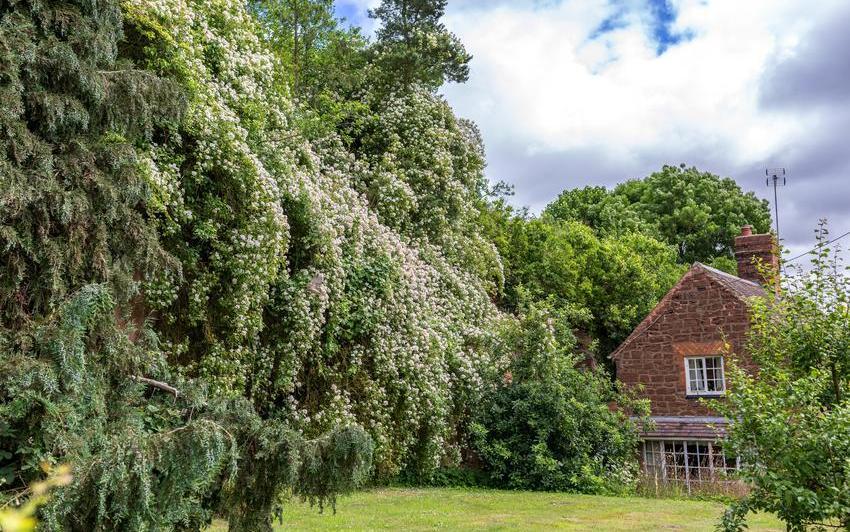
How to Plant and Grow a Rambling Rose Up a TreeRambling Roses have a natural affinity with trees. Their long, vigorous stems can be encouraged upwards into the branches, where they gradually weave through the canopy and open their flowers amongst the leaves. As the rose matures, the effect becomes increasingly natural, with great trusses of bloom appearing high above the ground and tumbling softly from the branches.
-
How to Grow Healthy Roses Without Chemical SpraysIt is perfectly possible to grow beautiful, healthy roses without routinely using chemical sprays. The key is to concentrate on the health of the rose and the garden around it, rather than trying to prevent every aphid, marked leaf or other sign of nature.
-
Using Yellow Roses to Bring Light and Warmth to the GardenYellow roses have a particular way of bringing light into the garden. From the palest lemon to rich, glowing gold, their colours can feel wonderfully inviting without necessarily being bold, illuminating a border much as sunshine does.


