




Rose Feeds Explained: Choosing and Using the Right Feed for Your English Roses
Caring for English Roses is as much about understanding their needs as it is about admiring their beauty. With the right nourishment at the right time, roses grow with greater strength, produce more abundant blooms, and remain resilient through the changing seasons.
Feeding is a simple but important part of rose care. By providing a steady supply of nutrients, you help your roses build strong roots, healthy foliage and generous flowering throughout the growing season.
Roses are naturally vigorous plants. As they grow, flower and repeat bloom through the season, they gradually use up the nutrients available in the soil. Regular feeding replenishes these nutrients and supports steady, balanced growth.
Well-fed roses tend to develop deeper root systems, stronger stems and fuller foliage. Most noticeably, they reward the gardener with more generous and reliable flowering. Feeding also helps plants remain resilient when facing stress from weather, pests or disease.
Feeding roses requires only a few simple tools and products. Preparing the area and applying the feed correctly helps ensure nutrients reach the roots effectively.
Common items include:
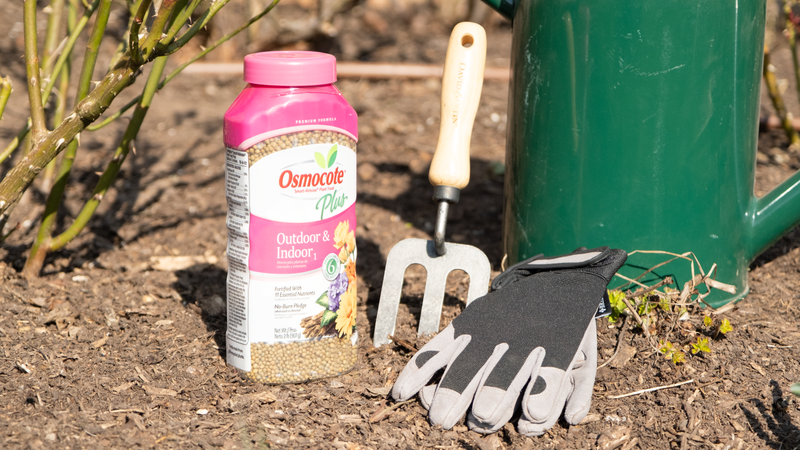
- A granular rose fertiliser such as Osmocote® Plus Smart-Release® Plant Food
- Liquid seaweed feed
- Tomato fertiliser for summer feeding
- Gardening gloves and a hand fork for clearing the soil surface
Each plays a slightly different role in supporting strong growth and healthy flowering.
Roses generally benefit from feeding twice during the growing season.
The first feed should be applied at the start of the growing season, just before the leaves fully open. This early feeding provides the nutrients roses need as they begin their new season of growth. After feeding, apply a layer of mulch to help retain moisture and improve the soil.
A second feed can be given after the first flush of flowers, encouraging repeat-flowering varieties to produce further blooms. Roses that flower only once each season usually require just the initial spring feed.
During summer, if you have already used a granular rose fertiliser, you may supplement with a liquid feed such as tomato fertiliser to provide additional potassium and support continued flowering. Always follow the manufacturer’s instructions to avoid overfeeding.
Osmocote® Plus Smart-Release® Plant Food
A controlled-release fertiliser such as Osmocote® Plus Smart-Release® Plant Food provides a convenient and reliable way to nourish roses. The granules release nutrients gradually over around six months, offering steady support throughout the growing season without the need for frequent reapplication.
When to Use
Apply in early spring, just before new growth begins.
Why It Works
- Slowly releases nutrients over several months
- Provides consistent, balanced nourishment
- Strengthens root systems and supports healthy growth
- A convenient, low-maintenance feeding option
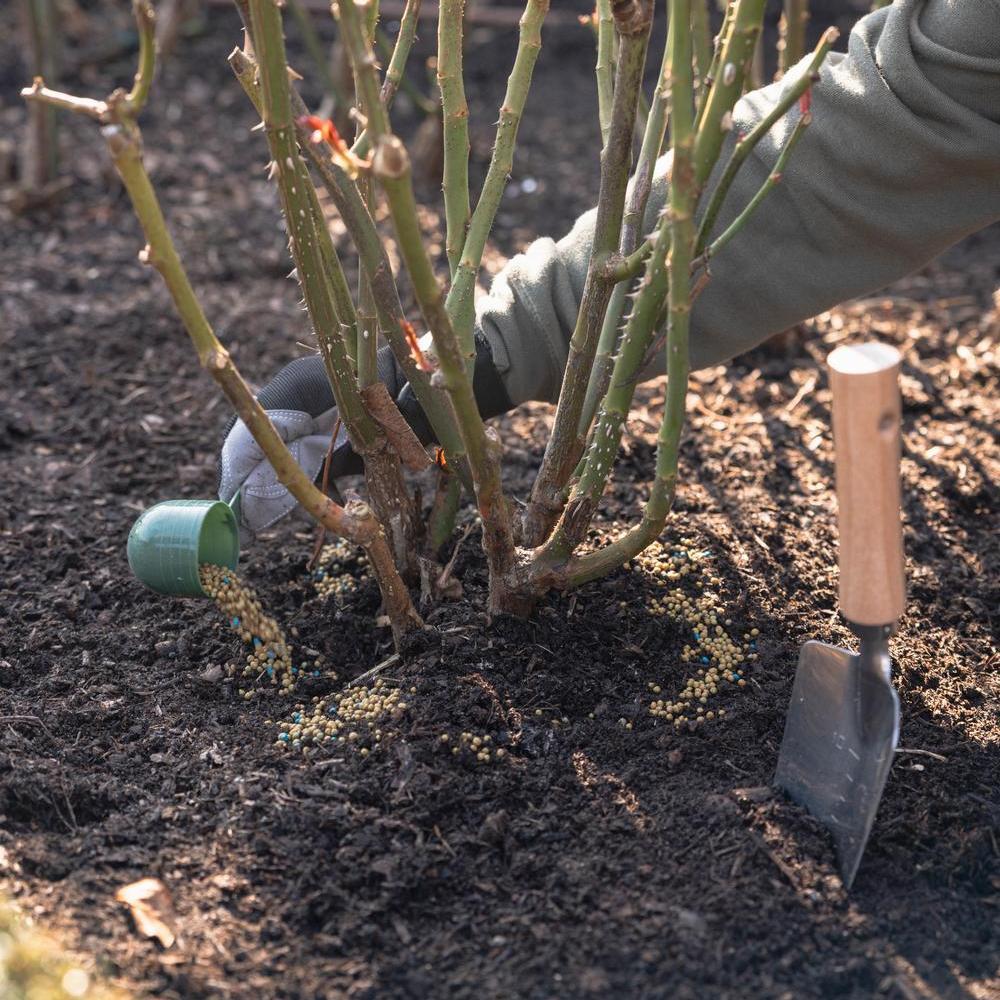
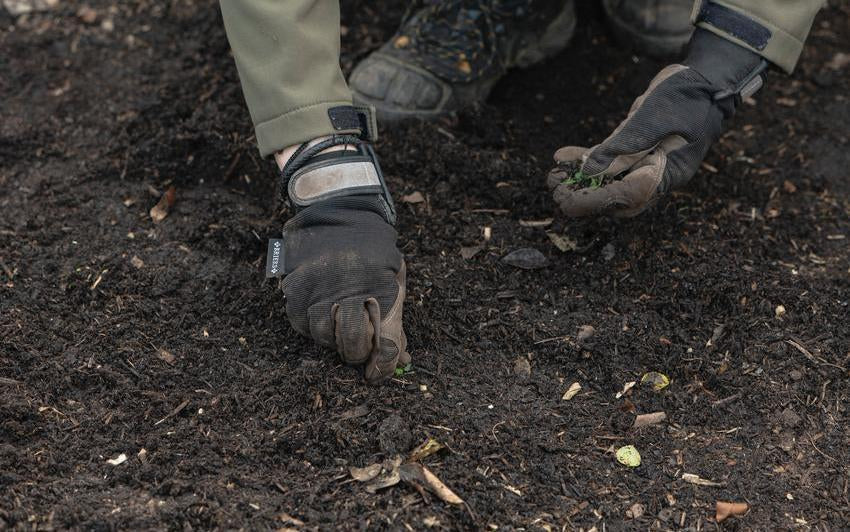 Step 1With a hand fork, clear away weeds, fallen leaves, and lingering debris from around the base of your rose, leaving the soil neat and open.
 Step 2Sprinkle the suggested dose of rose food around the base of your rose.
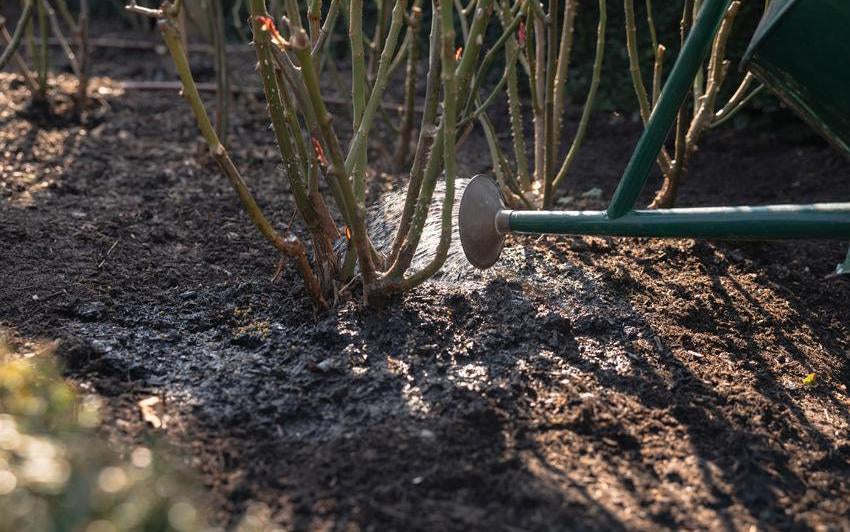 Step 3If the soil is dry, water well to settle everything in. Then follow with mulching for the best results.
Liquid Seaweed Feed
Liquid seaweed feed offers gentle but effective support when roses need a little extra care. It encourages healthy root development and helps plants recover from stress such as harsh weather, pruning or transplanting.
When to Use
Apply throughout the growing season when roses would benefit from additional support.
Why It Works
- Encourages strong root growth
- Supports natural plant resilience and immunity
- A natural, organic option suitable for eco-conscious gardeners
Tomato Feed
Although designed for tomatoes, this fertiliser is rich in potassium, a nutrient that helps encourage strong flowering. For roses, it can be particularly useful once buds begin to form.
When to Use
Apply during the flowering period in late spring and summer, particularly after a flush of blooms.
Why It Works
- Promotes abundant flowering
- Supports healthy foliage during the blooming period
- Provides an extra boost of potassium when plants need it most
A Few Tips for Effective Feeding
- Feed at the right time: Apply granular feeds early in the season, then use liquid feeds during the growing period if plants need extra support.
- Avoid overfeeding: Follow recommended application rates carefully, as excessive fertiliser can damage plants.
- Prepare the soil: Clear weeds, fallen leaves and debris from around the base of your roses so nutrients can reach the roots easily.
- Water after feeding: If the soil is dry, water the plant after applying feed and follow with mulching for best results.



-
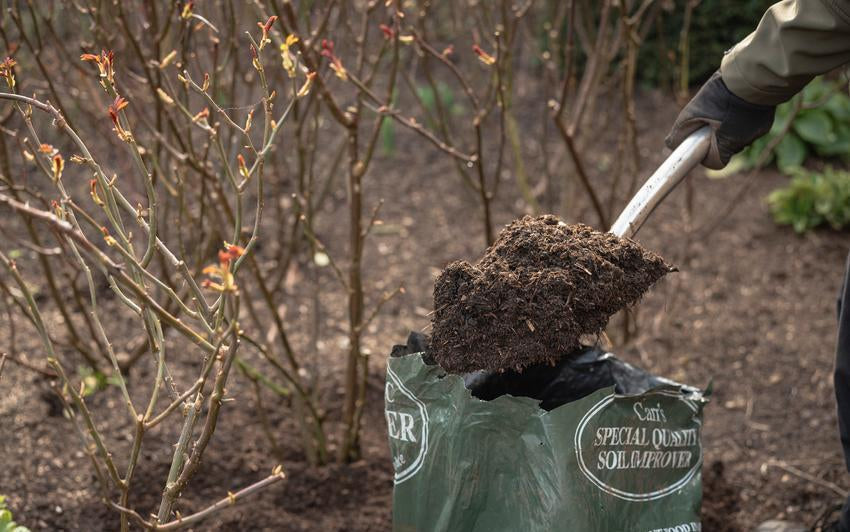
Mulching Roses in SpringMulching is one of the simplest and most beneficial tasks you can do for your roses each year. In spring, a protective layer placed around the base of the plant helps the soil retain moisture, suppresses weeds and gradually enriches the ground with nutrients as it breaks down.
-
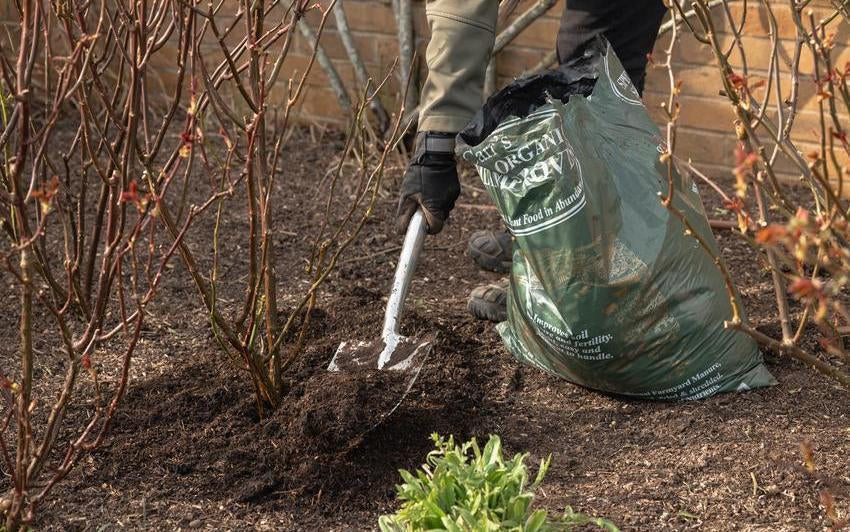
Caring for Your Garden from the Ground Up: The Lasting Benefits of MulchingIn any well-loved garden, the thoughtful tasks often have the most impact. Among them, mulching stands out as a simple yet powerful way to care for both your plants and the soil beneath them. Beyond its practical benefits, mulching reflects the gardener’s instinct to nurture, protect, and encourage healthy growth with every passing season.
-
Caring for 2-Quart Potted and Bare Root Roses Until You Are Ready to PlantA rose, even before it is planted, carries the quiet promise of beauty to come. Whether it arrives growing in a 2-quart pot or resting as a bare root plant, it asks for very little while it waits. If the soil in your garden is workable, both may be planted straight away, and sooner is always kinder, especially as the days grow warmer.
-
Pruning Roses In April? Here's What You Should Know FirstAs April arrives and your garden begins to stir, you might find yourself wondering, Is it too late to prune my roses? Maybe winter slipped by and you didn’t get to it, or perhaps you're simply not sure when the right time is. If you're looking for a bit of reassurance, you're not alone.

-
The Basics of Growing RosesRoses bring a quiet happiness to a garden. Their beauty feels effortless once they are settled, and even a new gardener can grow them with success. With sunlight, sound soil, and a little seasonal care, roses will flower generously and become dependable companions through the year..