

Planting English Roses in Threes, Fives or More
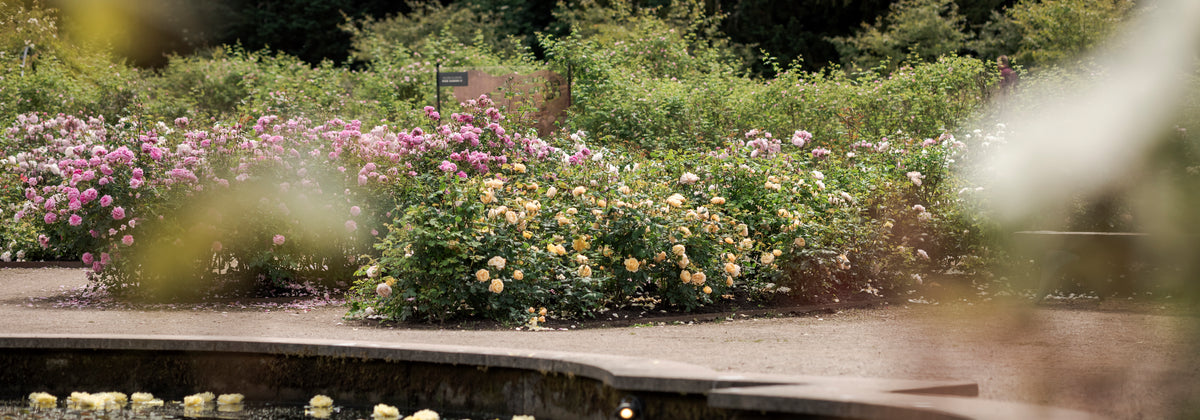
How you arrange your plants makes a big difference to how a garden looks. English roses are a good example. Planting them in groups of three, five or more, ideally of the same variety, is one of the simplest ways to give a border more structure and impact.
Why Plant Roses in Odd Numbers?
Garden designers have long planted in odd numbers. A group of three or five looks natural and relaxed. Pairs and groups of four tend to look symmetrical and deliberate, which suits a formal scheme but can feel stiff in a mixed border.
Odd numbers also make it easier to create a shape. Three roses form a gentle triangle and five a soft drift, both of which sit comfortably among other plants and draw the eye without dominating.

Grouping One Variety for Impact
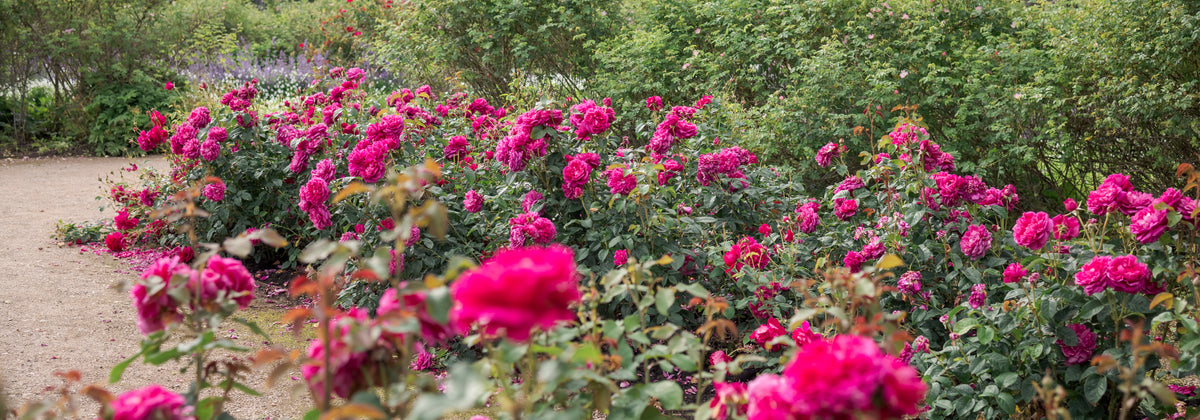
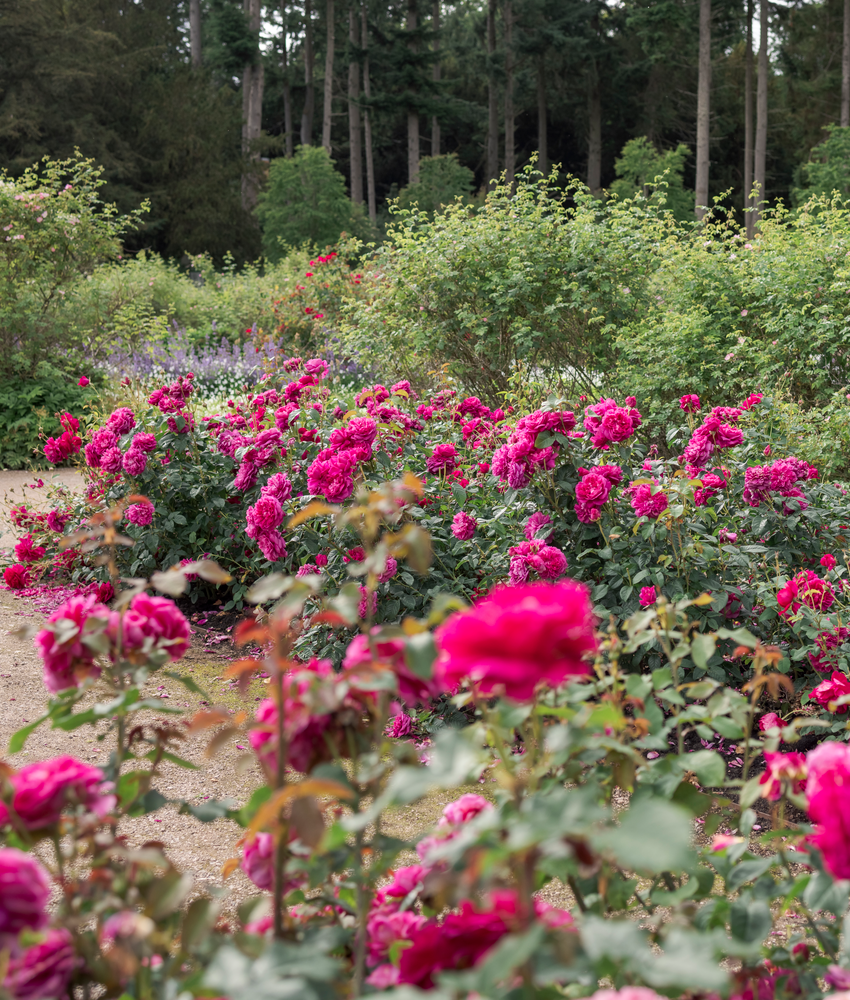
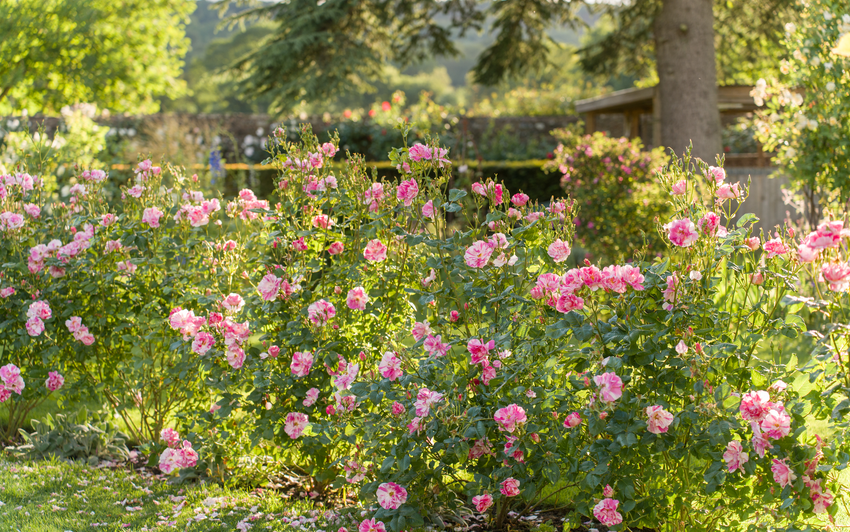
One English rose looks lovely, but a group of them makes a real statement. Their rounded shapes merge into drifts of colour that bring borders, paths and seating areas to life. Try using one or two varieties in quantity to create a focal point, such as along a path or around a bench where you can enjoy them up close. The result looks full and natural rather than overplanned.
Fragrance in Full Flow
English roses are known as much for their scent as for their flowers. Planted in a group, their fragrance builds and carries further, so you notice it as you walk past. Each variety has its own scent, from myrrh and fruit to tea, old rose and musk, and planting several of one variety together gives you more of that scent in one place.
Groups of roses are good for wildlife too. Bees and other pollinators find larger patches of flowers more easily, so a cluster of roses gives them more to feed on and helps the wider garden support more wildlife.
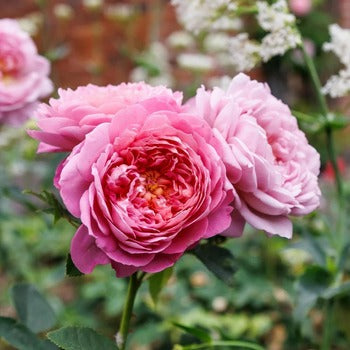
Pictured: Kew Gardens®
Practical Simplicity
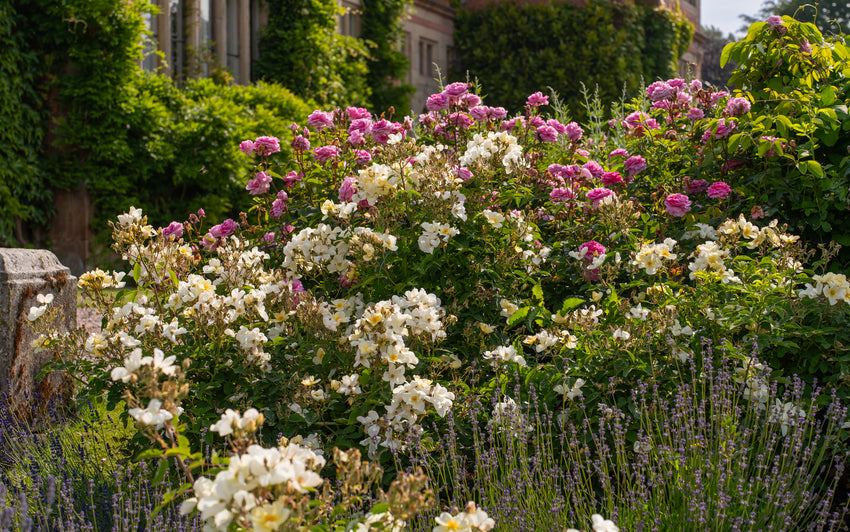
Roses planted in groups are also easier to look after. You can feed, water and prune them in one go, which saves time. Treating the group as one plant also means each rose gets the same care, so they grow and flower evenly.
Compact and medium-sized shrub roses work best in threes and fives, as they grow together into one full, rounded shape. Very vigorous varieties already make a large shrub on their own, so one or two may be enough. In a smaller garden, three of one compact variety will have more impact than three different roses dotted around.
When choosing a variety, check its mature height and width on the product page, and think about how its colour and scent will work with your other plants. If you’re not sure where to start, our Easy-to-Grow roses are a reliable choice for planting in groups.
Pictured: The King's Rose
How Far Apart to Plant Roses in Groups of Three or Five
To create the effect of one generous shrub, plant your roses closer together than you would if growing them singly. Set three roses in a triangle, or five in a gentle zigzag, so that each overlaps its neighbours by around half of its mature width. As a guide:
Mature width of the rose:
- Roses growing 2–3 ft (60–90 cm) wide: plant 1.5 ft (45 cm) apart
- Roses growing 3.5–4 ft (105–120 cm) wide: plant 2 ft (60 cm) apart
- Roses growing 4.5–5 ft (135–150 cm) wide: plant 2.5 ft (75 cm) apart
Leave around 2–3 ft (60–90 cm) between the group and any neighbouring plants, so the cluster has room to fill out and air can move freely around it. Small gaps between the roses in their first season are perfectly normal; they will knit together as they establish.
For spacing single roses among companion plants, or planting a rose hedge, see our guide to rose planting distances.
When to Plant Your Group
Bare root season, from November to March, is the ideal time to plant roses in groups. Bare root roses settle in quickly while they are dormant, and they are also the most economical way to buy several of the same variety. Browse our bare root roses, then follow our step-by-step guide to planting bare root roses.
Why Plant Roses in Groups?
Planting English roses in threes, fives or more gives you stronger focal points, more fragrance, more for pollinators and easier care. It can also save money, as buying several roses of the same variety often costs less. It’s a simple change that makes a big difference to how your garden looks and smells.
Yes. A group of three compact roses often looks better in a small space than several different varieties, as it creates one generous shape rather than a scattering of plants.
Plant them in a triangle, closer together than single roses, so each overlaps its neighbours by about half its mature width. For a rose with a mature width of 3.5–4 ft, that means around 2 ft (60 cm) apart.
Odd-numbered groups look more natural and relaxed than pairs or fours, which tend to appear formal and symmetrical. Three or five roses also form pleasing shapes, a triangle or a soft drift, that sit well within a border.
Yes, though a single variety gives the strongest effect. If you’d like to combine two, choose roses of a similar size and habit so they grow together evenly, and pick colours that complement each other.
-
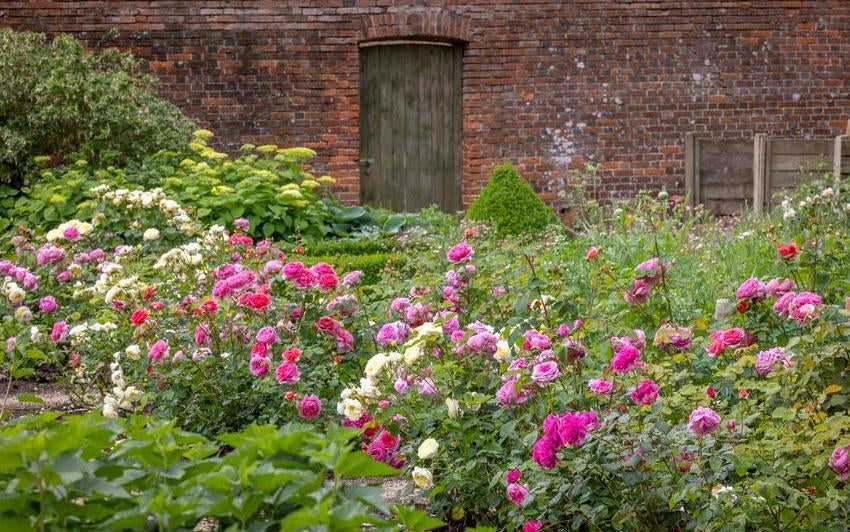
Giving Roses Room to Grow: A Guide to Planting DistancesAllowing the right amount of space between roses is one of the quiet secrets of a well-balanced garden. When shrub roses are planted too closely together, the border can quickly feel crowded as the plants mature. Planted too far apart, however, and the planting may appear sparse, with bare patches of soil between each rose.
-
Every Rose Begins as a Hip: Inside Our Breeding Glasshouses This AutumnOur breeding team shares what this special season means to them, as the hips ripen in the glasshouses and the next generation of roses begins its journey.

-
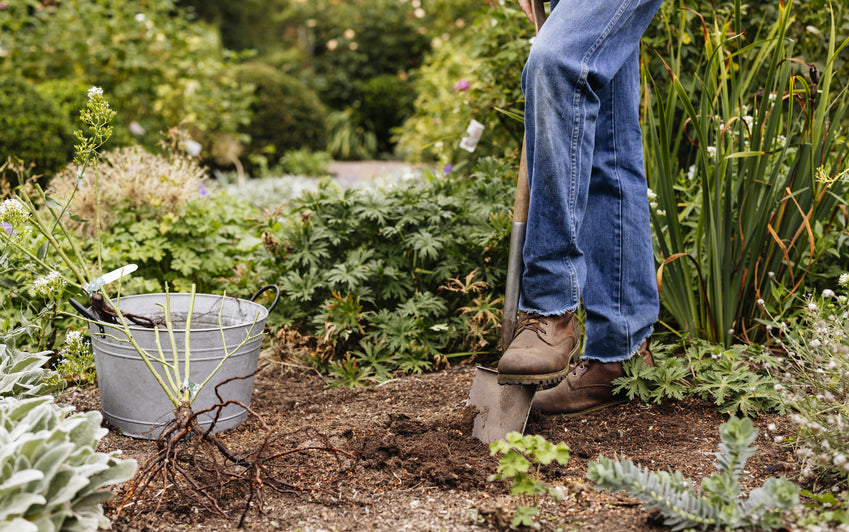
Bare Root or Potted? Why Our Roses Come Two WaysAcross the year, you'll find two different forms of David Austin® rose available. For much of the year, our potted roses are ready and waiting, cut back and dormant during the cooler months, in leaf and growth through the warmer ones. Then, once the growing season draws to a close, our bare root roses come into their own, dug fresh from the field and sent out while fully dormant, just as English roses have been grown and shared for generations.
-
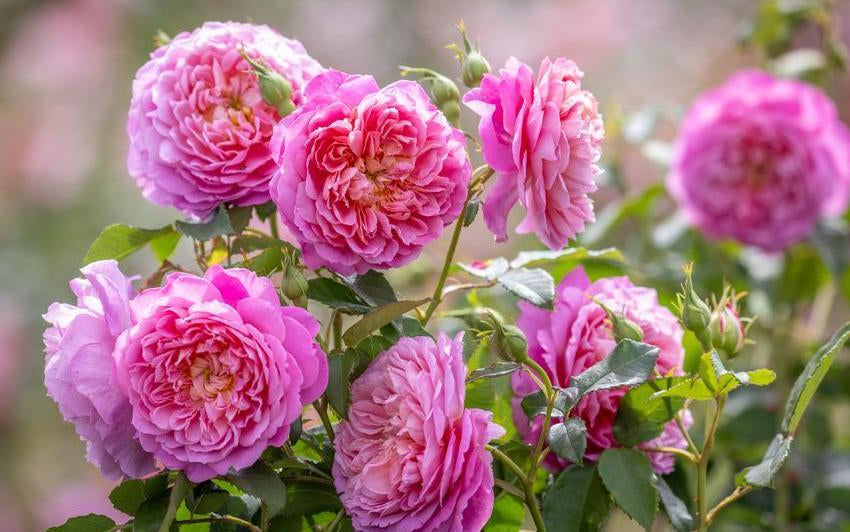
Emma Bridgewater (Ausb44a16): Named in honour of the British potter Emma BridgewaterEmma Bridgewater (Ausb44a16) is an exciting new addition to the English Shrub Rose family, launched in the US in 2026. This medium-sized shrub rose grows broad and upright yet maintains a compact, bushy shape, making it a versatile choice for a variety of garden settings.
-
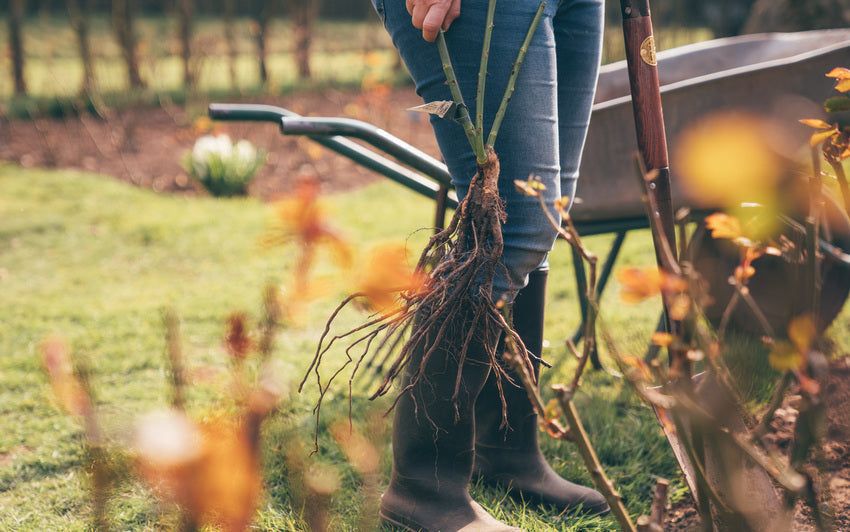
Planting Bare Root Roses: Step-by-Step for Garden and PotsBare root roses arrive simply, as stems and roots, quietly waiting for the garden to bring them to life. With care, they can transform into lush, flowering plants, filling a garden with colour, fragrance, and presence. Affordable, easy to handle, and a traditional favourite among gardeners, they offer both charm and reward.
-
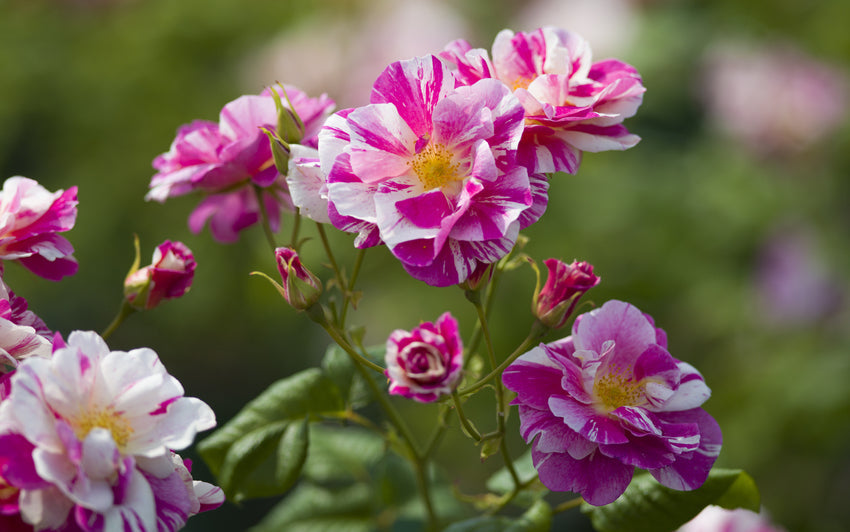
The King's Rose: Our First Striped English Rose, Named in Honour of King Charles IIIEvery so often, a rose appears in our breeding fields that is quite unlike anything we have introduced before. The King's Rose is one such rose. With flowers beautifully striped in shades of fuchsia pink and white, it is the first striped English Rose to be introduced by David Austin. Named in honour of His Majesty King Charles III, it made its debut at the RHS Chelsea Flower Show in 2025 and now begins a new chapter in gardens across America.
-
The Rose Year BeginsFall brings a distinct richness that invites us to slow down and notice the changes. Leaves turn shades of amber and gold, while the lower, softer light catches the borders in the late afternoon. As cooler mornings bring heavy dew and that unmistakable, earthy scent of damp soil, the garden gradually settles down for the season.