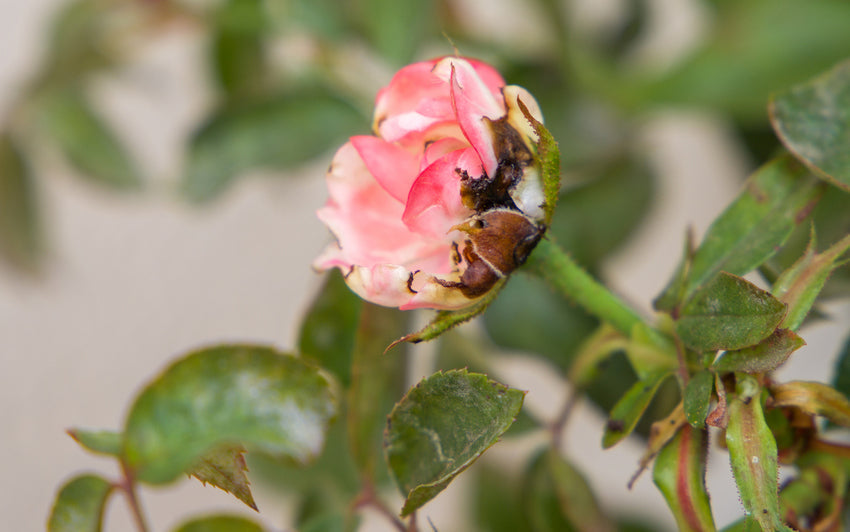





Tiny, elusive and surprisingly hungry, spider mites are one of the most common pests to appear on roses during warm, dry weather. Although they're difficult to spot, the damage they leave behind is much easier to recognise. Fortunately, once you know what to look for, they're straightforward to manage, especially when caught early.
From spotting the first signs of damage to encouraging beneficial predatory mites in your garden, here's everything you need to know about identifying and managing spider mites naturally.
Why are Spider Mites a Problem?
Spider mites feed by piercing the leaves and sucking out the contents of individual plant cells.
While one mite won't cause much damage, they reproduce remarkably quickly. Depending on the temperature, they can complete their entire life cycle in as little as nine days, meaning a small population can become a large infestation before you've had chance to notice.
As they feed, the plant loses its ability to photosynthesise efficiently, leaving it weaker and more vulnerable to drought, disease and other environmental stresses. To make matters worse, spider mites feed on the undersides of leaves, so they're easy to miss until the damage becomes obvious.
Signs Your Rose has Spider Mites
Fortunately, your rose usually gives you a few clues.
The earliest symptom is tiny pale yellow, grey or cream-coloured speckles across the upper surface of the leaves. This mottled appearance develops because the mites are feeding underneath.
As the damage increases, leaves may begin to look bronzed or scorched before turning brown and dropping prematurely. In severe infestations, this loss of foliage can weaken the plant considerably.
You may also notice fine silken webbing across the foliage and between shoots. These webs help protect the mites from predators and become more obvious as numbers increase.
A simple way to check for spider mites is to hold a sheet of white paper beneath a branch and gently tap the leaves. If tiny specks fall onto the paper and begin moving, you've likely found your culprit.
Healthy, well-watered roses are naturally more resilient to pests, so good garden care goes a long way.
To help prevent spider mites:
- Avoid overfeeding with high-nitrogen fertilisers, which encourage soft, vulnerable growth.
- Water consistently during dry periods to reduce plant stress.
- Remove weeds and fallen debris where mites can shelter and overwinter.
- Encourage natural predators, including ladybirds and beneficial predatory mites.
- Avoid broad-spectrum insecticides where possible, as these often kill helpful predators as well as the pests you're trying to control.
One of the simplest tricks is also one of the most effective.
A firm spray of water directed at the undersides of the leaves can dislodge spider mites before they establish large colonies. It's best done in the morning so the foliage has plenty of time to dry during the day.

Sometimes the best solution comes from nature.
Rather than reaching straight for a spray, we use a biological control programme in our own rose gardens, introducing beneficial predatory mites that feed naturally on spider mites.
This would be a wonderful place to include a photograph of the garden team applying the predatory mite sachets.
These beneficial mites actively hunt spider mites at every stage of their life cycle, helping to restore a natural balance without affecting other helpful insects. It's an approach that works with nature rather than against it, and one we rely on throughout our rose gardens.
Because these predatory mites only work once spider mites are present, rather than as a preventative treatment, checking your roses regularly and spotting the early signs of damage is especially important.
It's always satisfying to know that one tiny mite can solve the problem created by another.
Chemical sprays aren't always the answer.
Many products can also affect the beneficial insects and mites that naturally help keep spider mite populations under control, which may make the problem worse over time.
If prevention, biological controls and regular monitoring haven't been enough, a pesticide approved for use against spider mites may help reduce numbers. As spider mite eggs are often unaffected by treatment, it's usually necessary to repeat applications according to the manufacturer's instructions to target newly hatched mites.
Whatever treatment you choose, make sure you spray the undersides of the leaves, where spider mites spend most of their time feeding.
Keeping Spider Mites Under Control
Spider mites may be tiny, but they don't have to become a big problem.
By checking your roses regularly, keeping plants healthy and encouraging natural predators, you'll usually spot spider mites before they gain the upper hand. A combination of good garden hygiene, a strong jet of water and biological controls is often all that's needed to keep populations under control.
With a little early intervention, your roses can continue to thrive, rewarding you with healthy foliage and beautiful blooms throughout the season.




-
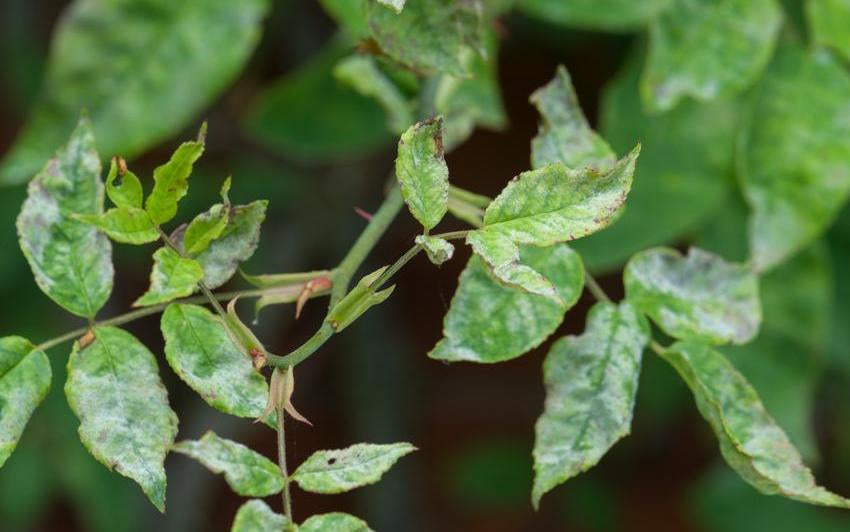
Managing Powdery Mildew on Your Roses: The Ghost in the GardenThere are few sights more disheartening for a rose grower than watching fresh, vigorous growth suddenly falter. You’ve spent weeks monitoring a promising new shoot as it reaches for the sun. Then, almost overnight, the leaves begin to pucker. A strange, silvery dust settles over the buds like a ghostly velvet. This is Powdery Mildew.
-
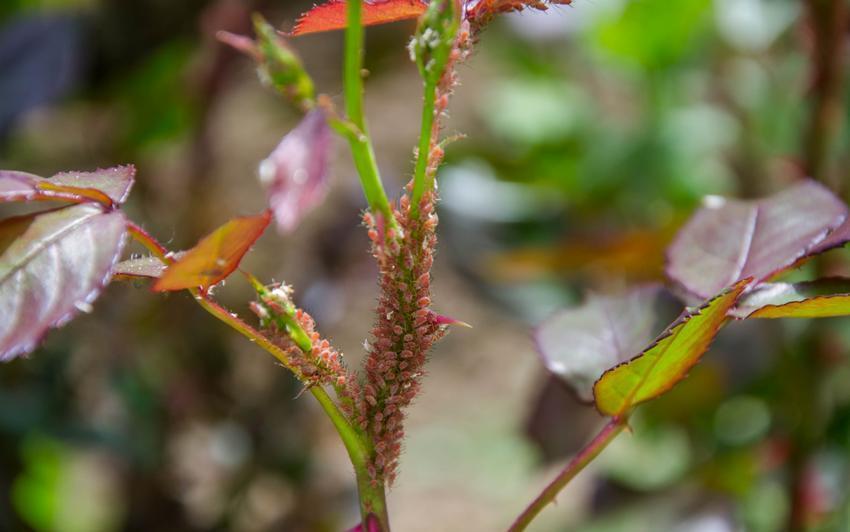
The Arrival of Aphids: Friends or Foes to Your English Roses?As the days grow longer and the warmth of spring fills the air, your roses begin to come back to life. But with the change in season, you might notice some tiny visitors on your plants – aphids.
-
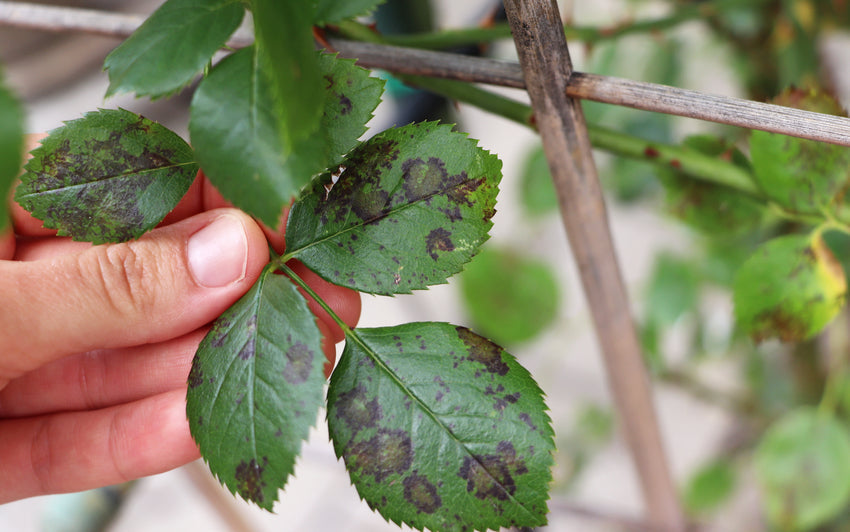
How to Tell Downy Mildew and Blackspot Apart on Your RosesRoses sometimes show signs of illness that can be easy to mistake for one another. Two common problems are downy mildew and blackspot. Both affect foliage and can weaken the plant, yet they present differently and thrive under distinct conditions. Recognising these differences allows gardeners to respond appropriately and preserve the health and beauty of their roses.
-
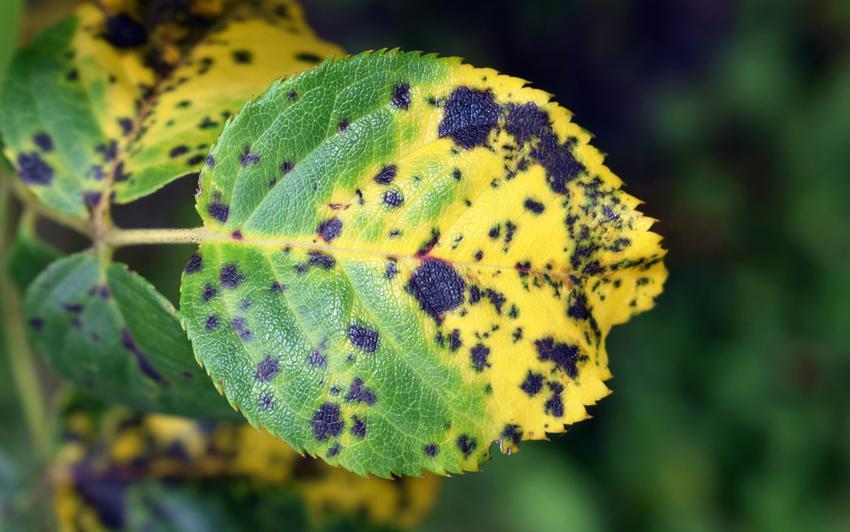
The Truth About Blackspot: A Guide to Keeping Your Roses HealthyIf you grow roses, you’ve likely heard about blackspot, that pesky fungal troublemaker that loves to spoil even the most beautiful bushes. It’s one of the most common problems gardeners face, and while it doesn’t kill your roses outright, it can really take the wind out of their sails if left unchecked.
-
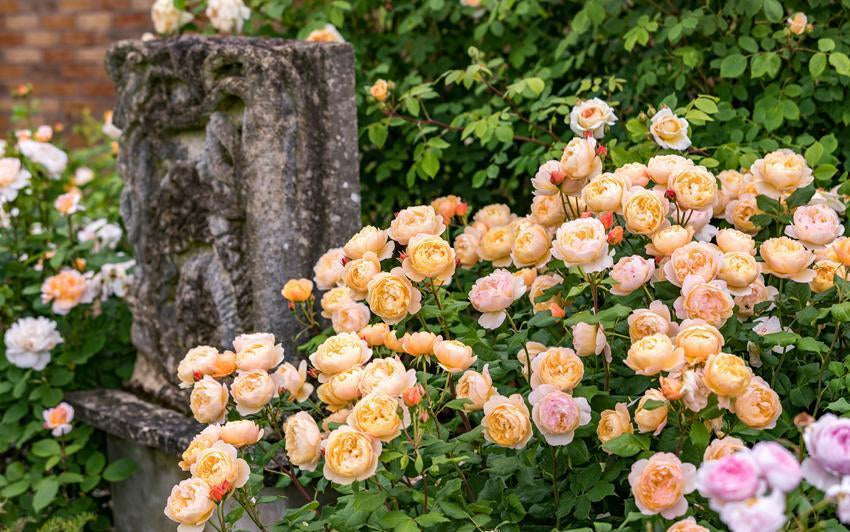
The Changing Colours of English RosesIt’s something that catches gardeners out time and again. A rose you’ve grown before, chosen for its particular shade, opens in a colour that seems unfamiliar. Maybe it’s paler. Maybe there’s a flush of pink where there wasn’t one before. Maybe the whole bloom looks like it belongs to another plant altogether.
-
When Buds Refuse to Bloom: A Gardener's Encounter with ThripsIt begins quietly. You’re walking the garden in the early morning, coffee in hand, admiring the swell of buds after a warm spell. Everything looks as it should, until your eye catches one that seems reluctant to open. The petals are puckered, almost as if they’ve been pinched, and their edges are tinged with a strange brown. A day or two later, another bud does the same. Then a third.