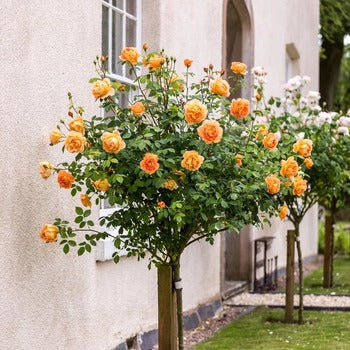


Orderly rows of cabbages, fruit cages heavy with berries, and muddy boots by the shed door define the classic allotment. Roses rarely fit this purely practical image. However, these tough, versatile plants offer immense value to productive spaces. They deliver fragrance, colour, and vital wildlife support directly alongside your harvest.
For beginners, introducing roses to an allotment, a kitchen garden, or a vegetable patch is a simple way to introduce structure without losing valuable growing space. Before planting, always check your local allotment tenancy rules. Some sites strictly permit edible crops, while others welcome wildlife-friendly flowers. If you garden at home, you have total freedom to blend flowers and food seamlessly.
Establish Living Boundaries with Shrub Roses
Shrub roses define the edges of a plot beautifully. They replace harsh timber or wire fencing with a soft, living screen that changes with the seasons. This relaxed growth habit provides gentle enclosure, deters pests, and significantly boosts biodiversity. You gain beautiful summer flowers followed by colourful autumn fruit.
Top beginner-friendly choices include:
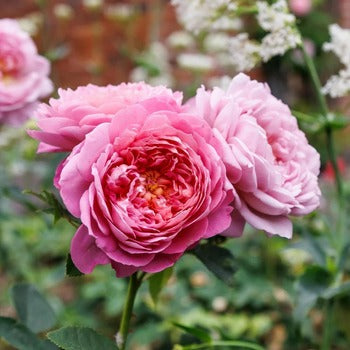
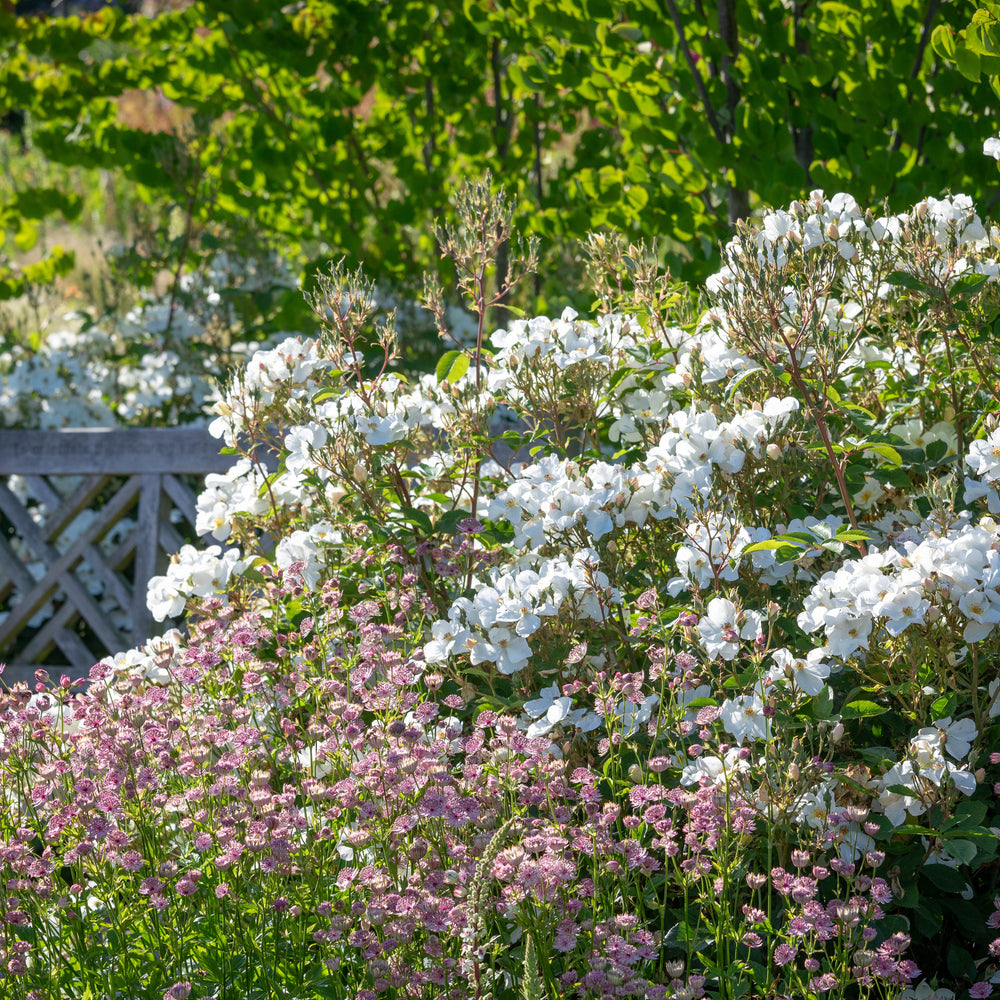 Kew Gardens (Ausfence)Very few thorns, making it exceptionally safe for narrow pathways where clothing might otherwise snag.Shop here
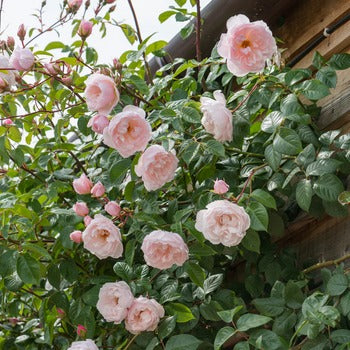
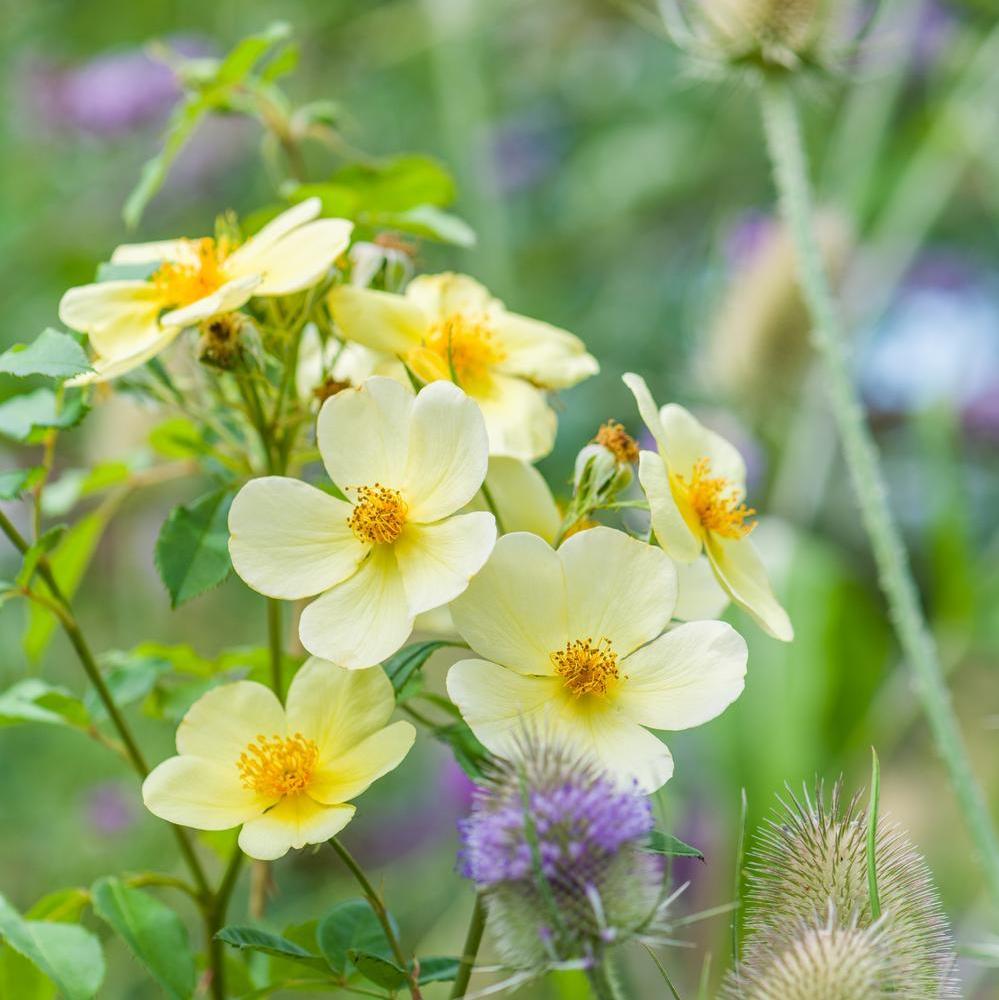 Tottering-by-Gently (Auscartoon)Its light, airy habit and simple, open blooms create a relaxed, informal feel while providing an excellent source of nectar for bees and other pollinators.Shop here
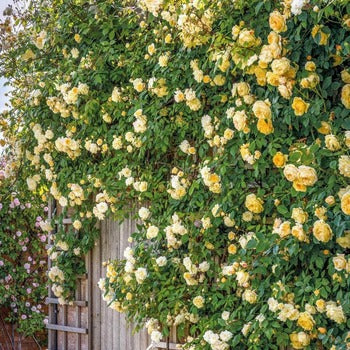
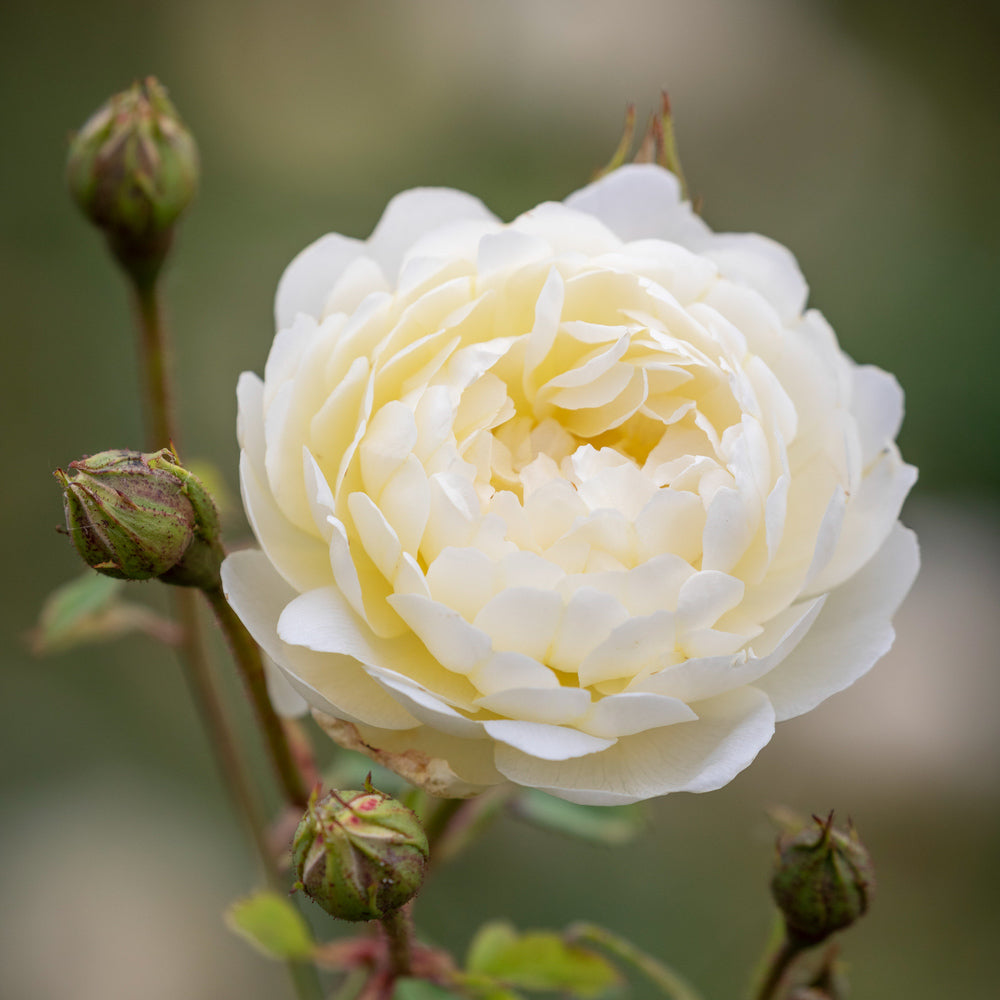 Nye Bevan®(Auspital)Features soft, welcoming yellow tones that visually brighten up darker corners of the plot.Shop here
Go Vertical with Archway Climbers
Allotments and vegetable patches are often premium real estate where ground space is saved for crops. Climbing roses offer the perfect solution for beginners because they draw the eye upward without stealing valuable soil from your vegetables.
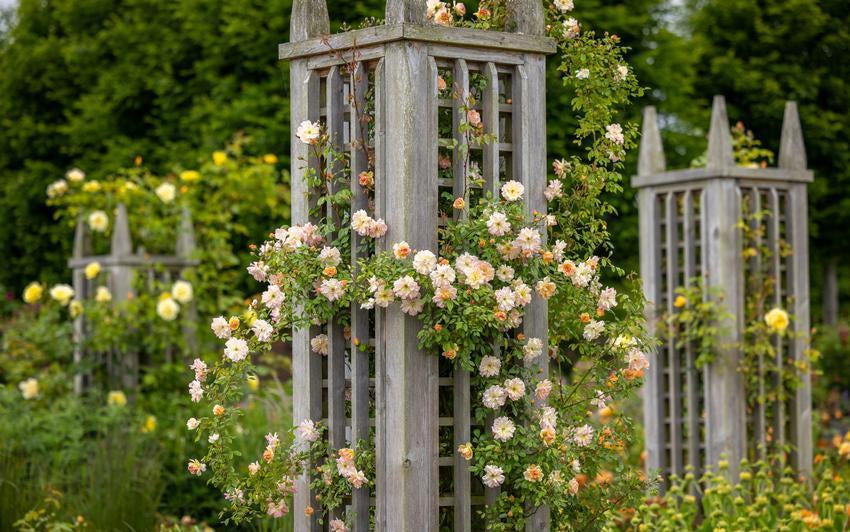
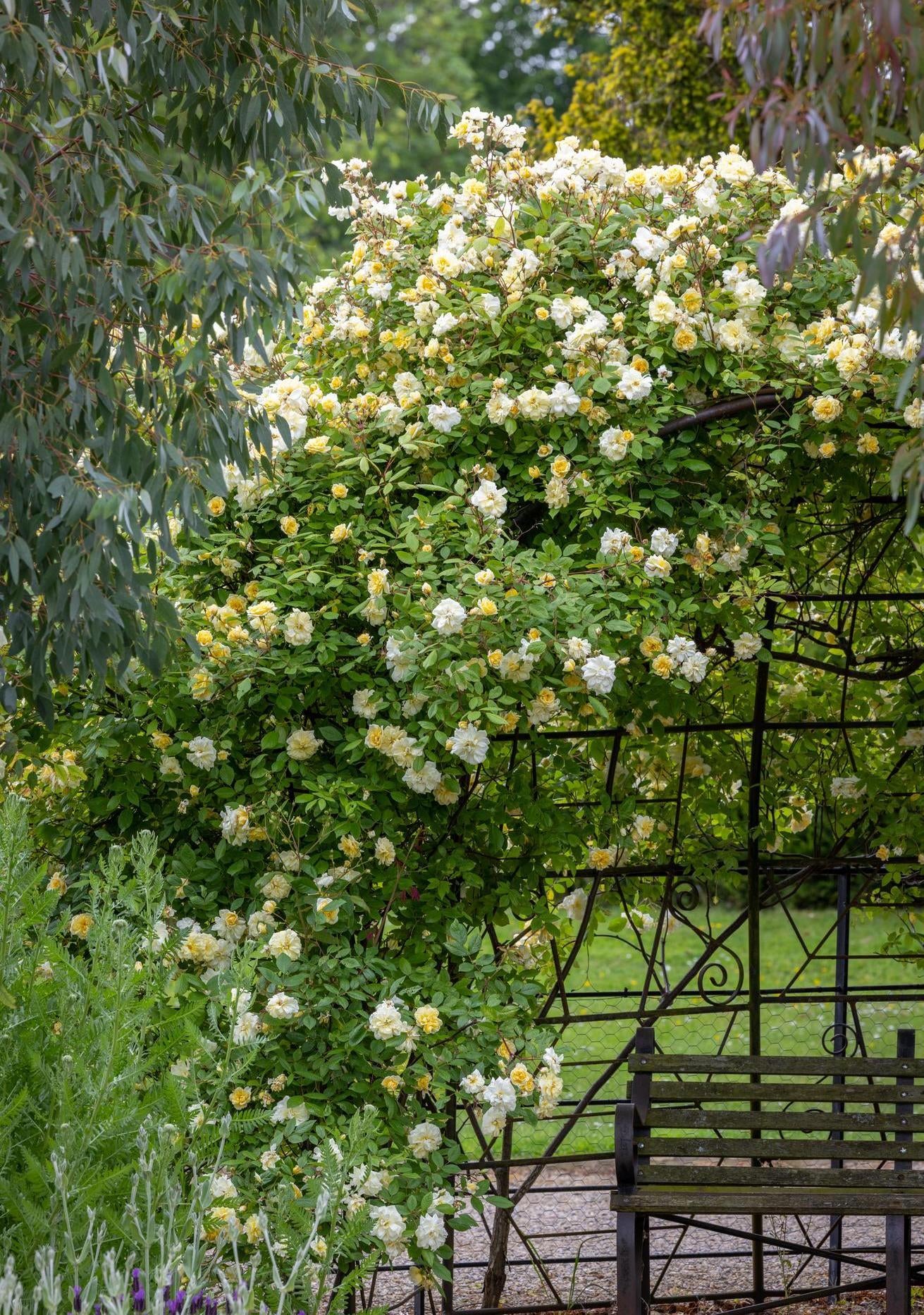
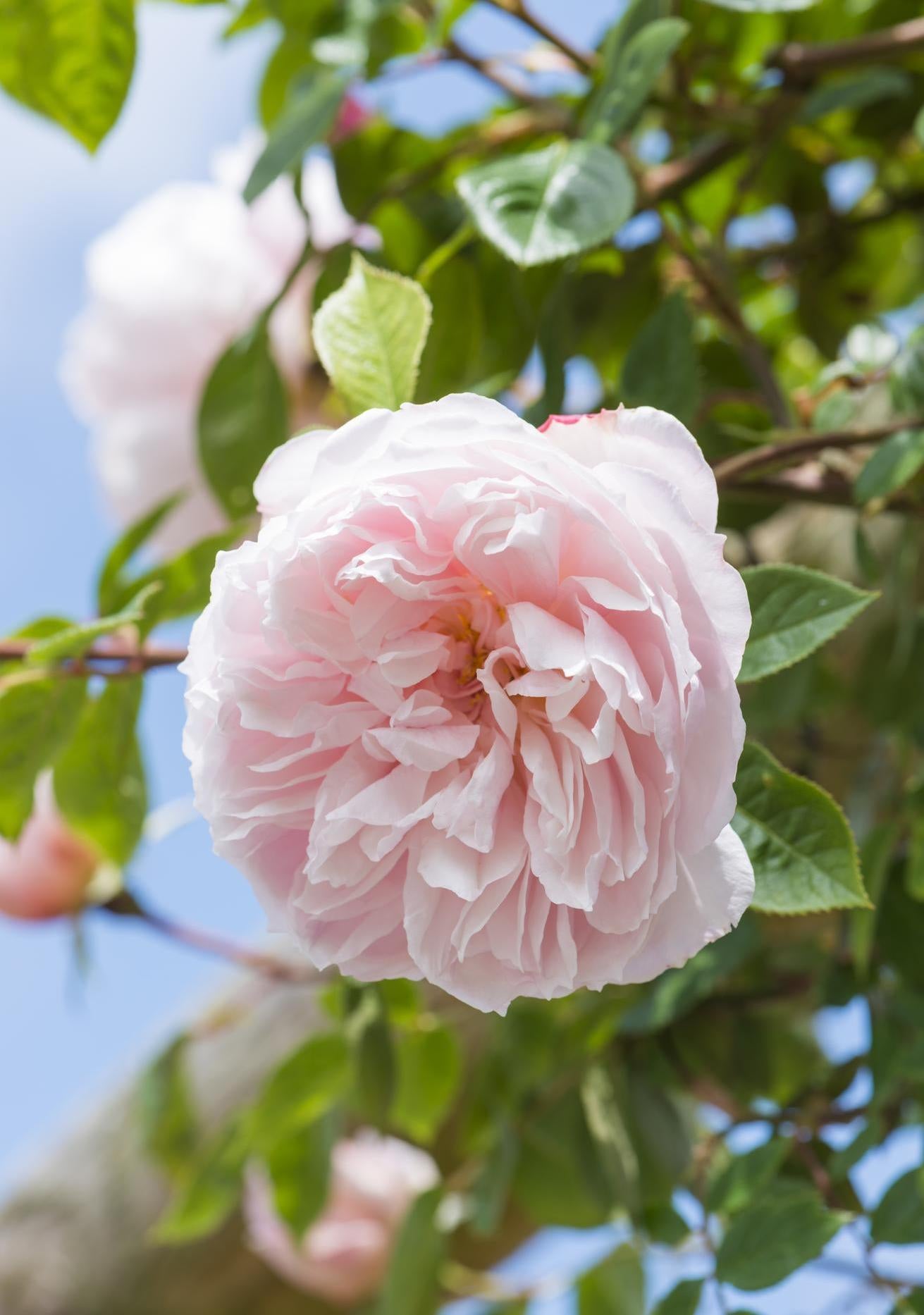
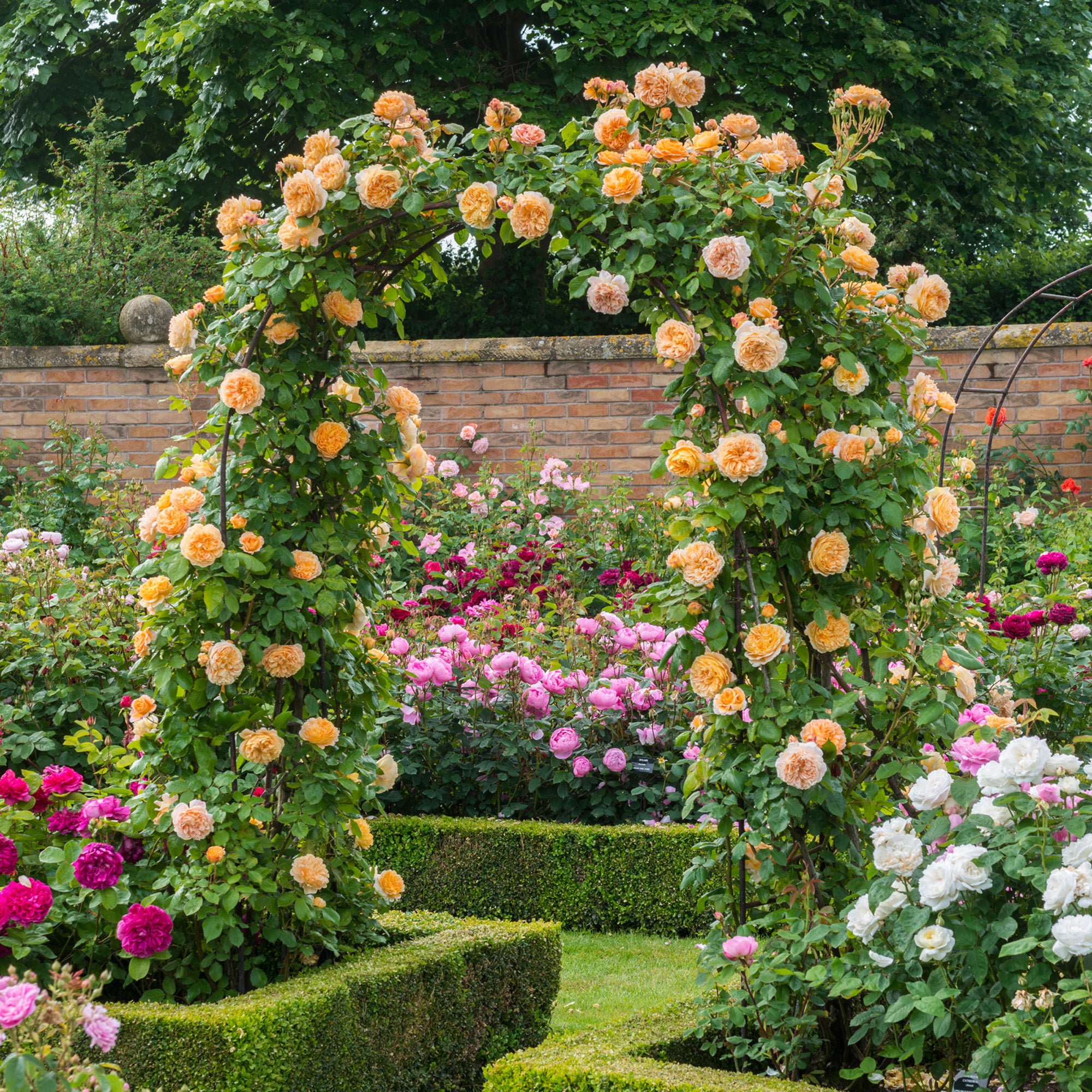
Adding a simple timber archway or a metal pergola at the entrance of your plot creates a transition point. Training a climbing rose over an archway, up a fruit-cage frame, or against the side of a garden shed adds instant charm. Varieties like Malvern Hills® (Auscanary) or The Generous Gardener® (Auswinter) are excellent for beginners. They grow reliably, handle vertical training easily, and perfume the air every time you walk into your plot.
Maximise Pollination and Crop Yields
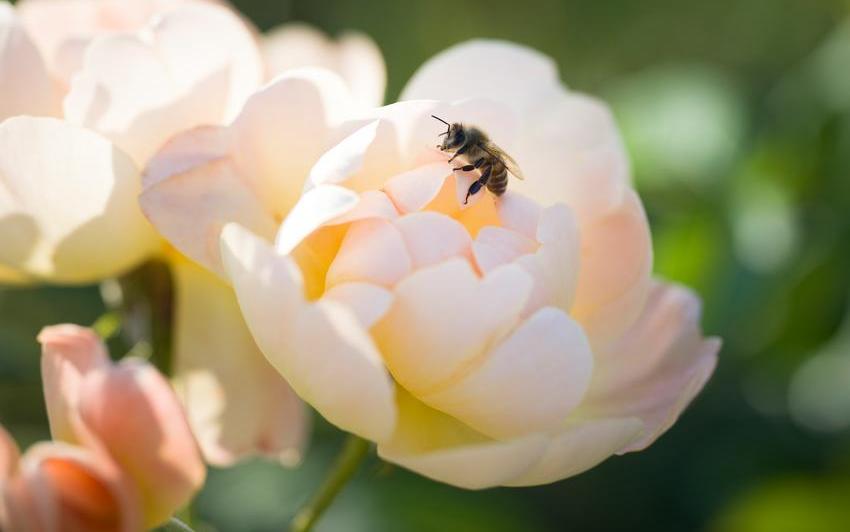
Vegetable productivity relies heavily on insect activity. Single and semi-double roses feature open centres, making nectar and pollen highly accessible to beneficial insects. Tightly petalled varieties block pollinators, but open-centred roses actively draw honeybees, bumblebees, and hoverflies into your garden.
Planting these varieties near courgettes, peas, runner beans, squash, or orchard fruit trees creates a thriving ecosystem. The increased insect traffic naturally improves pollination rates, resulting in higher yields and better-formed fruit on your crops.
Harness the Power of Companion Planting
Pairing roses with vegetables does more than just look pretty. It creates a hard-working ecosystem where plants help each other thrive. Here are some of the easiest companion plants to get beginners started:
- Garlic and Chives (Alliums): Planting garlic, chives, or onions around the base of your roses is an old gardening secret. The strong sulphur scent of alliums acts as a natural deterrent for common rose pests like aphids. Even better, it helps protect your roses from blackspot and fungal diseases.
- Lavender and Catmint (Nepeta): These purple-flowered perennials look incredible planted alongside roses, but they have a highly practical purpose too. They act as a magnet for beneficial insects, keeping your plot buzzing with pollinators. Their aromatic foliage also helps mask the scent of tender crops, confusing hungry pests.
- French Beans and Runner Beans: Legumes are fantastic neighbours because they fix nitrogen into the soil, which feeds the surrounding plants. Growing climbing beans up a shared archway next to a climbing rose creates a beautiful, space-saving focal point. The rose flowers draw in the bees needed to pollinate the bean blossoms, directly boosting your crop yield.
- Marigolds and Nasturtiums: These easy-to-grow annuals are essential for any beginner's allotment. Marigolds emit a scent that repels harmful nematodes in the soil, while nasturtiums act as a clever trap crop. Pests like caterpillars and aphids will attack the nasturtiums instead of ruining your prize roses or cabbages.
Harvest Alternative Food Crops and Cut Flowers
Roses earn their keep by providing direct, usable rewards for both the kitchen and the home:
- Nutritious Rose Hips: Leaving the late-summer flowers to fade allows many varieties to develop bright orange or red hips by autumn. These fruits are packed with Vitamin C and can be harvested to make therapeutic herbal teas, sweet syrups, or tangy winter jellies.
- Stems for the Vase: A truly practical garden should feed your home environment as well as your kitchen table. A few freshly cut stems brought indoors provide simple, seasonal pleasure alongside your baskets of home-grown greens.
Improve the Allotment Microclimate
Vegetable gardening is physically demanding work. Integrating a rose over an entry archway or next to a resting bench transforms your workspace into a sanctuary. It adds calming scent, dynamic movement, and a functional place to pause and recuperate. Furthermore, larger shrub roses act as excellent windbreaks, creating a sheltered microclimate that protects tender young vegetable seedlings from chilling gusts.
-
The Rose Year BeginsFall brings a distinct richness that invites us to slow down and notice the changes. Leaves turn shades of amber and gold, while the lower, softer light catches the borders in the late afternoon. As cooler mornings bring heavy dew and that unmistakable, earthy scent of damp soil, the garden gradually settles down for the season.

-
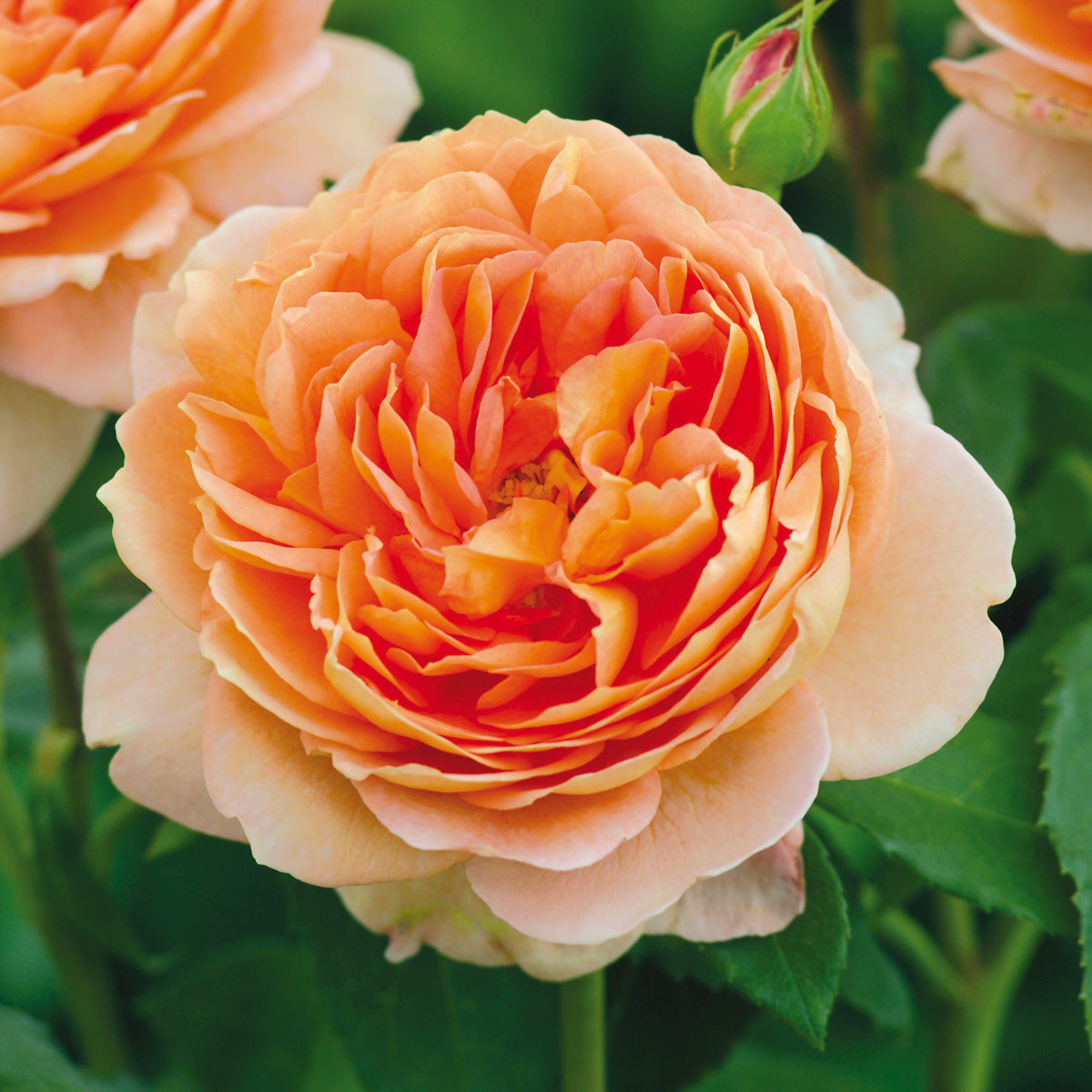
Roses with Large Blooms: Varieties for Garden ImpactA rose in full flower can transform a garden. Large, many-petalled blooms draw the eye through a border, bring colour to a quiet corner or create a beautiful focal point when grown in a pot.

-
Best Fragrant Roses for Autumn: Scent and Colour Beyond SummerThe fragrance of a rose is never quite fixed. Temperature, humidity, time of day and even the stage of the flower can all influence how its scent is released and experienced. As the warmth of summer begins to soften into autumn, cooler mornings and greater moisture in the air create different conditions for fragrance, and a familiar rose can reveal itself in a rather different way.

-
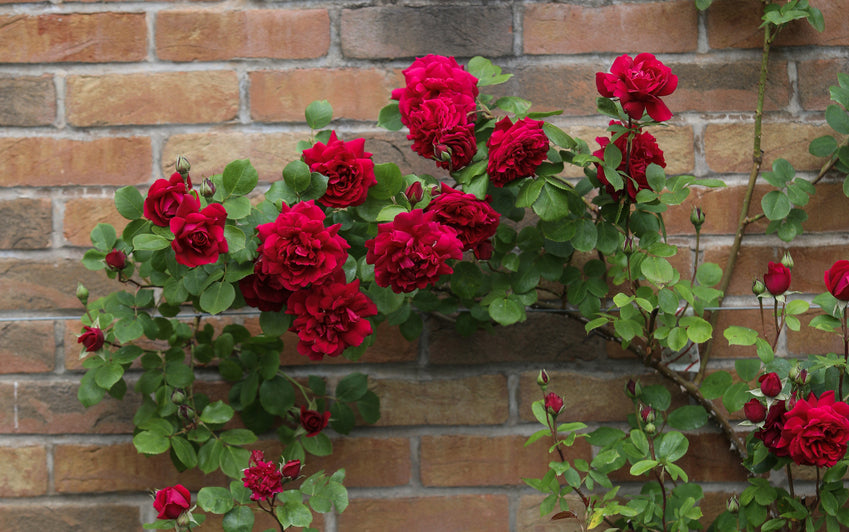
Using Red Roses to Bring Richness and Depth to the GardenA red rose has a wonderfully compelling presence in the garden. Amongst a sea of green, even a glimpse of crimson catches the eye, drawing you closer for another look. Red can sometimes have a reputation for being difficult to use, particularly alongside softer colours. Yet the palette is far more varied than we might first imagine. From clear crimson to deep, velvety tones, red roses can bring warmth, richness and depth to a garden without overwhelming it.
-
Roses for the Last Night of the PromsThere are few evenings quite like the Last Night of the Proms. Familiar melodies fill the Royal Albert Hall, the audience joins in and music heard and loved for generations is given fresh life once more. This year’s programme got us thinking about the curious connections between music, stories and the names of some of our roses. From Elgar and the Malvern Hills to Britain’s long relationship with the sea, each offers a thread to follow from the concert hall into the garden.
-
Climbing Roses for Arches, Obelisks and PillarsThere is always room for another rose. When borders are full, the answer is often simply to look upwards. Climbing roses can transform arches, obelisks and pillars into wonderfully abundant garden features, bringing flowers and fragrance to eye level and above. They can tumble over an entrance, rise from the middle of a border or soften a simple post with foliage and bloom. And, with the right rose and a little thoughtful training, they need surprisingly little ground space to make quite an impression.