
Climbing Roses for Arches, Obelisks and Pillars
There is always room for another rose. When borders are full, the answer is often simply to look upwards.
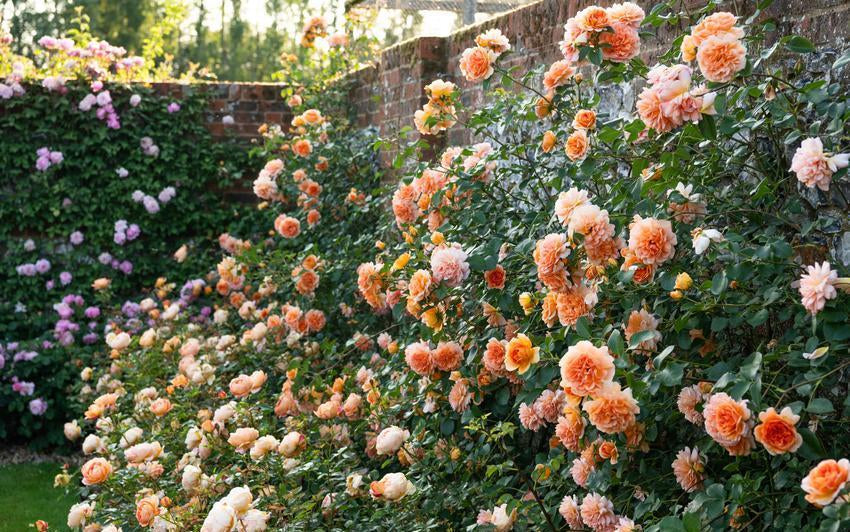
Climbing roses can transform arches, obelisks and pillars into wonderfully abundant garden features, bringing flowers and fragrance to eye level and above. They can tumble over an entrance, rise from the middle of a border or soften a simple post with foliage and bloom. And, with the right rose and a little thoughtful training, they need surprisingly little ground space to make quite an impression.
Choosing the Right Climbing Rose
Before falling for a particular rose, it is worth thinking about where you would like it to grow. The size and shape of its support will help determine which variety will be happiest there.
Climbing roses generally have stronger, stiffer stems, while ramblers tend to be more relaxed and flexible. This can make smaller ramblers particularly easy to weave around an arch or pillar. There are exceptions, of course, and most young rose stems can be gently persuaded in the direction you would like them to grow.
Size matters too. Roses are at their best when they have the freedom to reach their natural proportions, rather than being continually cut back to fit. The eventual height will vary according to soil, light, weather and care, and most roses will take around three to five years to reach their full potential.
There is no need to send every stem straight upwards. In fact, training stems diagonally, horizontally or in a gentle spiral often encourages more flowering shoots and creates a fuller display.
Looking for inspiration?
Discover the beauty and possibilities of growing established climbing roses through arches, obelisks and pillars.
Roses for Arches
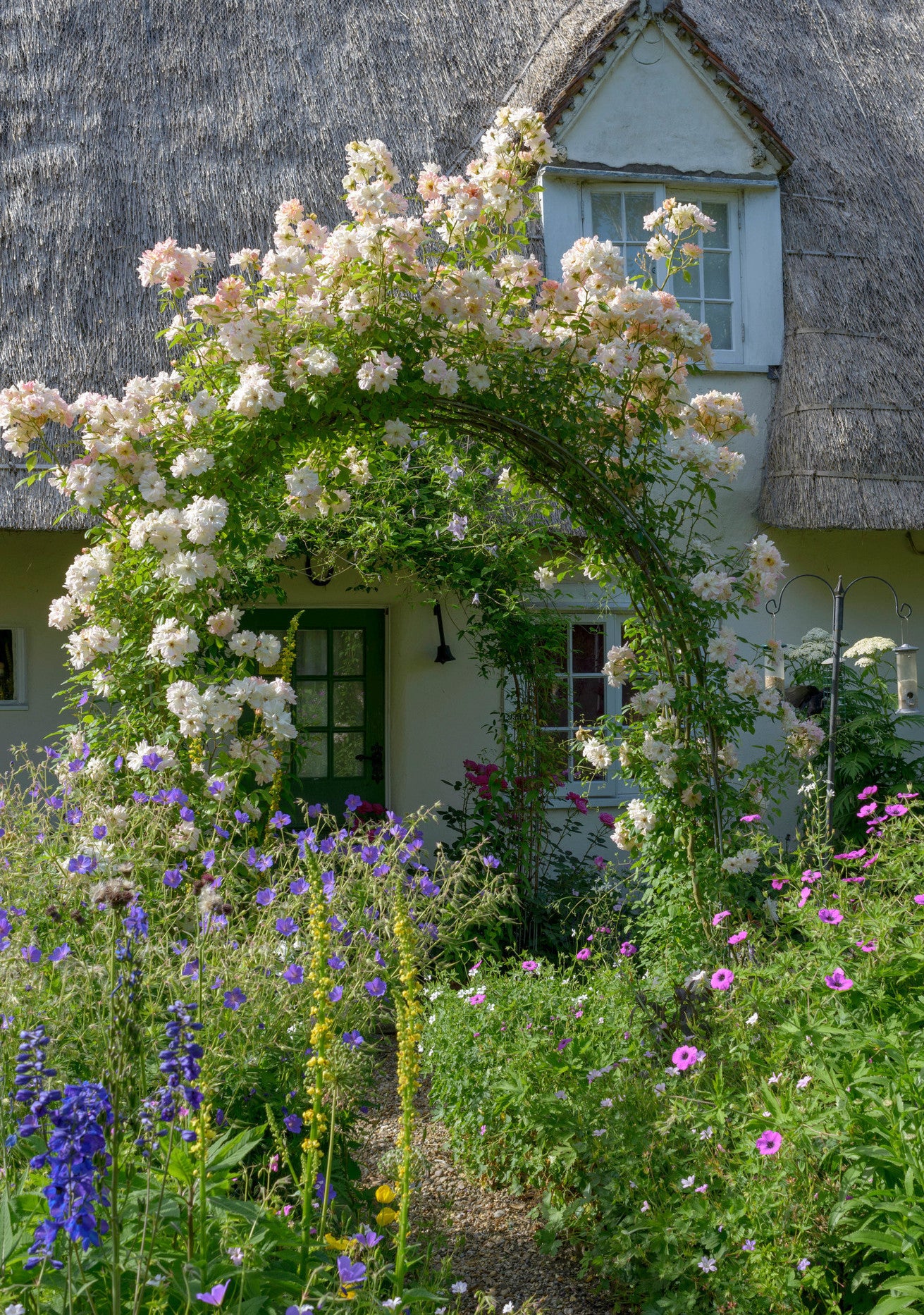
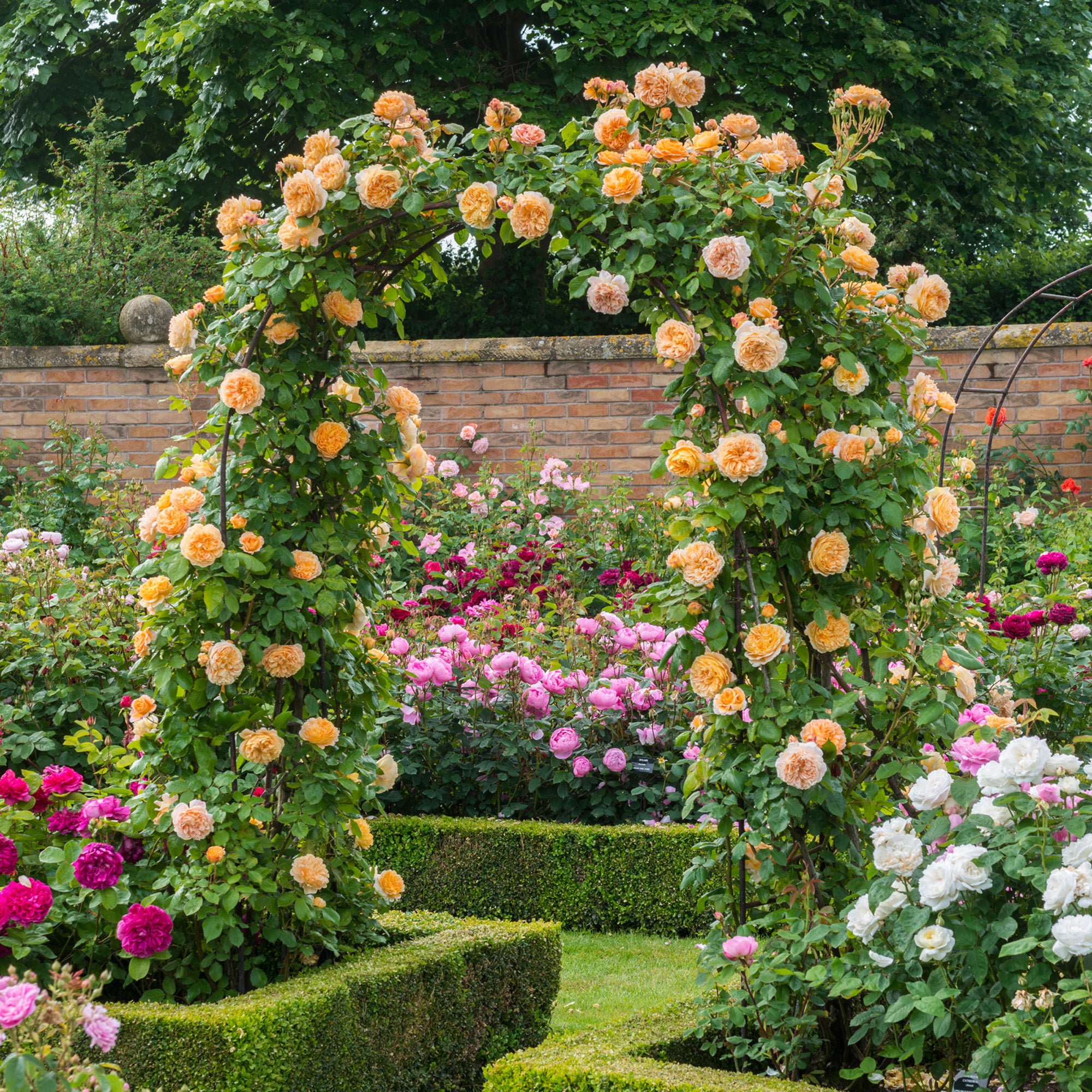
Few things are quite as inviting as a rose-covered arch. Placed over a path or at the entrance to another part of the garden, it draws you onwards, with flowers and fragrance spilling overhead.
For a beautifully generous display, we recommend planting two roses, one on either side of the arch, and training them upwards until they meet. This creates much better coverage than asking one rose to travel all the way over and down the other side.
As the stems grow, gently tie them to the arch, encouraging some to travel diagonally rather than simply upwards. On narrower arches, young stems can even be carefully zig-zagged or spiralled around the structure. This not only creates a softer, more natural effect but can encourage more flowering shoots along the stems.
Repeat-flowering climbers are a lovely choice for flowers throughout summer, while smaller ramblers bring a wonderfully informal character to an arch.
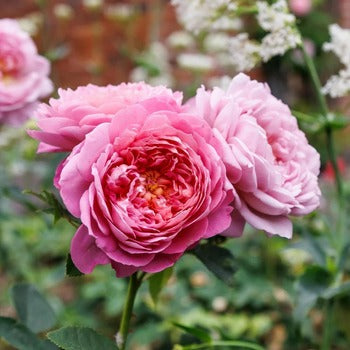
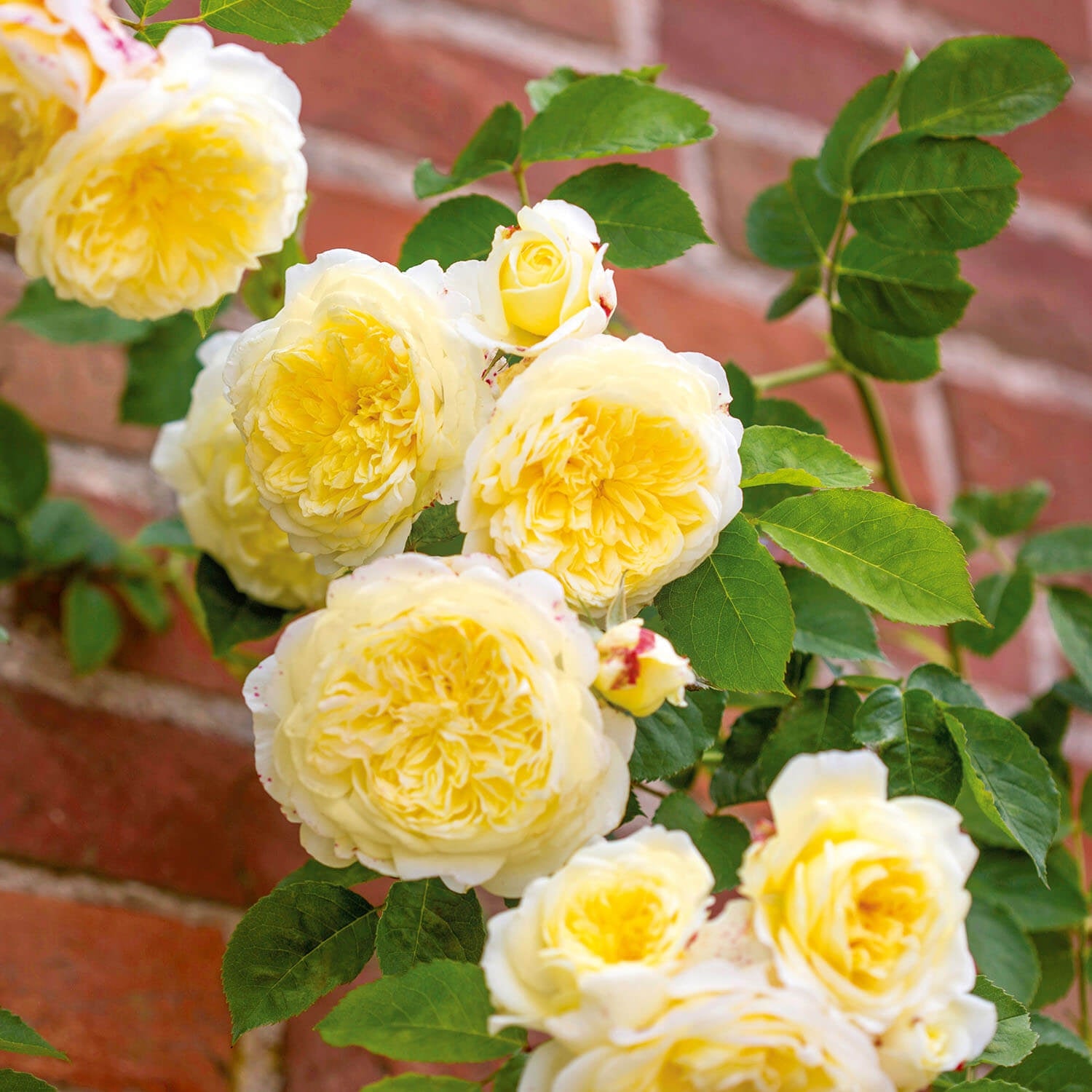
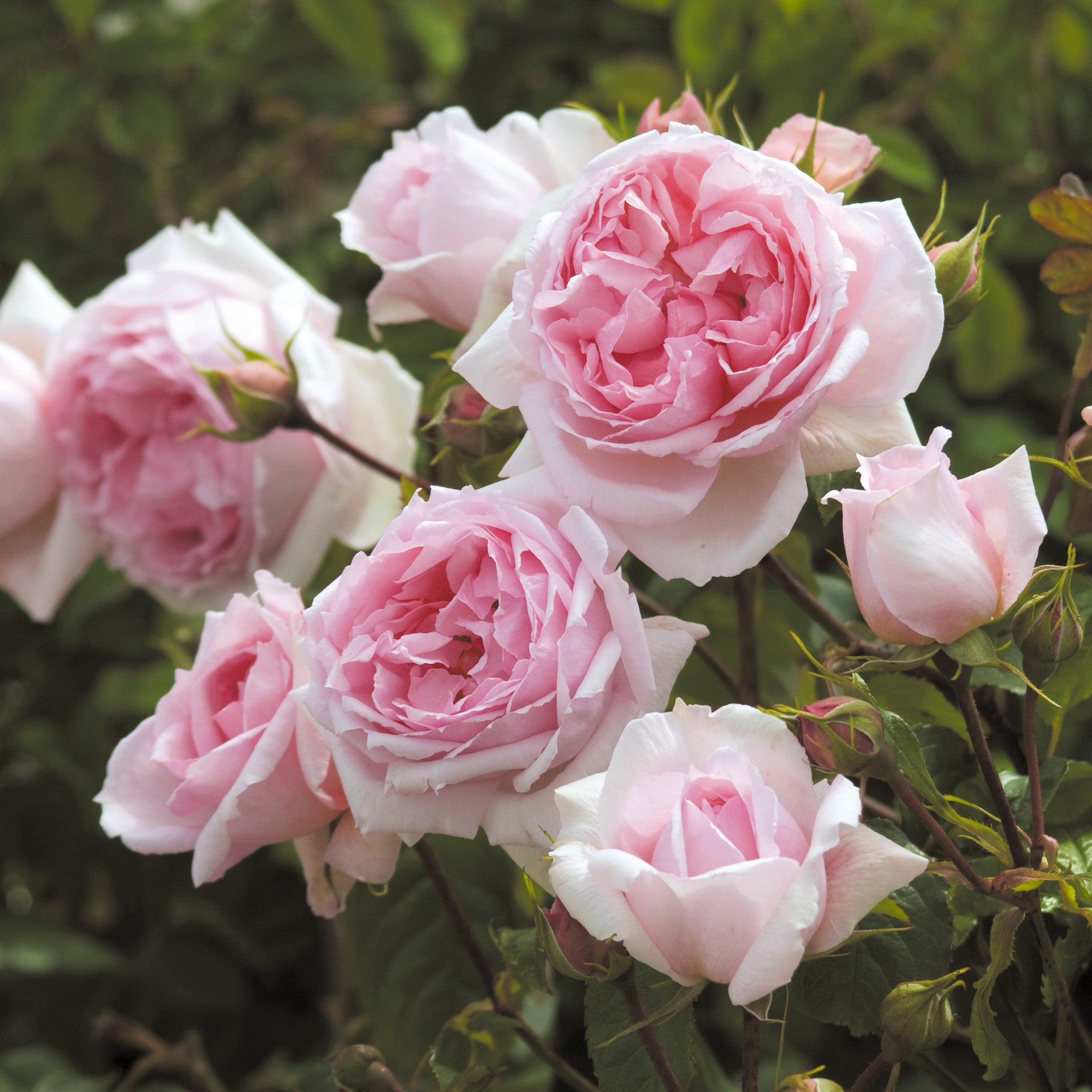
 Mary Delany® (Ausorts)English Climbing Rose
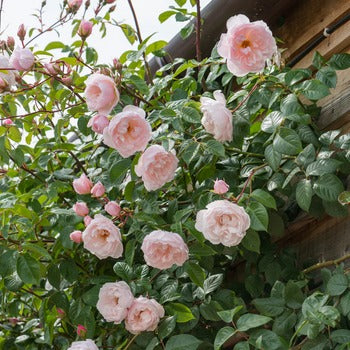
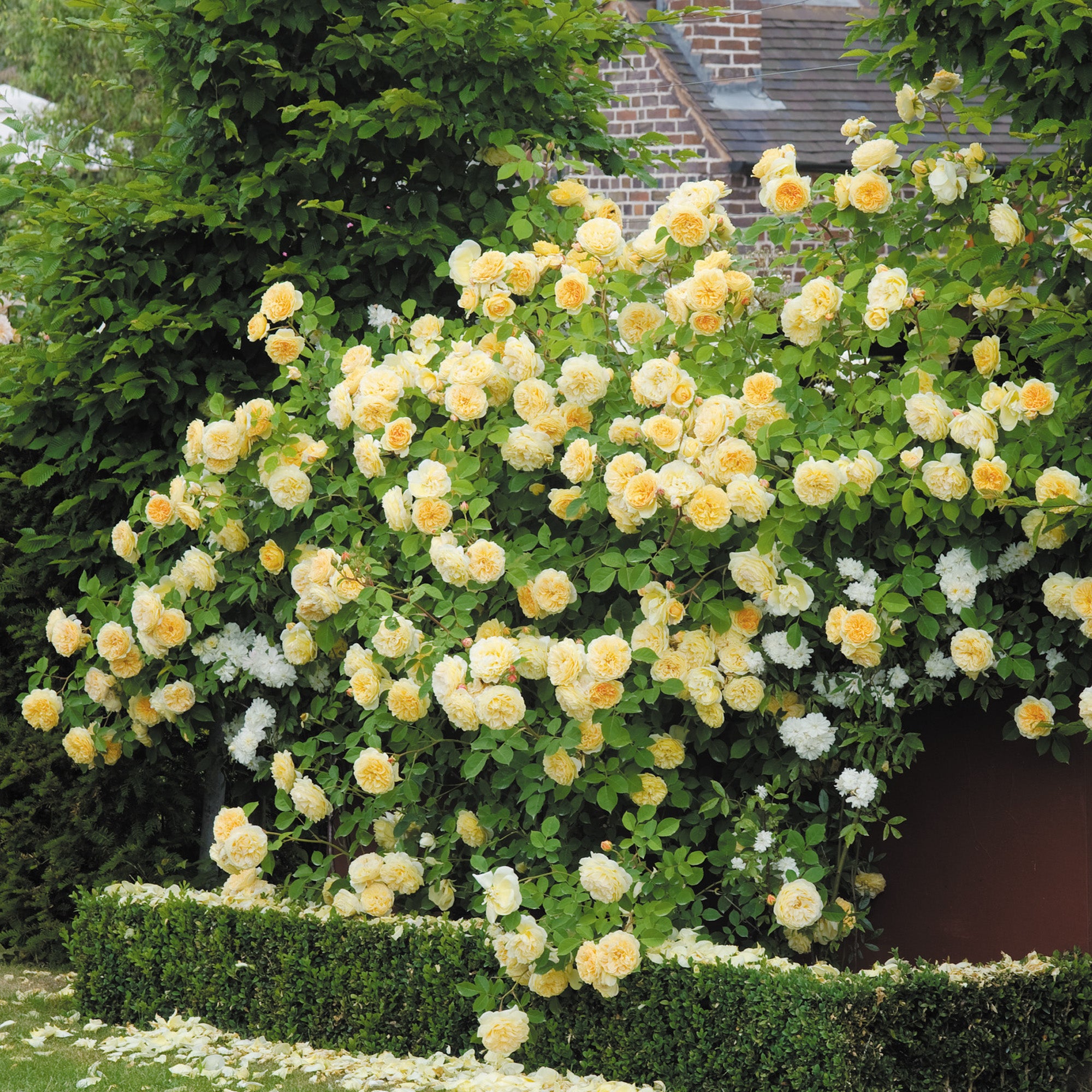
 Francis E. LesterRambling Rose
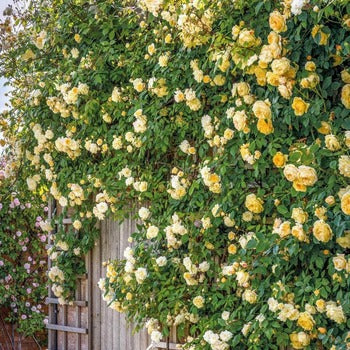
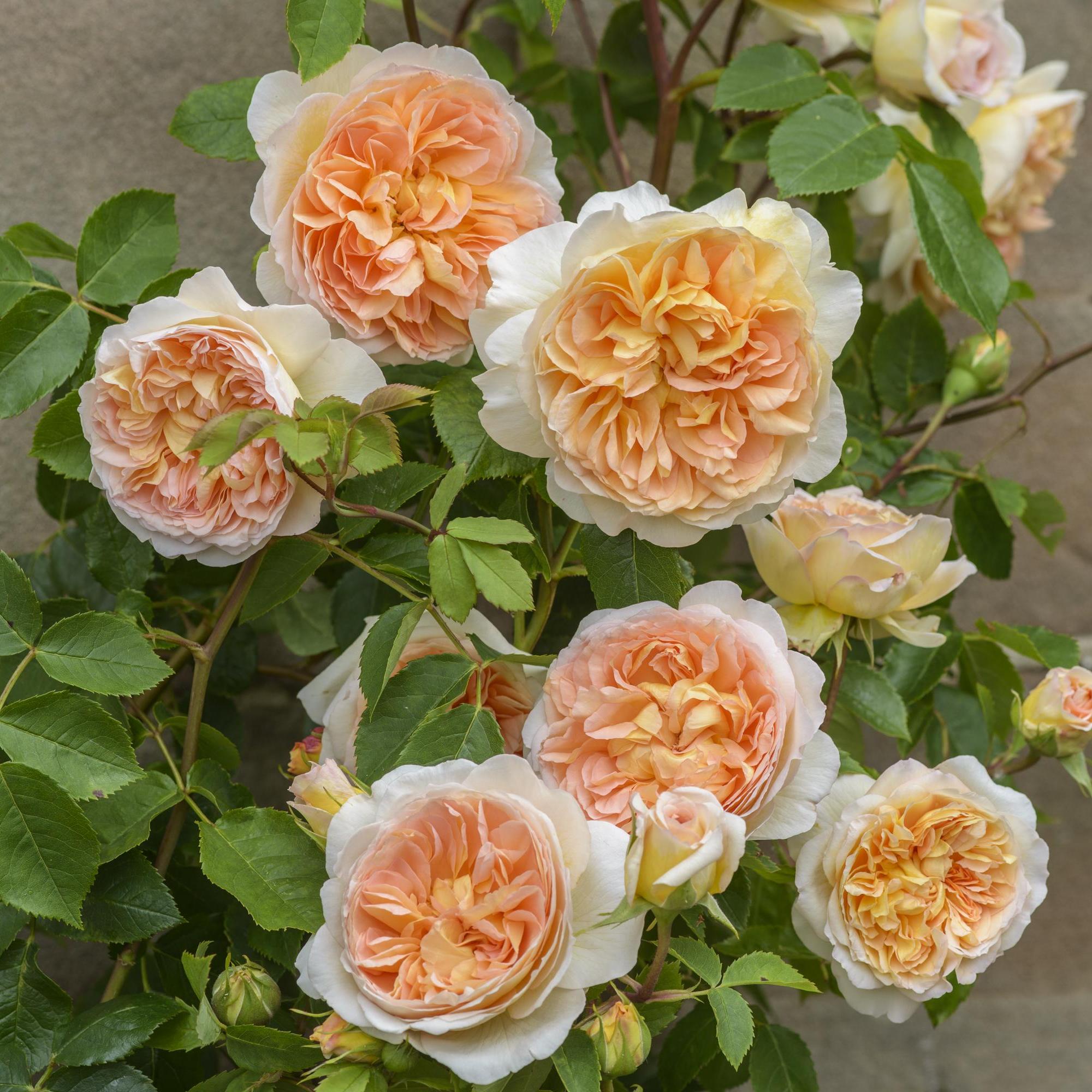
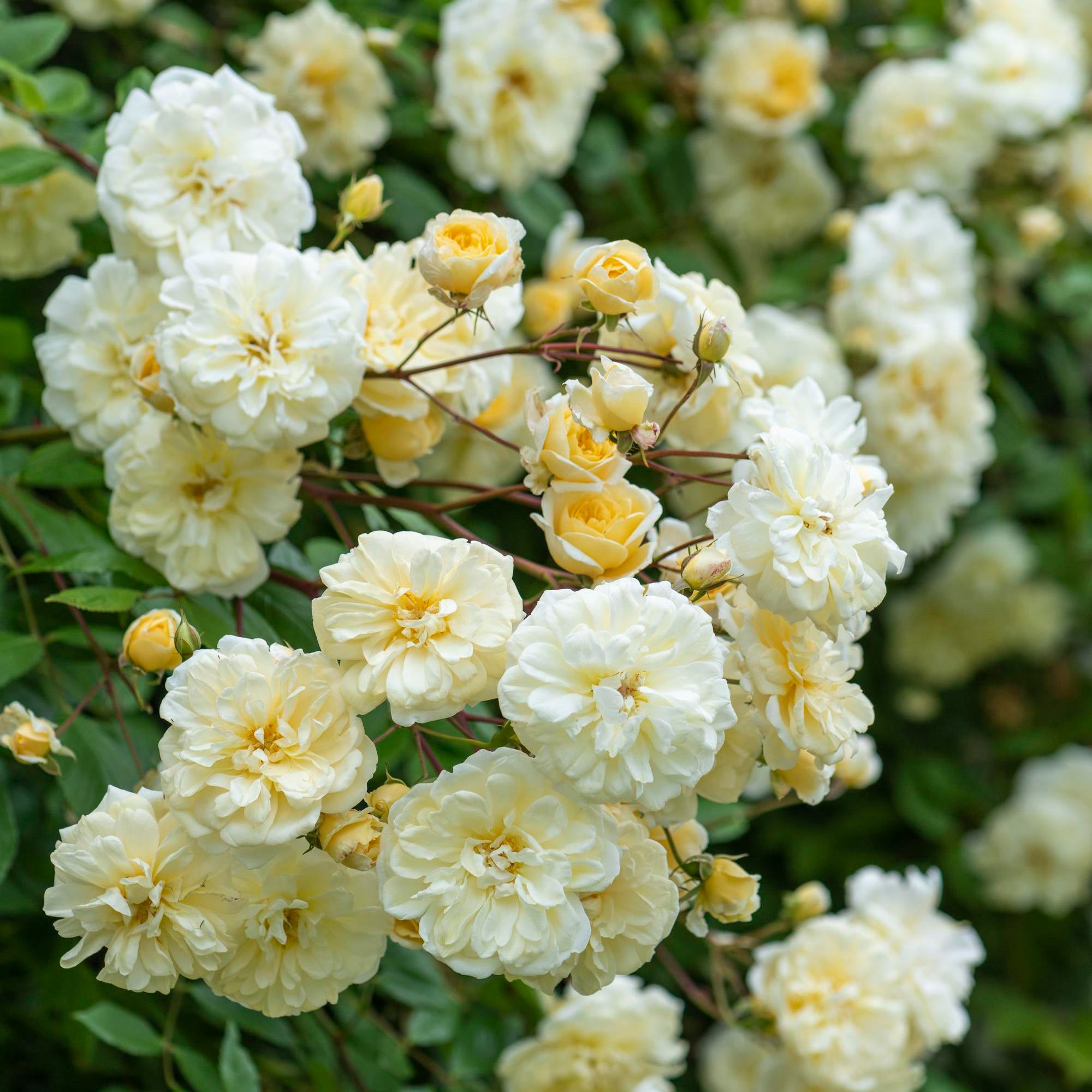
 Phyllis BideRambling Rose


Roses for Obelisks
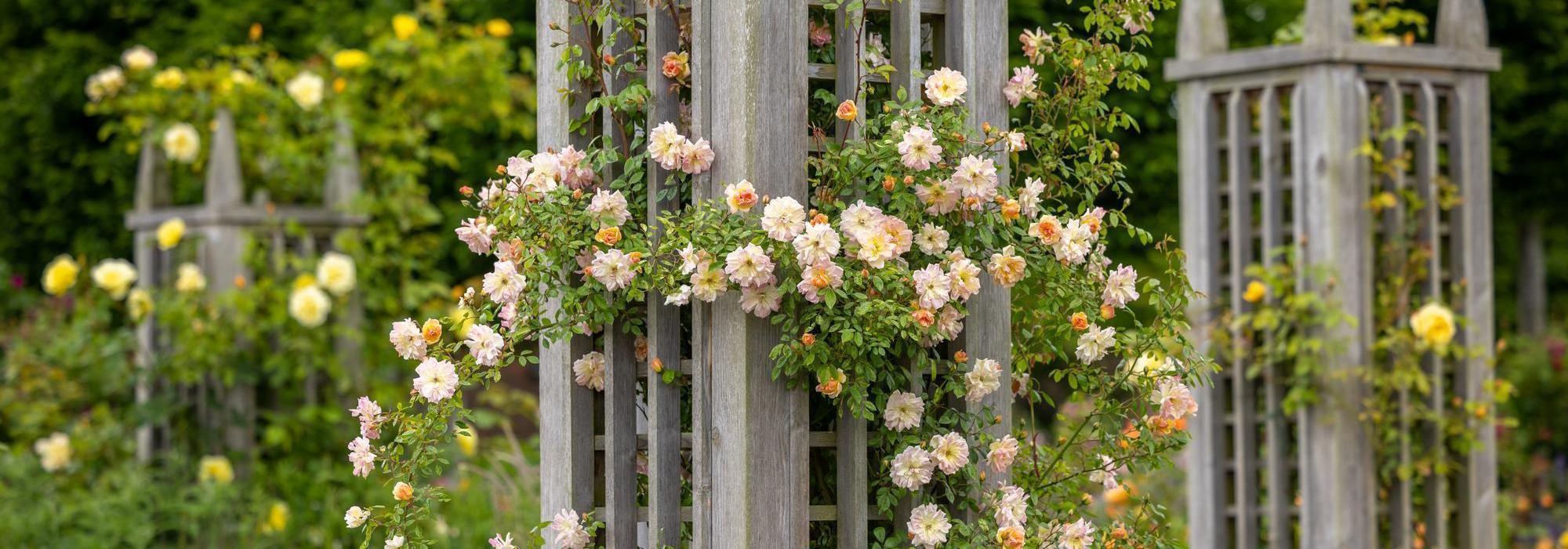
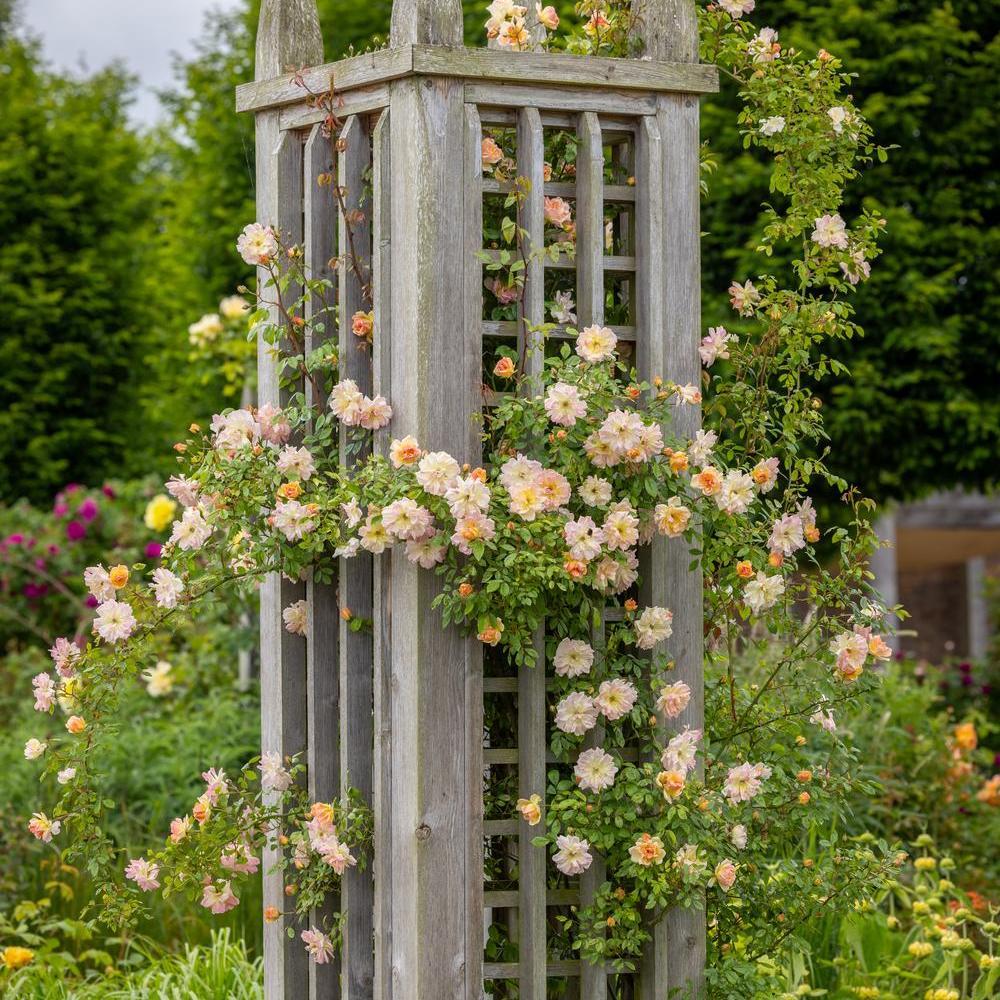
An obelisk offers one of the easiest ways to introduce a climbing rose into a border. Rising through perennials and shrubs, it brings another layer of flowers above the planting below and can turn even a relatively small space into something wonderfully romantic.
Roses reaching around 6–8ft are particularly useful for many garden obelisks. A slightly taller climber can work too, provided there is enough room to train its stems around rather than simply up the structure.
While the stems are still young and pliable, guide them in a loose spiral around the outside of the obelisk and tie them in as you go. By taking this slightly longer journey upwards, the stems are encouraged to produce flowering side shoots along their length, helping to clothe the structure in bloom rather than concentrating flowers only at the top.


Roses for Pillars
A pillar may seem an unassuming starting point, but give it a climbing rose and it can become one of the prettiest features in the garden.
Porch pillars, posts and other upright supports are all opportunities to bring roses into places where there may be little room for planting. Fragrant varieties are particularly rewarding beside an entrance or somewhere you pass regularly.
Rather than allowing the stems to make a dash for the top, gently guide them around the pillar as they grow. A loose spiral or zig-zag makes better use of the available space and encourages flowering shoots along the stems, creating a more generous display from top to bottom.
Just remember that a mature climbing rose carries considerable weight, so its support should be strong enough to accommodate it for many years to come.
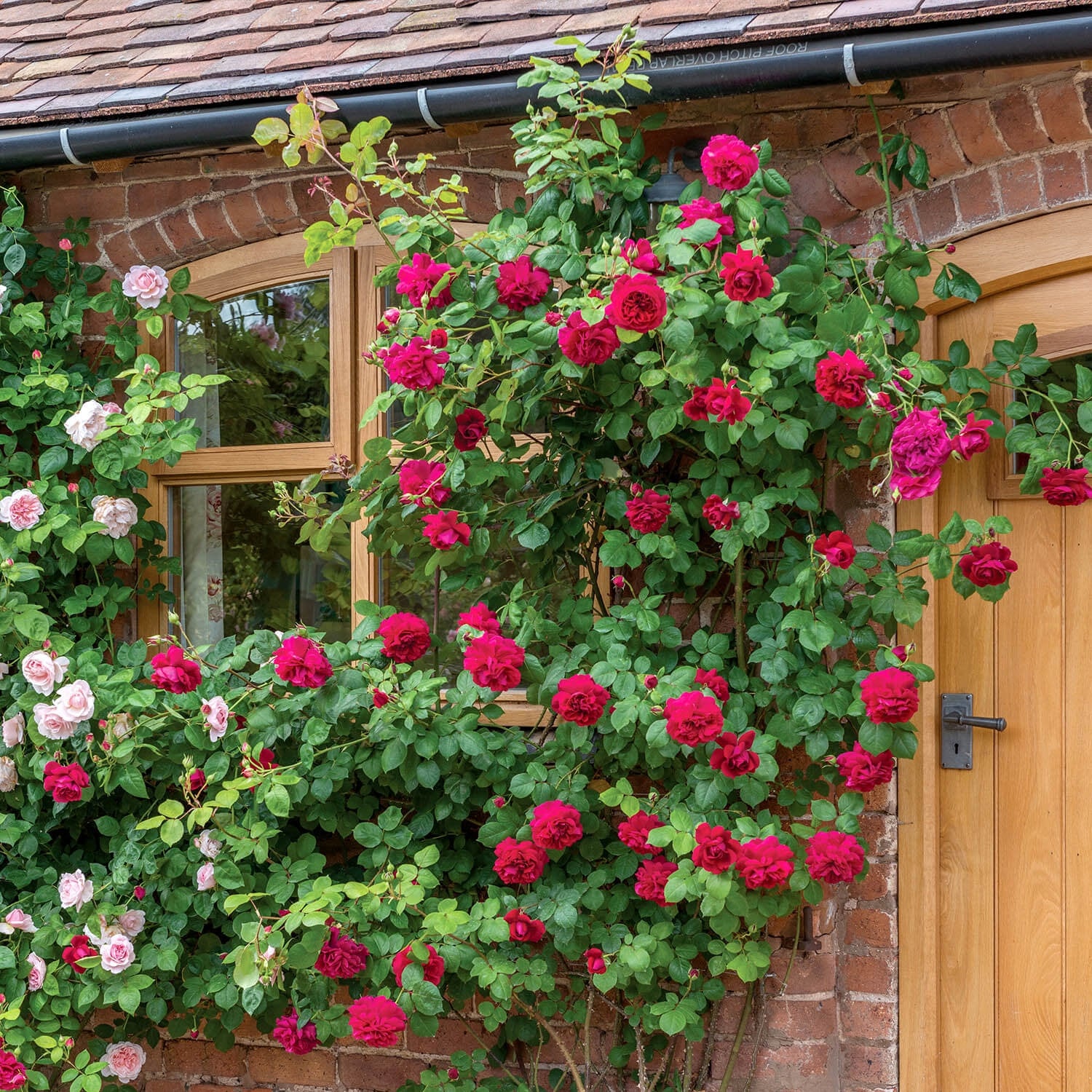
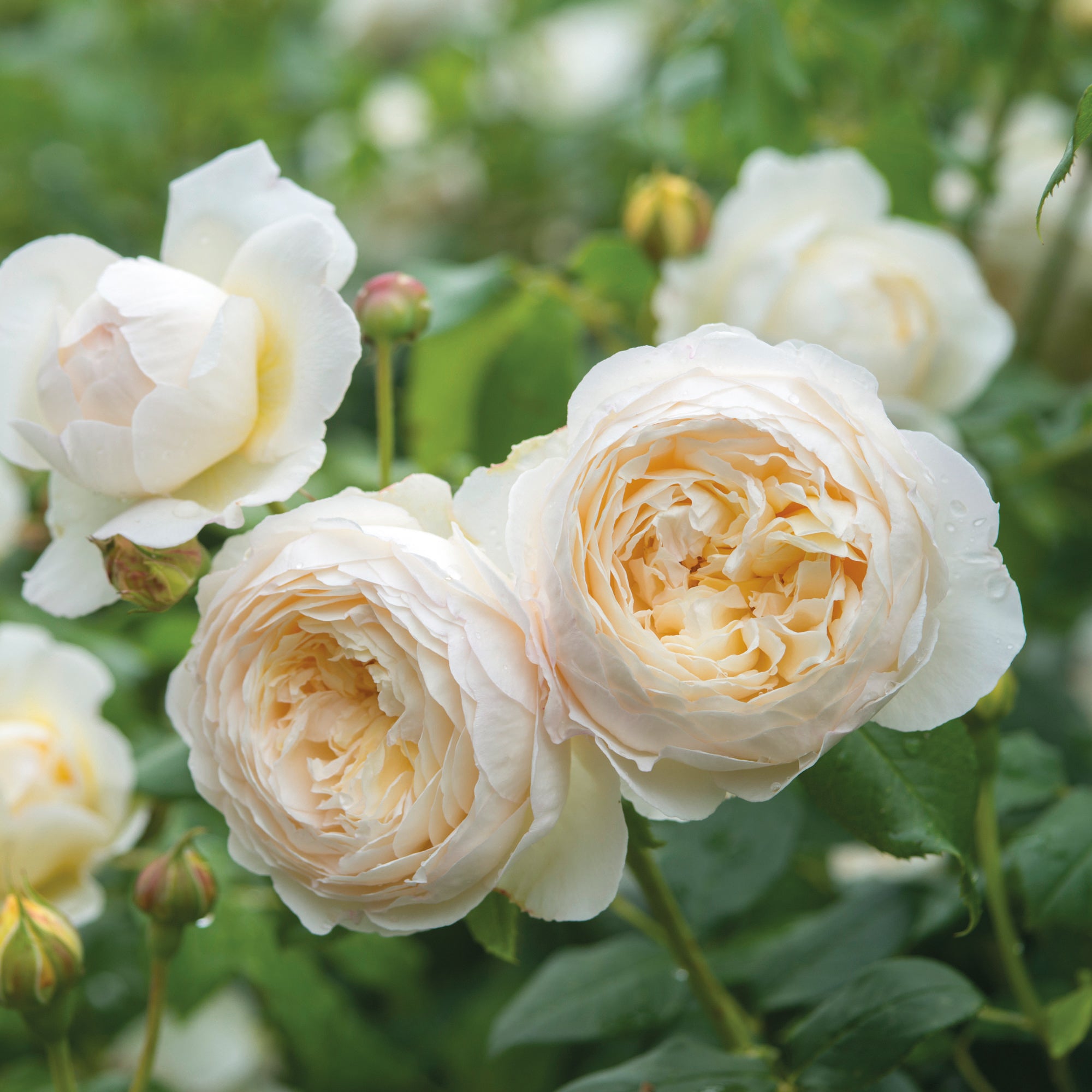
 The Generous Gardener® (Ausdrawn)English Climbing Rose
 Adélaïde d'OrléansRambling Rose
 The Lady of the Lake® (Ausherbert)English Rambling Rose


Choosing the Right Position
Most climbing roses are happiest somewhere light and airy, with at least four hours of direct sunlight each day. Before planting, look at what surrounds the spot too. Buildings, trees and established shrubs can all cast shade, while their roots may compete with your rose for water and nutrients.
Give the roots room to establish by planting at least 18in (45cm) away from a solid pillar or post, and leave a similar distance from shallow-rooted plants. More space is advisable around established trees, shrubs and hedges.
If you are planting beside a solid structure, position the rose at roughly a 45-degree angle towards its support. This gives the roots room below ground while gently pointing the stems in the direction you would like them to travel.
Training Your Climbing Rose
Climbing roses do not cling by themselves, so they will need your help as they grow. Fortunately, this is one of those small gardening jobs that rewards regular attention.
Keep an eye on new stems through the growing season and tie them in while they are still soft and flexible. It will protect them from being caught by the wind and, just as importantly, gives you the opportunity to shape the rose before its stems become older and less pliable.
Try to fan, spiral or angle the growth wherever the structure allows. The aim is not perfect symmetry. A climbing rose is at its loveliest when it has been given enough guidance to flower generously, while still retaining something of its own natural character.
And perhaps that is the real pleasure of growing roses upwards. A simple arch, obelisk or pillar gradually disappears beneath leaves and flowers, becoming less a support for the rose and more a part of the garden itself.
-
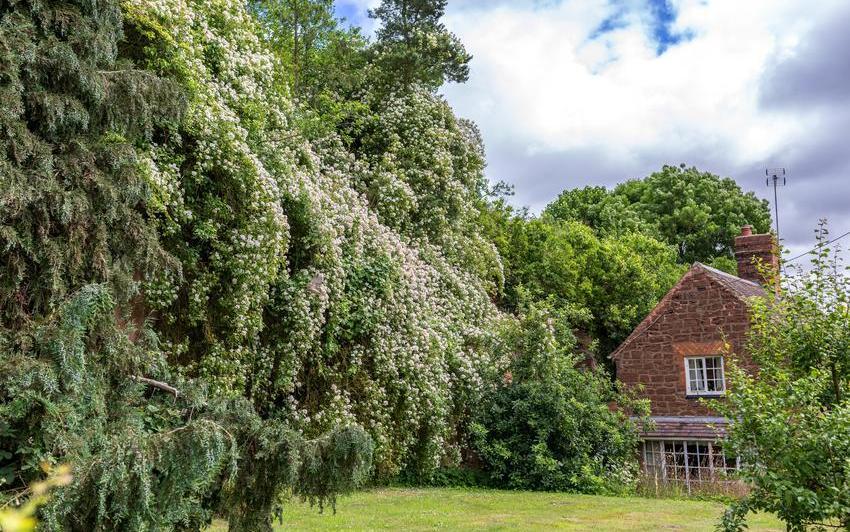
How to Plant and Grow a Rambling Rose Up a TreeRambling Roses have a natural affinity with trees. Their long, vigorous stems can be encouraged upwards into the branches, where they gradually weave through the canopy and open their flowers amongst the leaves. As the rose matures, the effect becomes increasingly natural, with great trusses of bloom appearing high above the ground and tumbling softly from the branches..
-
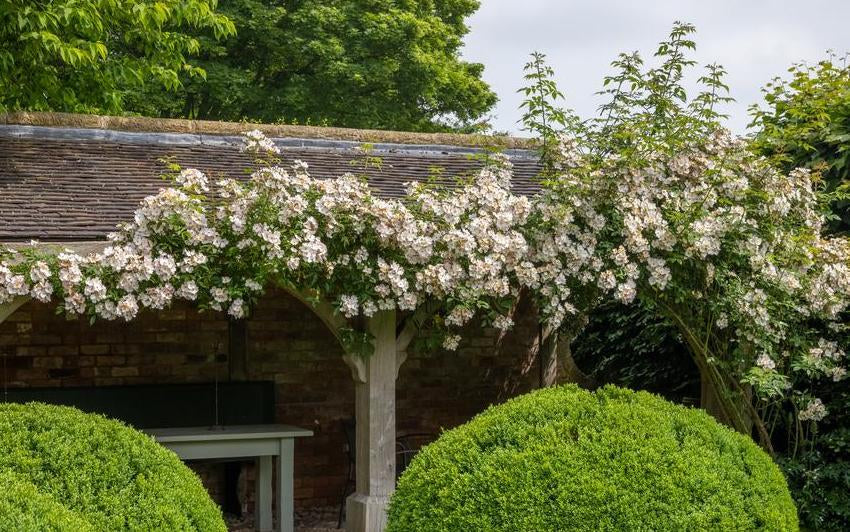
How to Grow Climbing and Rambling Roses Over a PergolaBy early summer, a pergola clothed in roses can bear little resemblance to the structure beneath. Strong posts disappear behind leafy stems, flowers gather at eye level and, overhead, long canes wander from beam to beam, carrying loose clusters of bloom with them. On warm days, fragrance lingers beneath the canopy and fallen petals scatter the path below.
-
Climbing and Rambling Roses for Doorways and the Front of Your HouseThe entrance to your home is the first thing visitors see and the first view you enjoy each time you return. A climbing rose can completely transform a front door, soften the façade of a house or bring colour and fragrance to an otherwise ordinary wall. Whether you're looking to frame a doorway, brighten the front of your house or make the most of a small front garden, climbing and rambling roses offer a beautiful way to add height, character and seasonal interest.

-
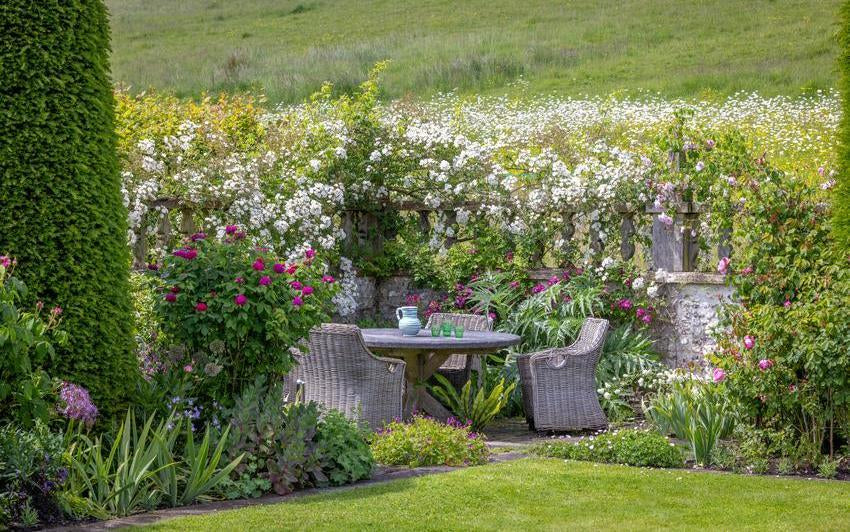
Climbing Roses and Rambling Roses: Understanding the DifferenceClimbing roses and rambling roses each bring height, fragrance and beauty to the garden, but they do so in different ways. While both can transform walls, arches and pergolas, understanding their unique growing habits will help you choose the right rose for your space and enjoy its full potential for years to come.
-
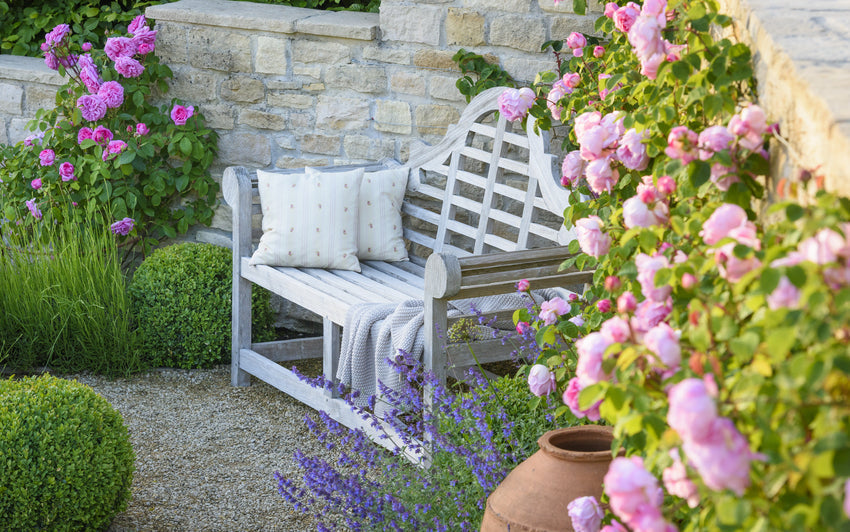
Garden Seating Ideas: How to Create a Beautiful Rose-Filled RetreatA well-placed seat can completely change the way you experience your garden. It creates a destination, encourages you to slow down and offers the opportunity to enjoy the beauty and fragrance of your roses from a different perspective.
-
Think Beyond the Border: Growing Shrub Roses as Short ClimbersWhen choosing a rose for a garden wall, arch, or obelisk, most gardeners naturally turn to the traditional climbing section of the catalogue. Yet, the perfect vertical accent for your garden might not be a conventional climber at all.