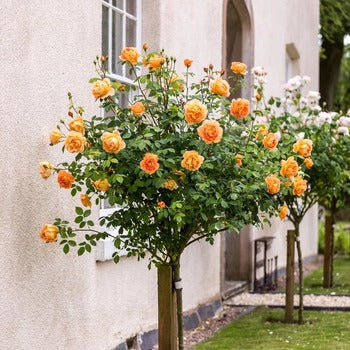

Think Beyond the Border
When choosing a rose for a garden wall, arch, or obelisk, most gardeners naturally turn to the traditional climbing section of the catalogue. Yet, the perfect vertical accent for your garden might not be a conventional climber at all.
Growing Shrub Roses as Short Climbers
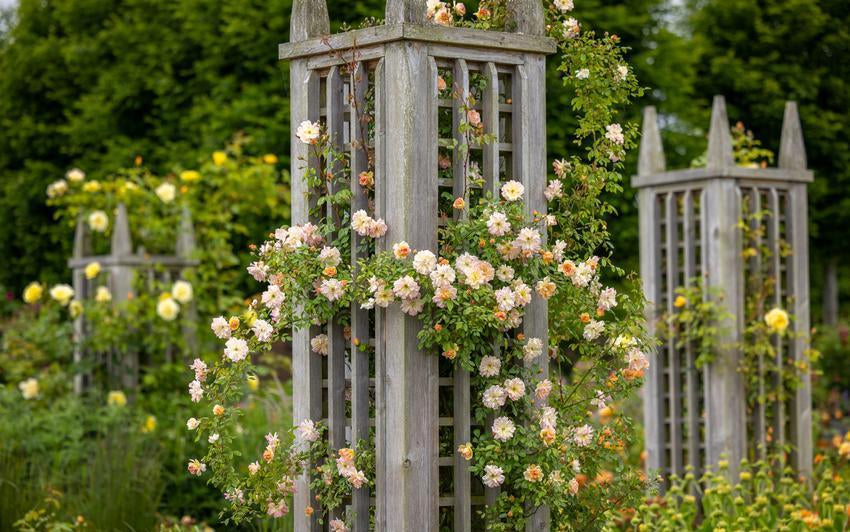
With a simple shift in how you prune and train them, several exceptional English Shrub Roses can be guided to grow as magnificent short climbers. They offer a wonderfully versatile, space-saving option for compact gardens, bringing height, structure, and elegance without the overwhelming scale of a traditional climber.
The Secret Lies in the Pruning
With a simple shift in how you prune and train them, several exceptional English Shrub Roses can be guided to grow as magnificent short climbers. They offer a wonderfully versatile, space-saving option for compact gardens, bringing height, structure, and elegance without the overwhelming scale of a traditional climber.
- The Shrub Approach: Typically, an English Shrub Rose is pruned by reducing the previous season's growth by one-third to one-half. This maintains a rounded, bushy shape ideal for the middle of a border.
- The Climber Approach: To encourage upward growth, a much lighter touch is required. Rather than shortening the stems, allow the strongest, longest shoots to develop their full length, gently tying them into your support structure as they grow. Remove only dead, damaged, or crossing wood, and lightly trim the side shoots.
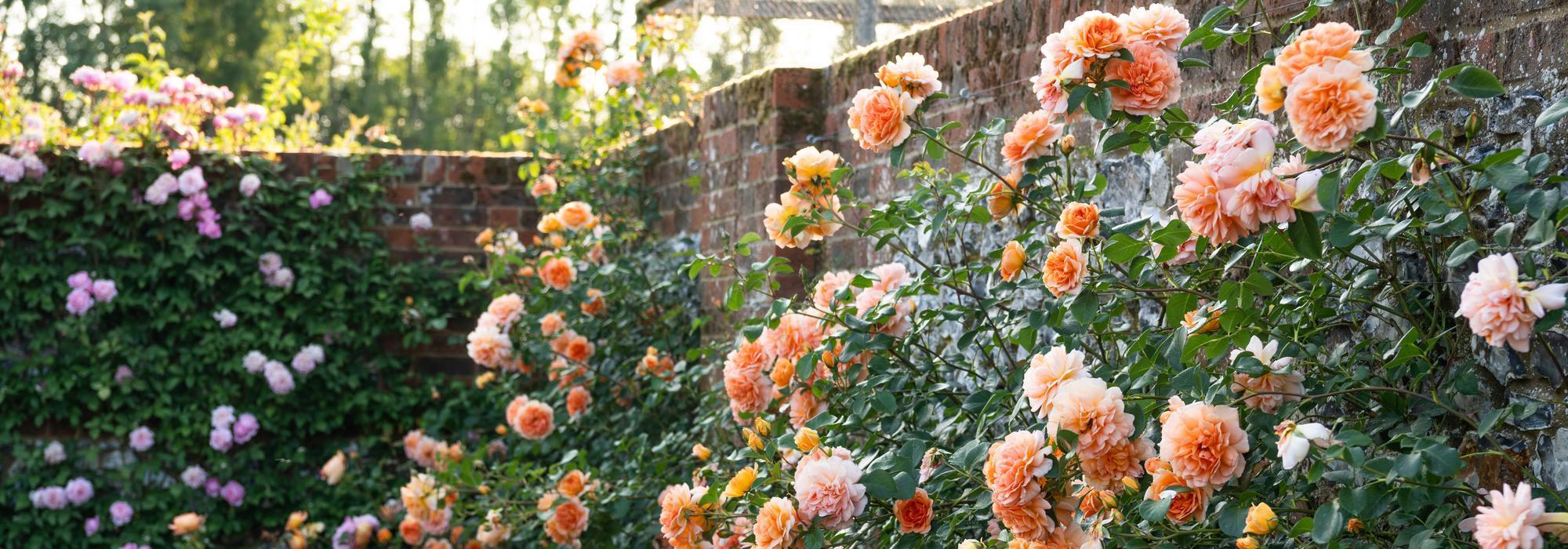
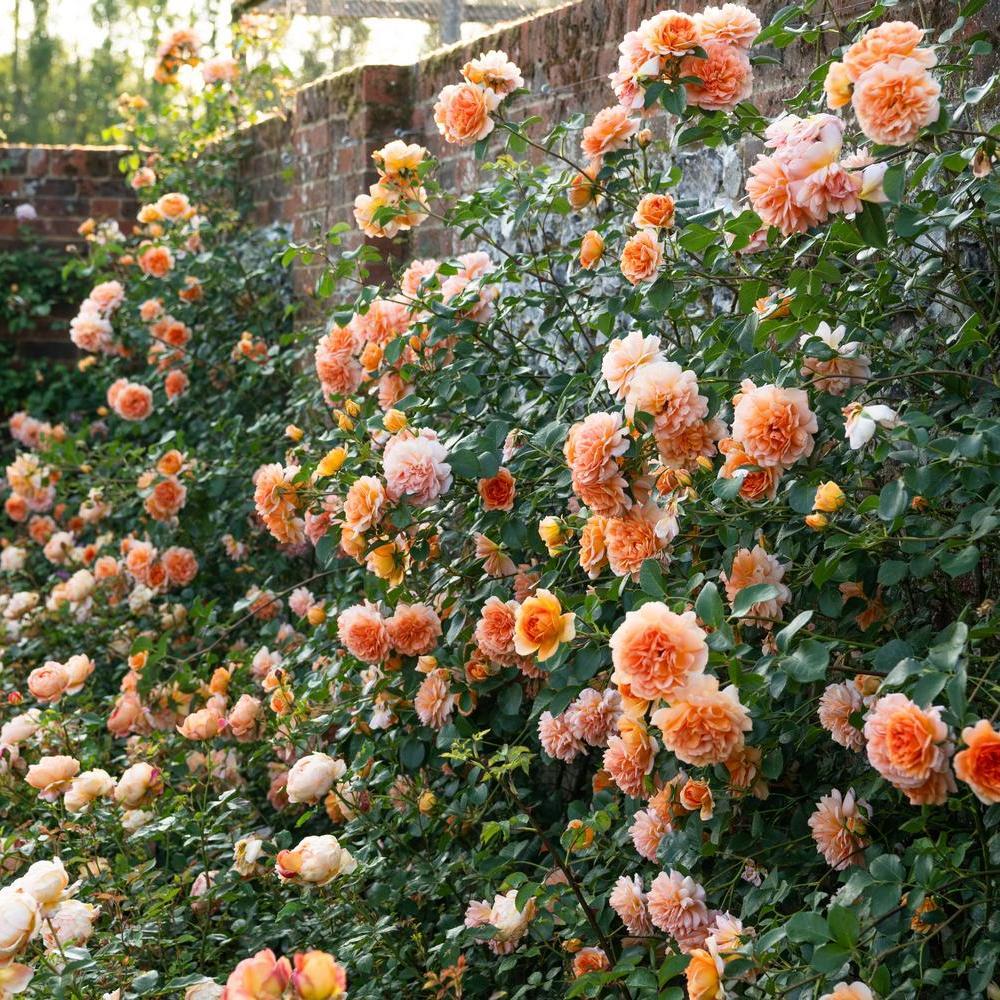
Over time, these longer stems establish a permanent framework. They will gracefully wrap an obelisk, frame a doorway, or blanket a sunny wall in an abundance of blooms.
Mastering the Horizontal Twist
To achieve the most spectacular display, avoid training the main stems completely straight up. Gently pulling and tying the stems at a 45-degree angle or horizontally alters the flow of sap within the plant. This encourages the rose to produce flowering side shoots along the entire length of the stem, rather than just at the very tip, resulting in a dense wall of colour.
Exceptional Varieties for Vertical Training
While not all shrub roses suit this method, these English varieties possess the ideal growth habit and flexibility for vertical structures:
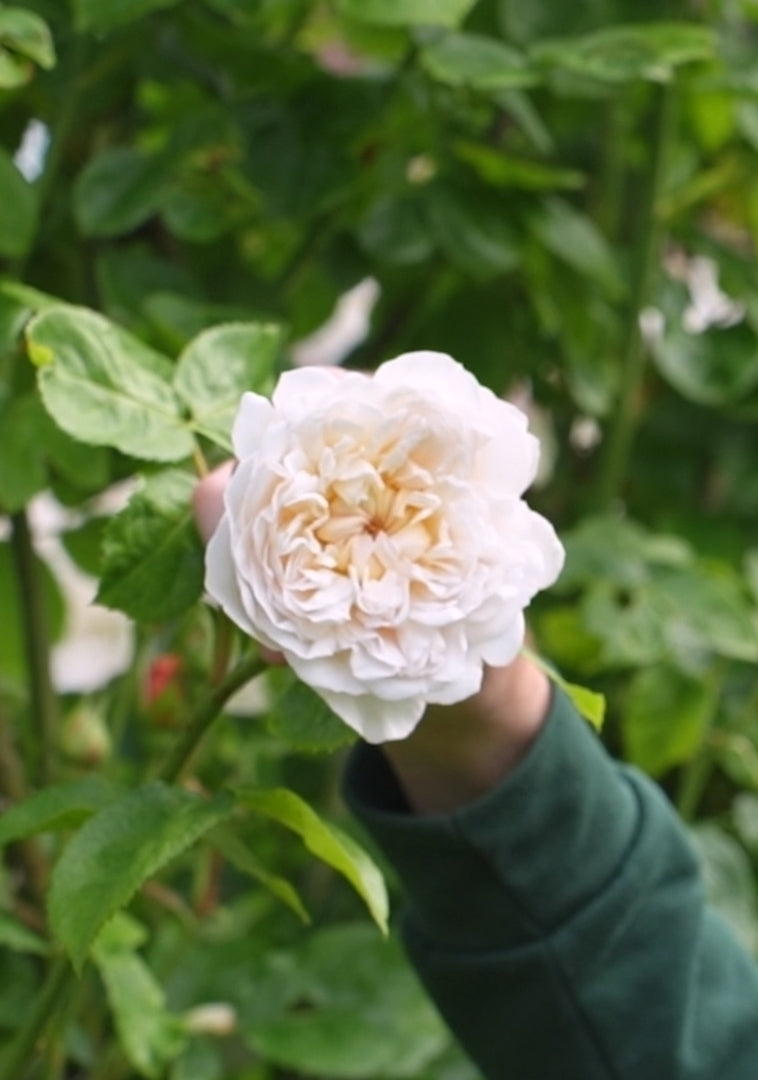 Emily Brontë® (Ausearnshaw)A deeply fragrant, exceptionally elegant choice with an upright habit that lends itself beautifully to vertical training.Discover here
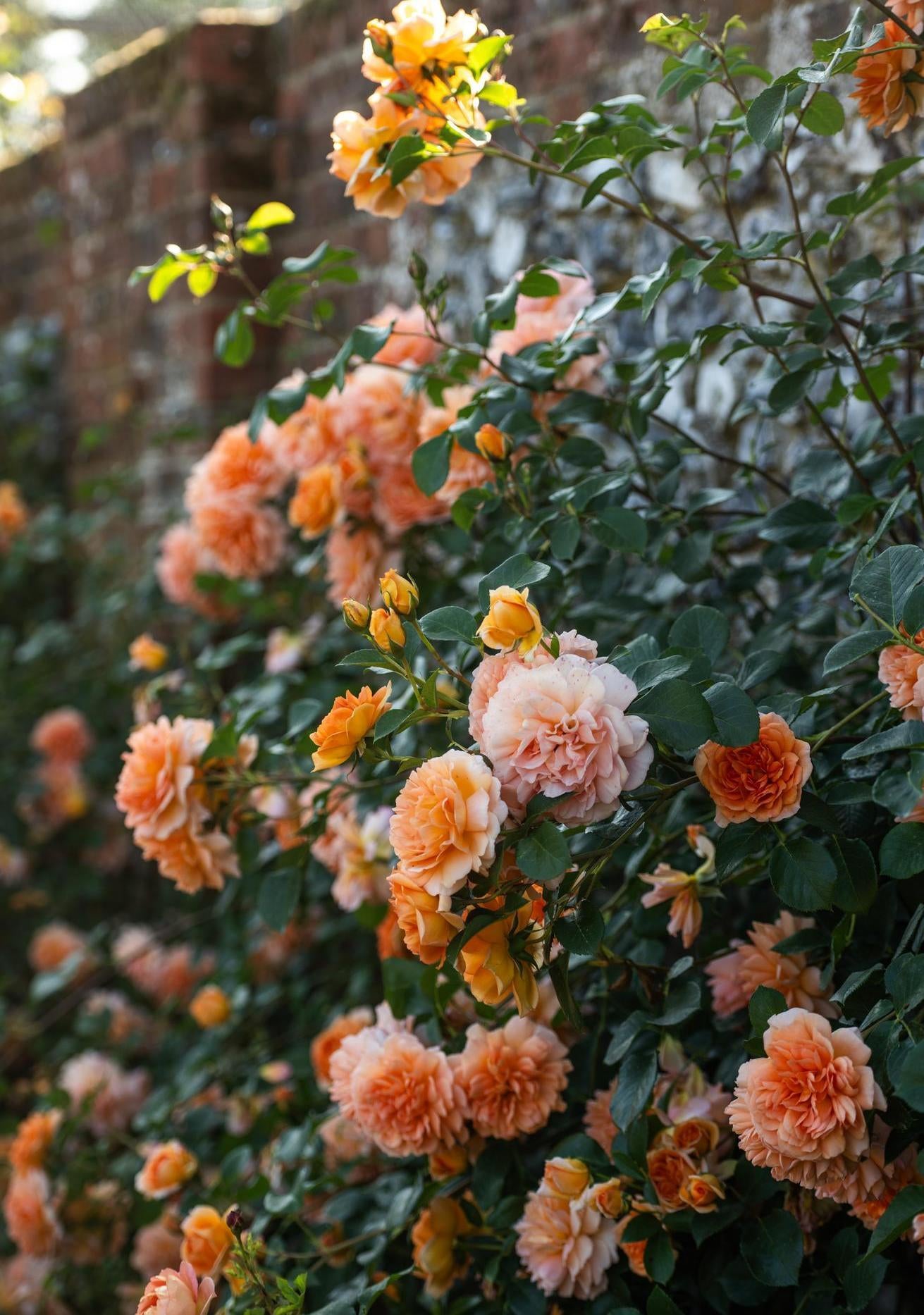 Dame Judi Dench (Ausquaker)Produces charming apricot blooms on naturally graceful, supple growth that can be guided onto arches and pillars with ease.Discover here
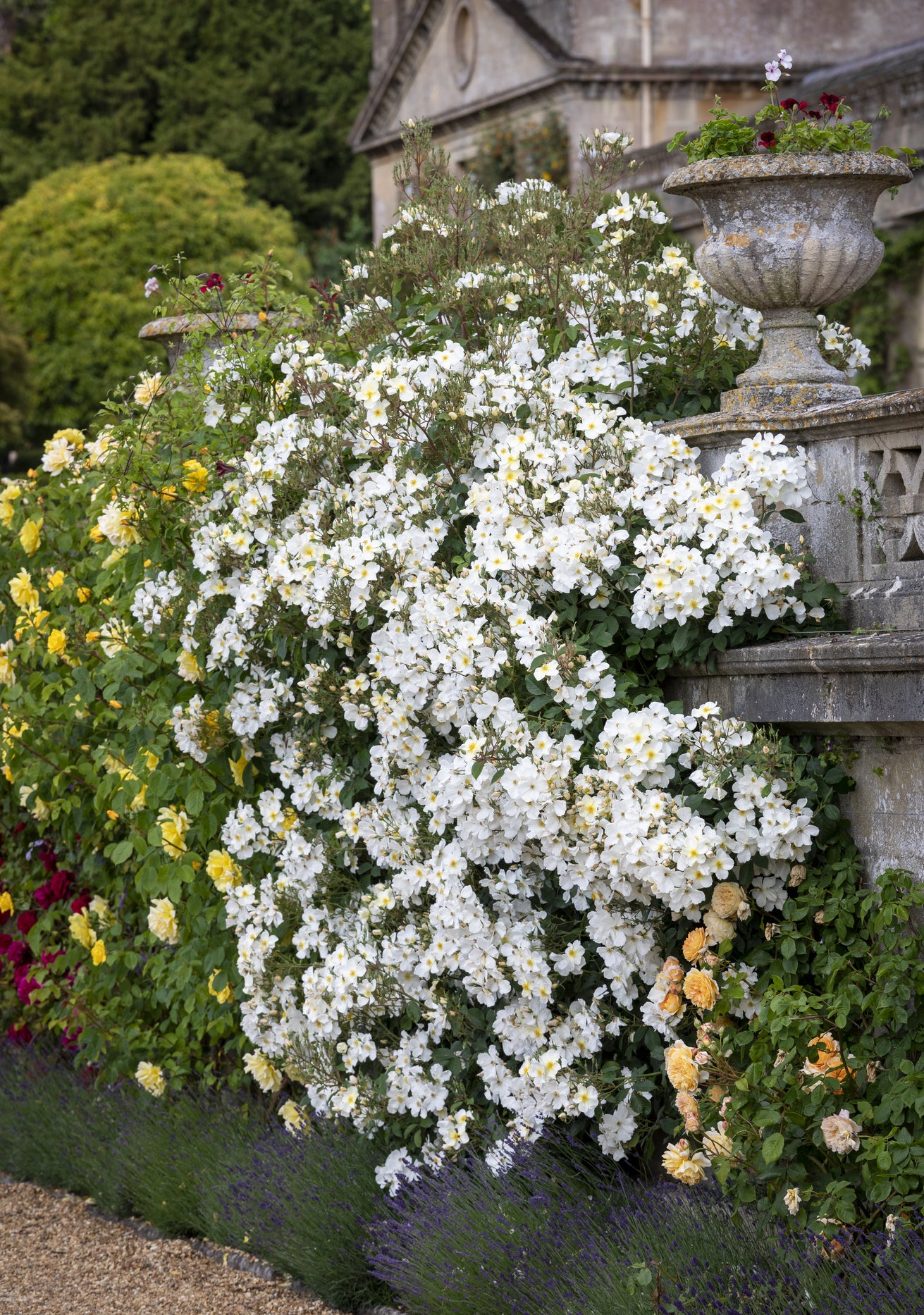 Kew Gardens (Ausfence)Highly vigorous and nearly thornless, it produces massive clusters of simple flowers that quickly soften harsh structures.Discover here
 The Lark Ascending® (Ausursula)Features a relaxed, airy framework, making it the perfect choice for creating an informal, natural cottage-garden look.Discover here
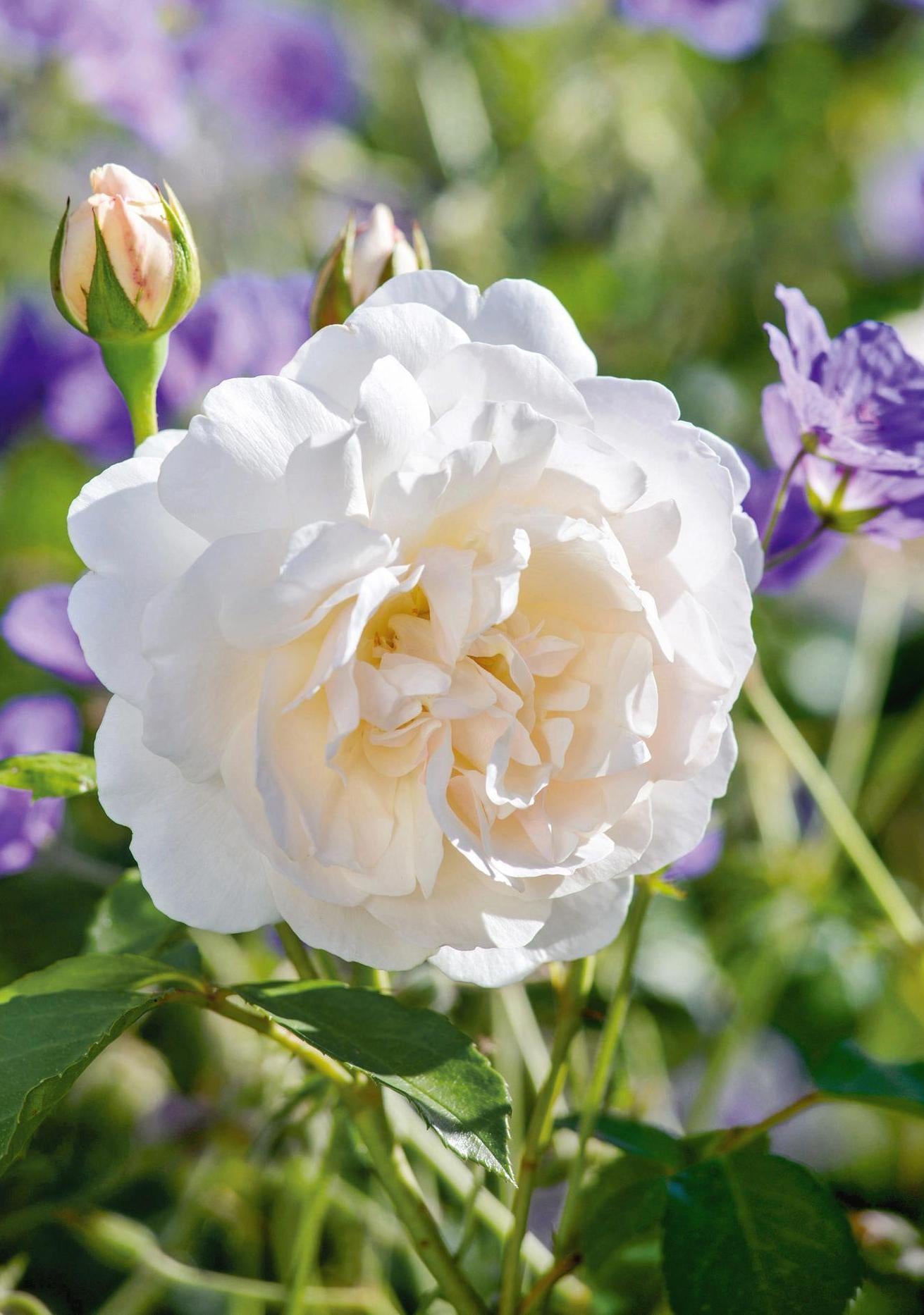 Lichfield Angel® (Ausrelate)Brings a softer presence, with beautifully cupped, creamy-white flowers that practically glow against dark brick walls or wooden fences.Discover here
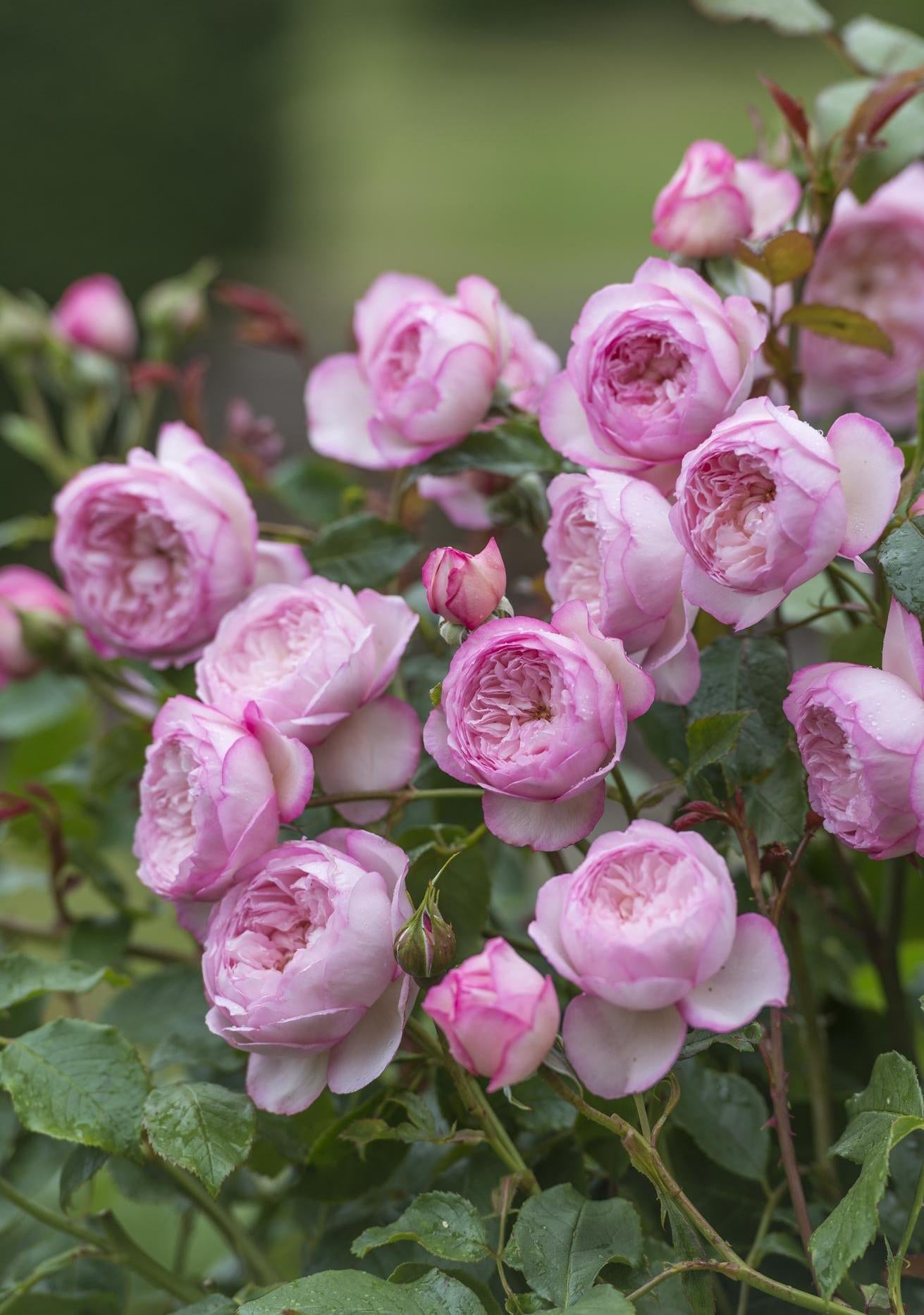 The Mill on the Floss (Austulliver)A graceful variety with elegantly arching growth and beautifully formed soft pink blooms, ideal for adding height and a romantic softness to pillars and obelisks.Discover here
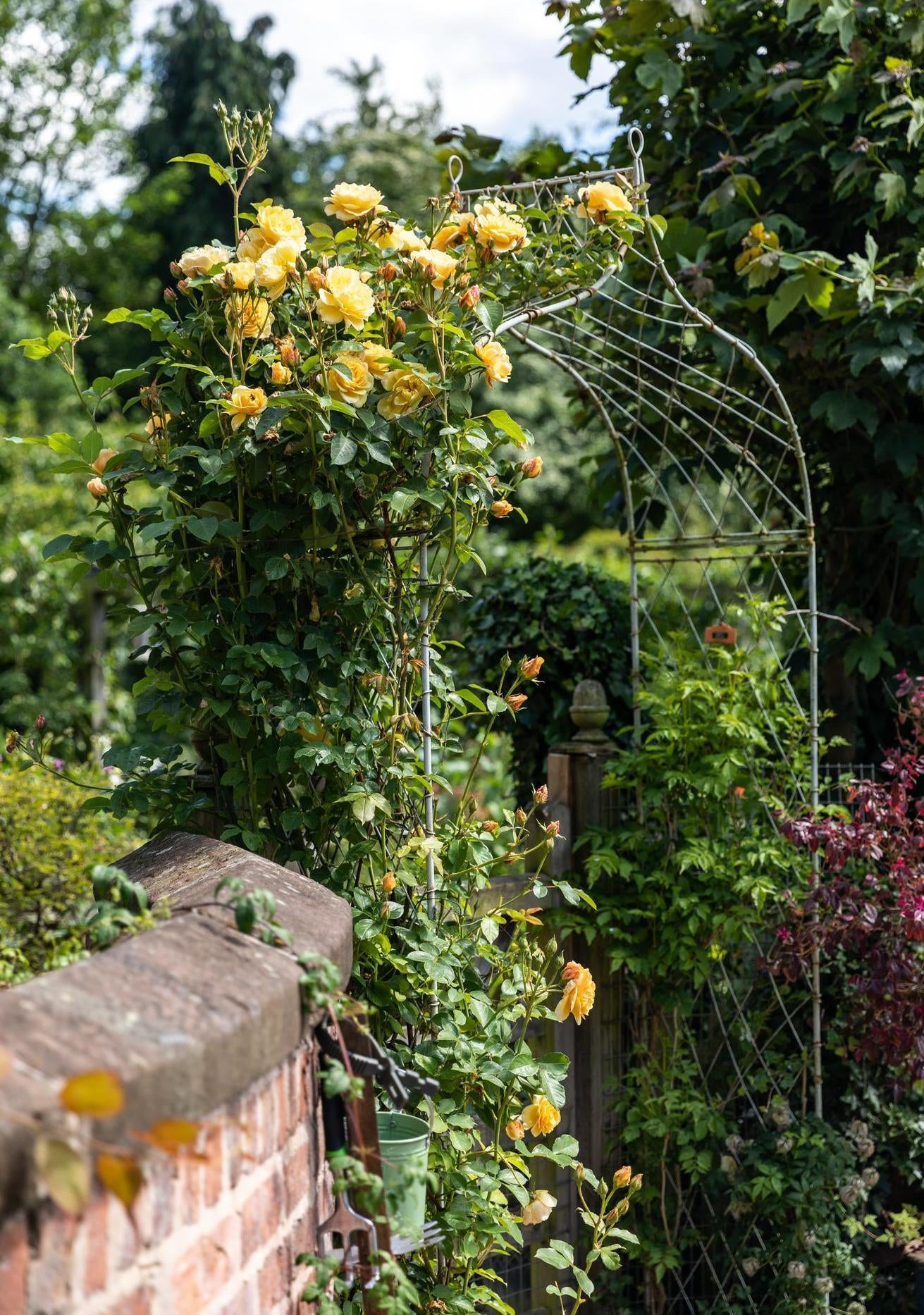 Golden Celebration® (Ausgold)Renowned for its large, richly scented golden blooms, this vigorous variety can be trained as a superb short climber, bringing warmth and abundance to fences and garden walls.Discover here
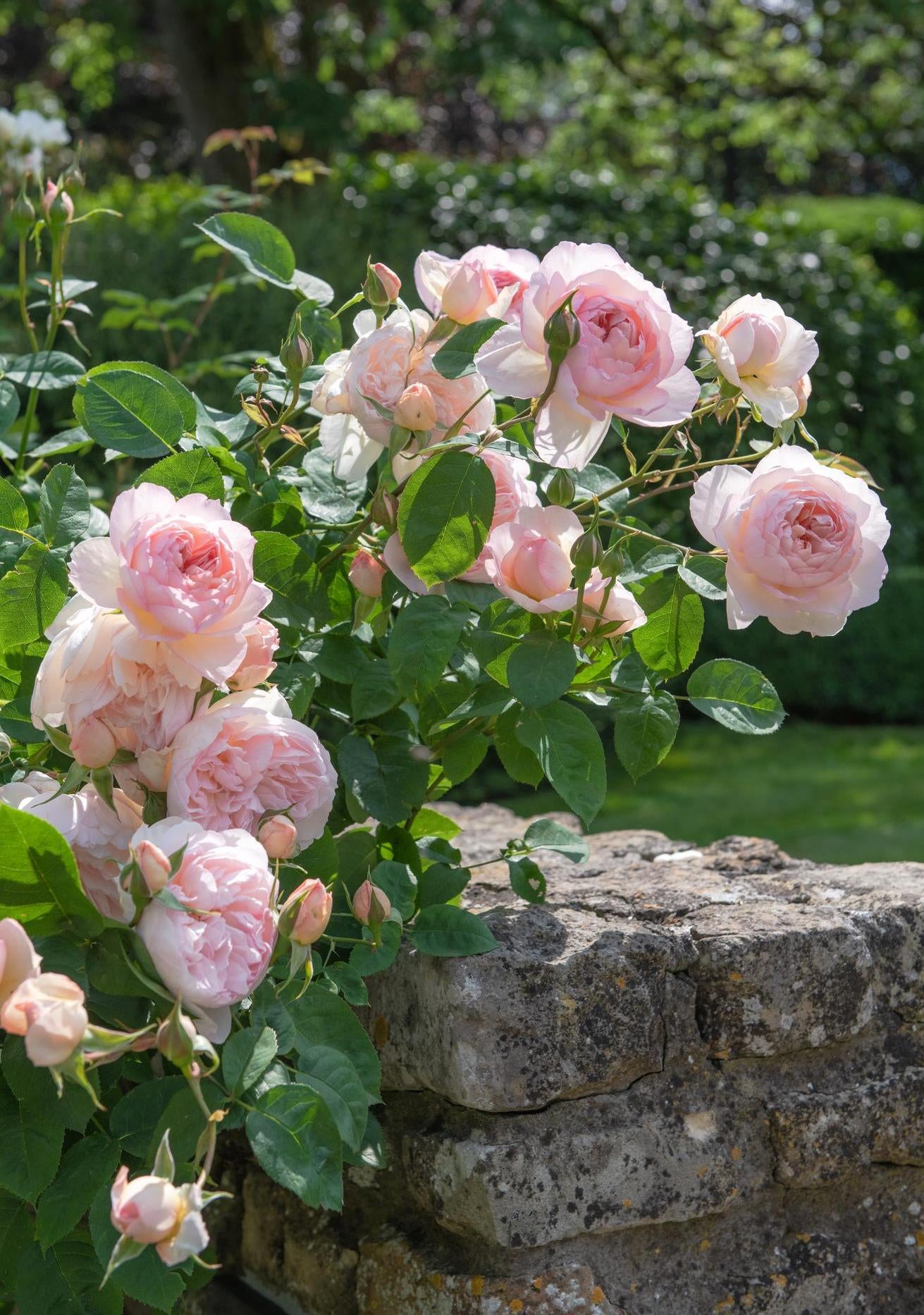 Gentle Hermione® (Ausrumba)Rewards with perfectly formed classic soft pink blooms carried on growth that weaves flawlessly through pillars and obelisks.Discover here
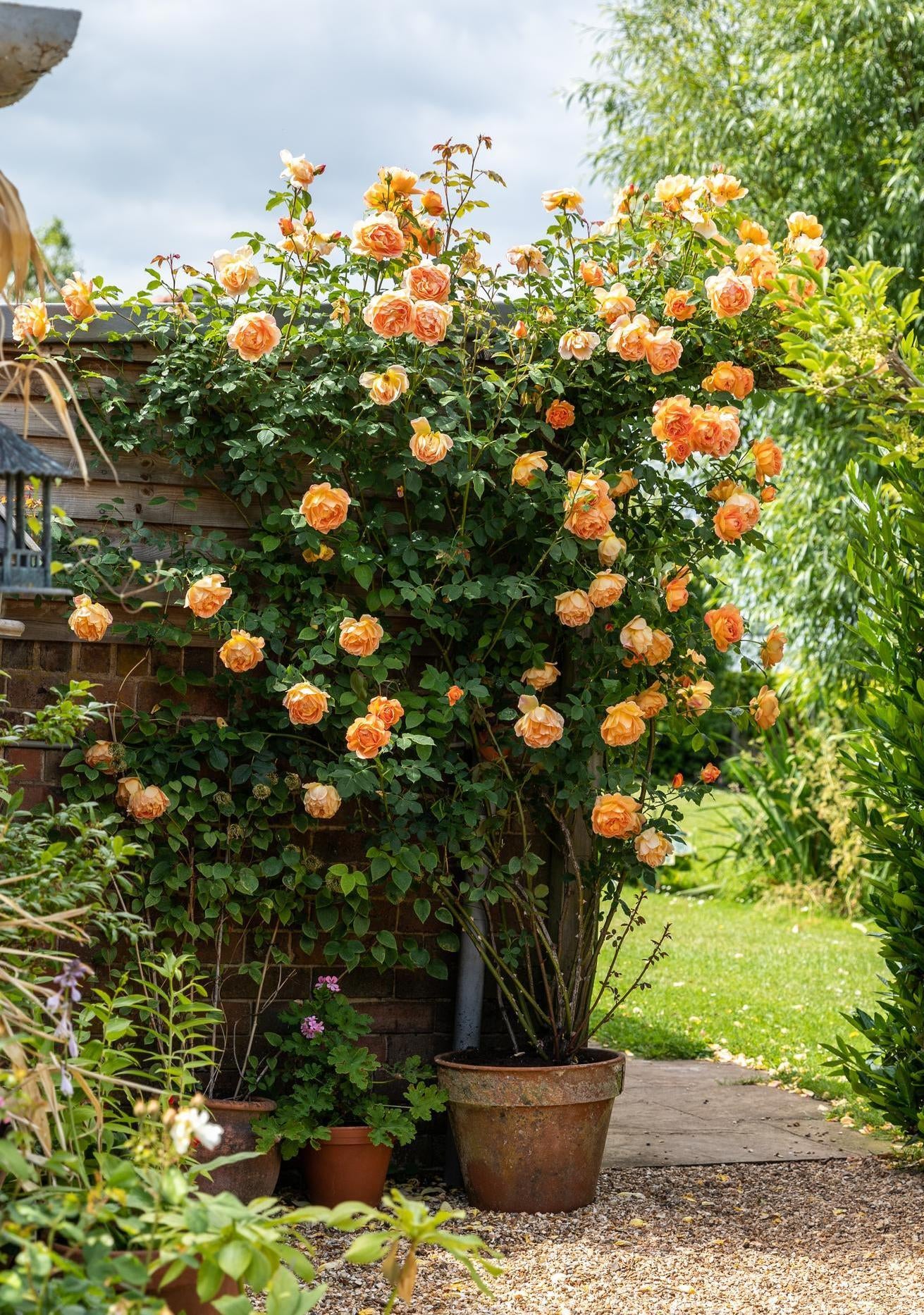 Lady of Shalott® (Ausnyson)Exceptionally healthy and vigorous, its warm orange-apricot blooms are borne on long, arching stems that lend themselves naturally to walls, arches and pergolas.Discover here

One Rose, Dual Roles
One of the greatest joys of cultivating roses is their adaptability. With a simple change in pruning technique, a favourite border plant can take on an entirely different role in the garden, adding height and interest where a larger climber might prove too dominant.
This versatility works both ways. Many traditional English Climbing Roses were originally bred from shrub varieties and can be grown as large, arching shrubs simply by pruning them back firmly each winter.
Before searching for a brand-new plant, it is always worth looking closer at your existing borders. The perfect climbing display may already be waiting in your garden.
-
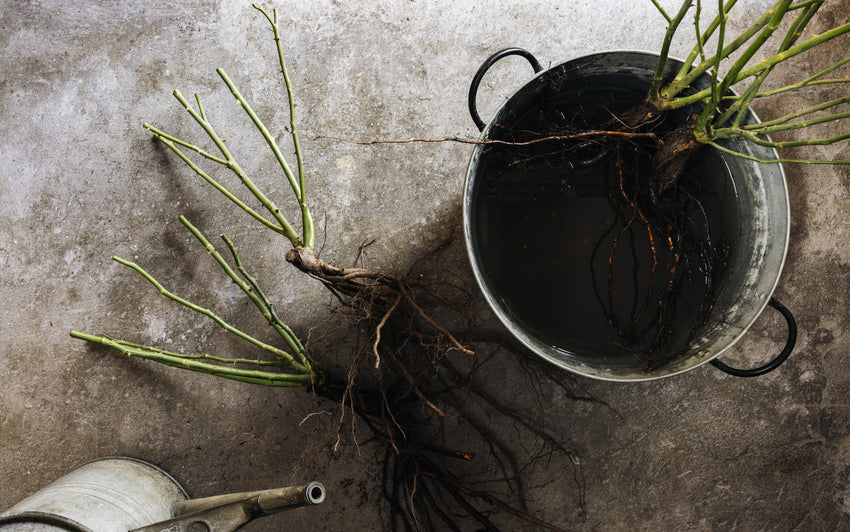
The Rose Year BeginsFall brings a distinct richness that invites us to slow down and notice the changes. Leaves turn shades of amber and gold, while the lower, softer light catches the borders in the late afternoon. As cooler mornings bring heavy dew and that unmistakable, earthy scent of damp soil, the garden gradually settles down for the season.
-
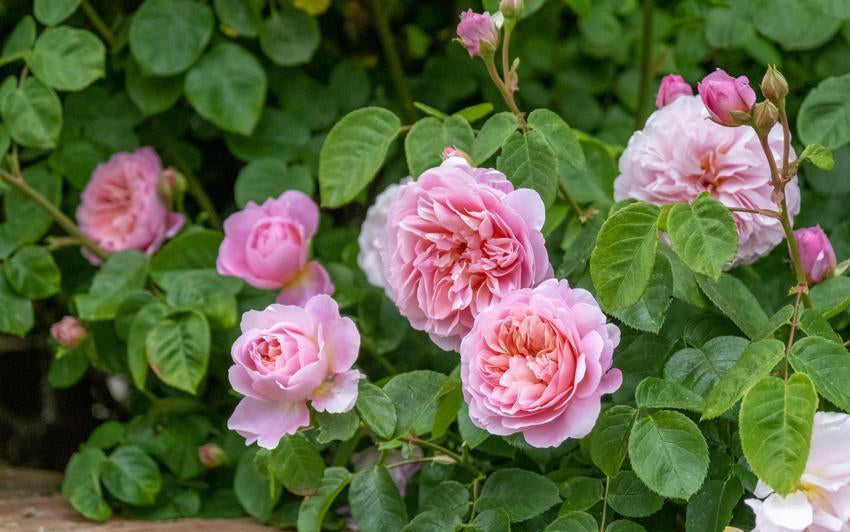
Roses with Large Blooms: Varieties for Garden ImpactA rose in full flower can transform a garden. Large, many-petalled blooms draw the eye through a border, bring colour to a quiet corner or create a beautiful focal point when grown in a pot.
-
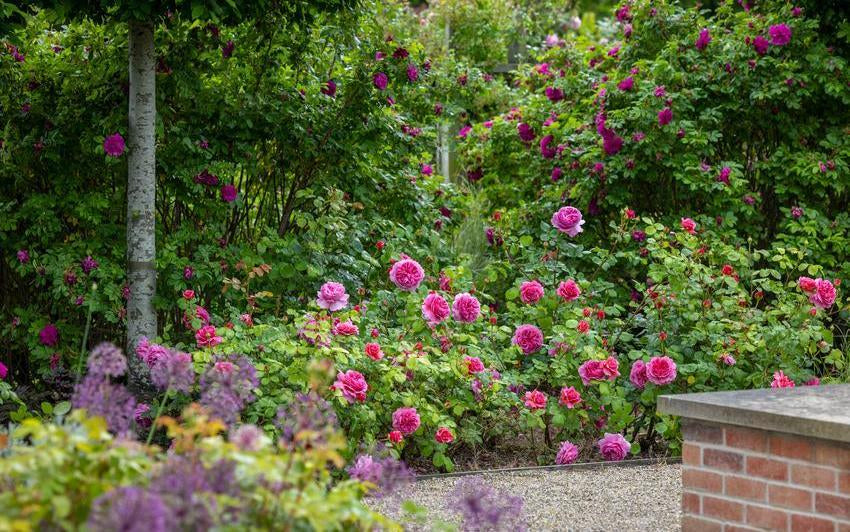
Best Fragrant Roses for Autumn: Scent and Colour Beyond SummerThe fragrance of a rose is never quite fixed. Temperature, humidity, time of day and even the stage of the flower can all influence how its scent is released and experienced. As the warmth of summer begins to soften into autumn, cooler mornings and greater moisture in the air create different conditions for fragrance, and a familiar rose can reveal itself in a rather different way.
-
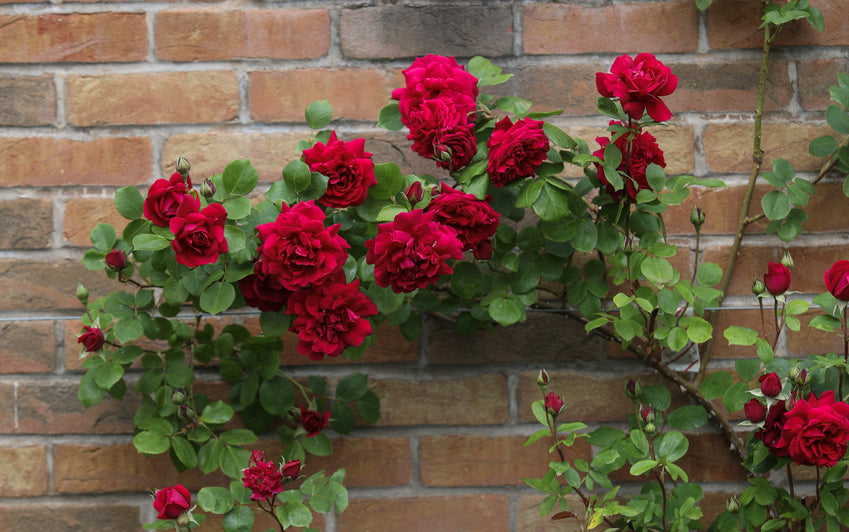
Using Red Roses to Bring Richness and Depth to the GardenA red rose has a wonderfully compelling presence in the garden. Amongst a sea of green, even a glimpse of crimson catches the eye, drawing you closer for another look. Red can sometimes have a reputation for being difficult to use, particularly alongside softer colours. Yet the palette is far more varied than we might first imagine. From clear crimson to deep, velvety tones, red roses can bring warmth, richness and depth to a garden without overwhelming it.
-
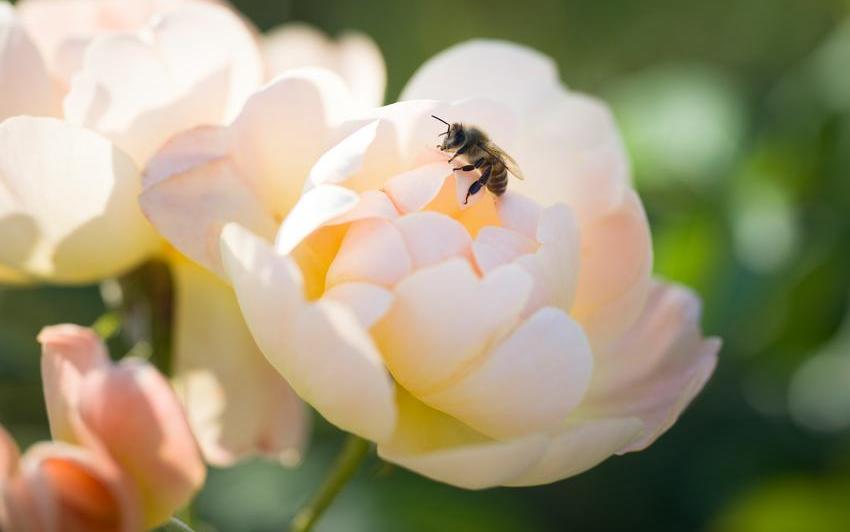
Roses for the Last Night of the PromsThere are few evenings quite like the Last Night of the Proms. Familiar melodies fill the Royal Albert Hall, the audience joins in and music heard and loved for generations is given fresh life once more. This year’s programme got us thinking about the curious connections between music, stories and the names of some of our roses. From Elgar and the Malvern Hills to Britain’s long relationship with the sea, each offers a thread to follow from the concert hall into the garden.
-
Climbing Roses for Arches, Obelisks and PillarsThere is always room for another rose. When borders are full, the answer is often simply to look upwards. Climbing roses can transform arches, obelisks and pillars into wonderfully abundant garden features, bringing flowers and fragrance to eye level and above. They can tumble over an entrance, rise from the middle of a border or soften a simple post with foliage and bloom. And, with the right rose and a little thoughtful training, they need surprisingly little ground space to make quite an impression.