
How to Grow Climbing and Rambling Roses Over a Pergola
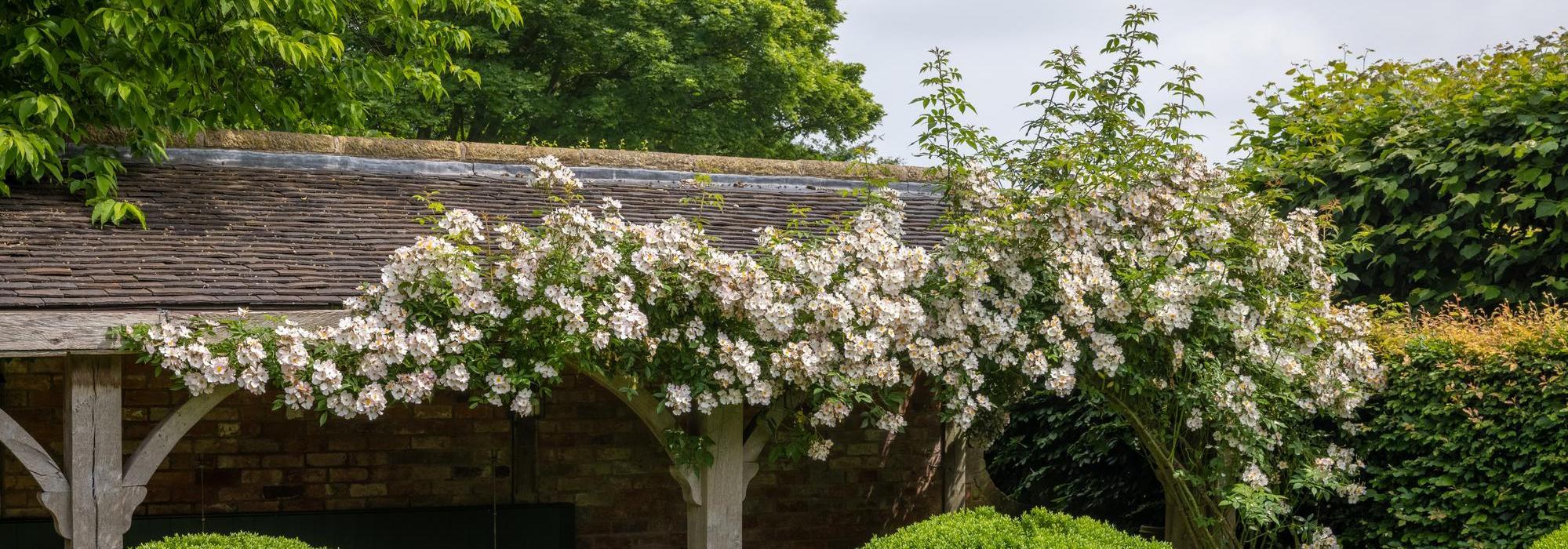
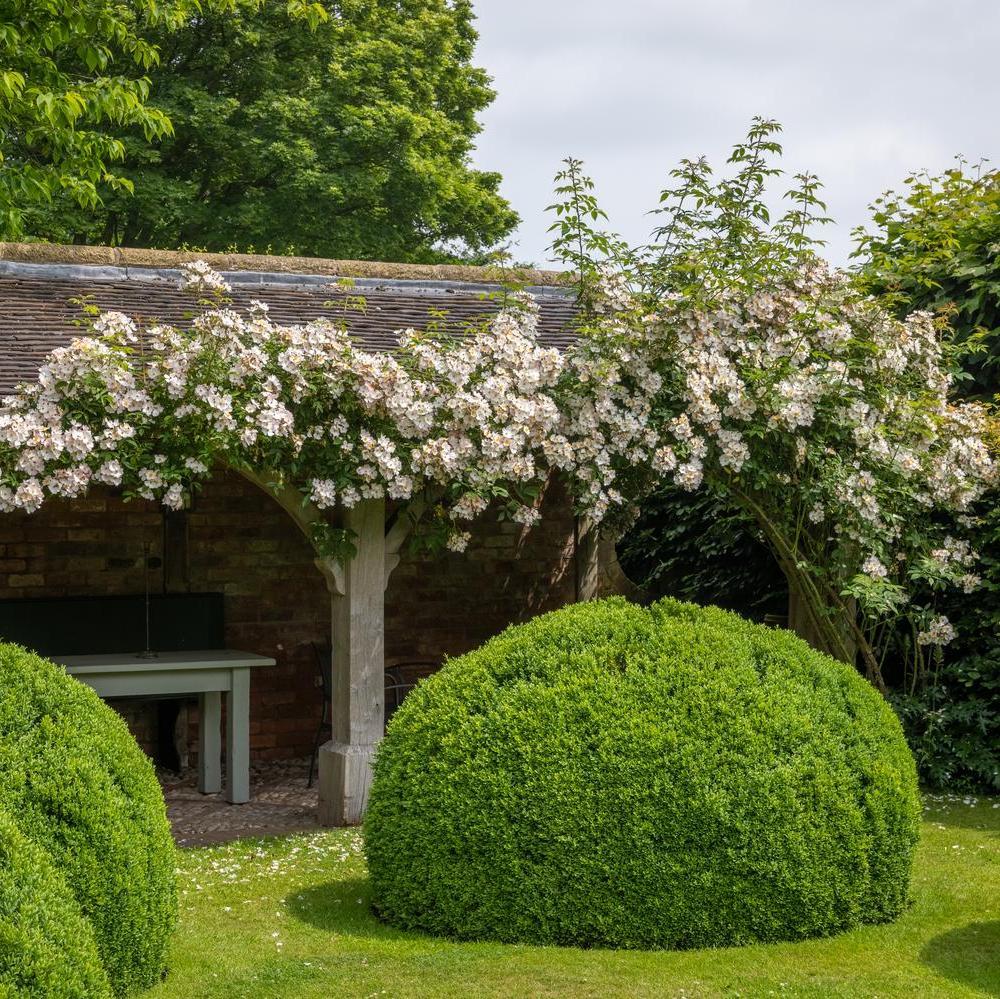
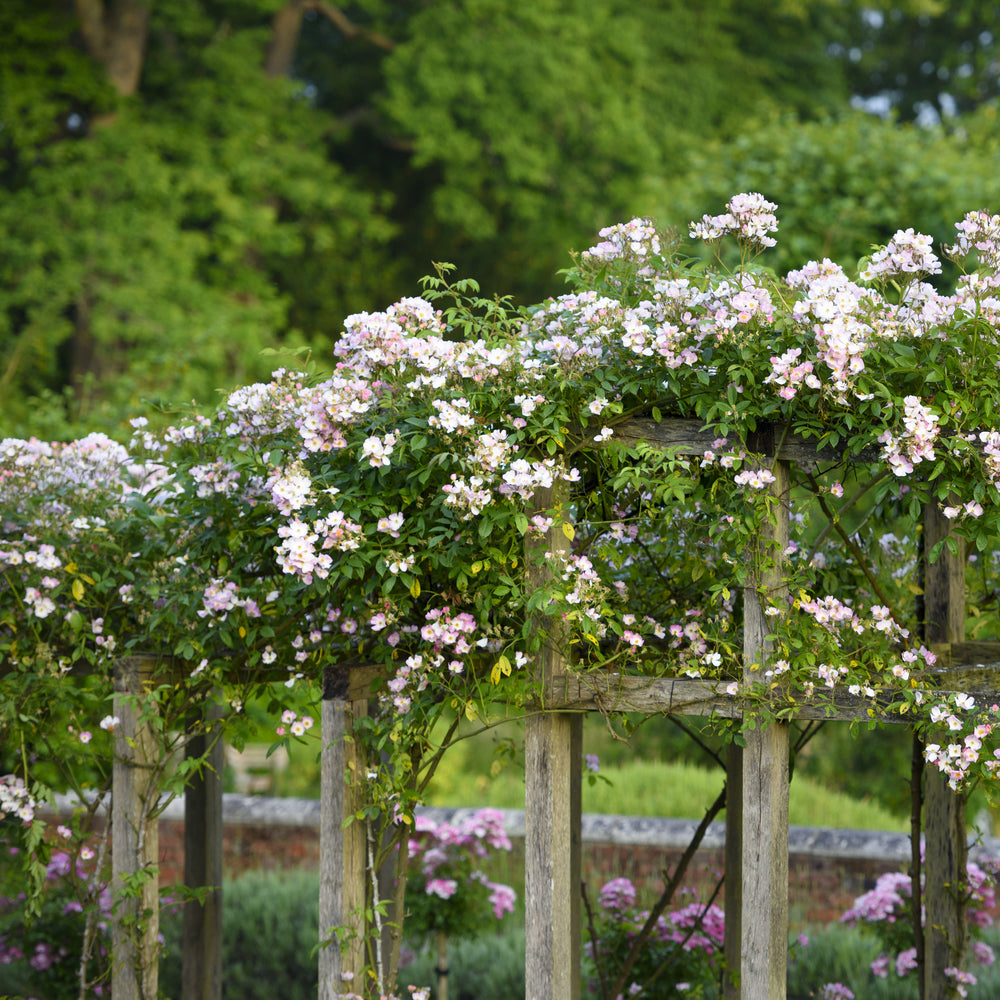
By early summer, a pergola clothed in roses can bear little resemblance to the structure beneath. Strong posts disappear behind leafy stems, flowers gather at eye level and, overhead, long canes wander from beam to beam, carrying loose clusters of bloom with them. On warm days, fragrance lingers beneath the canopy and fallen petals scatter the path below.
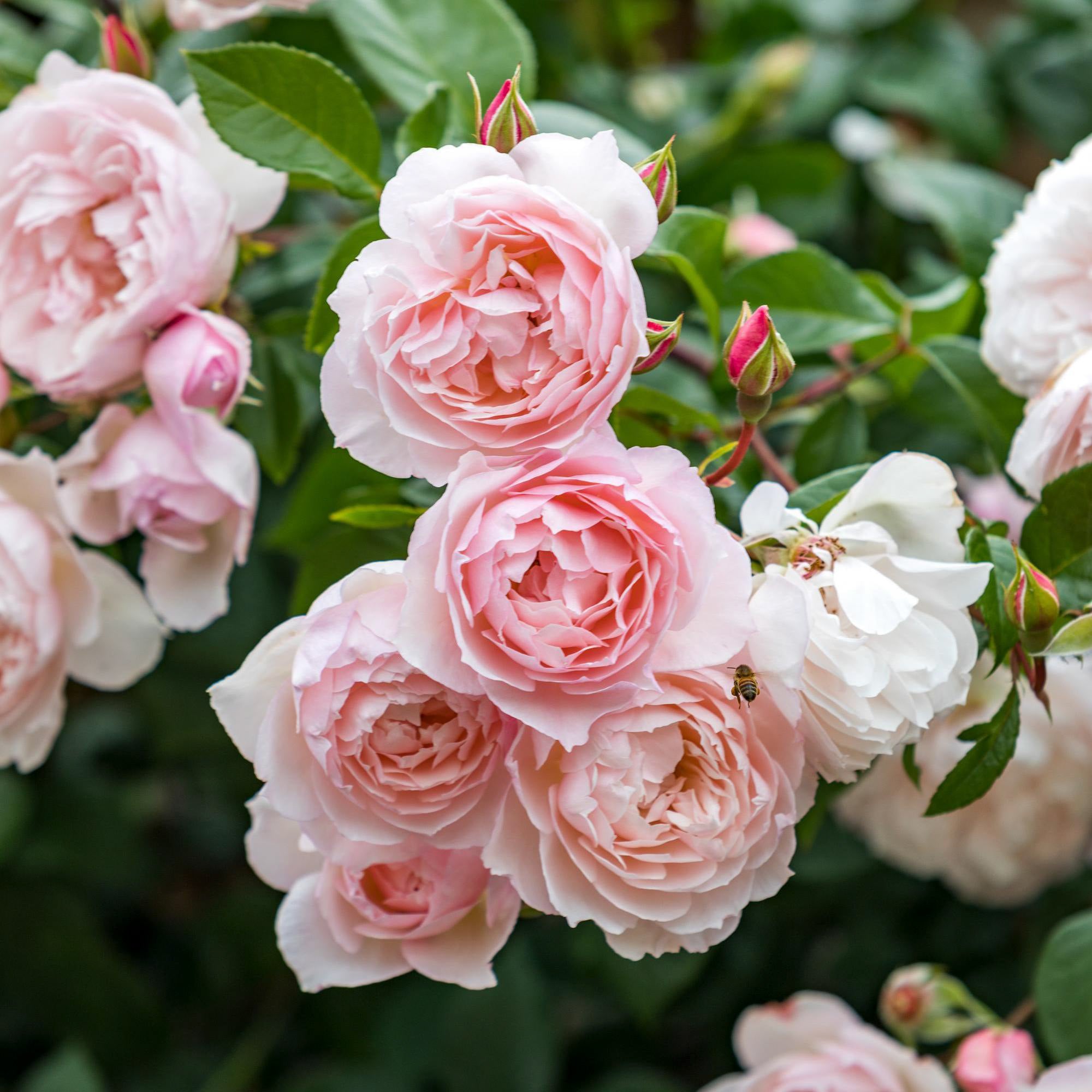
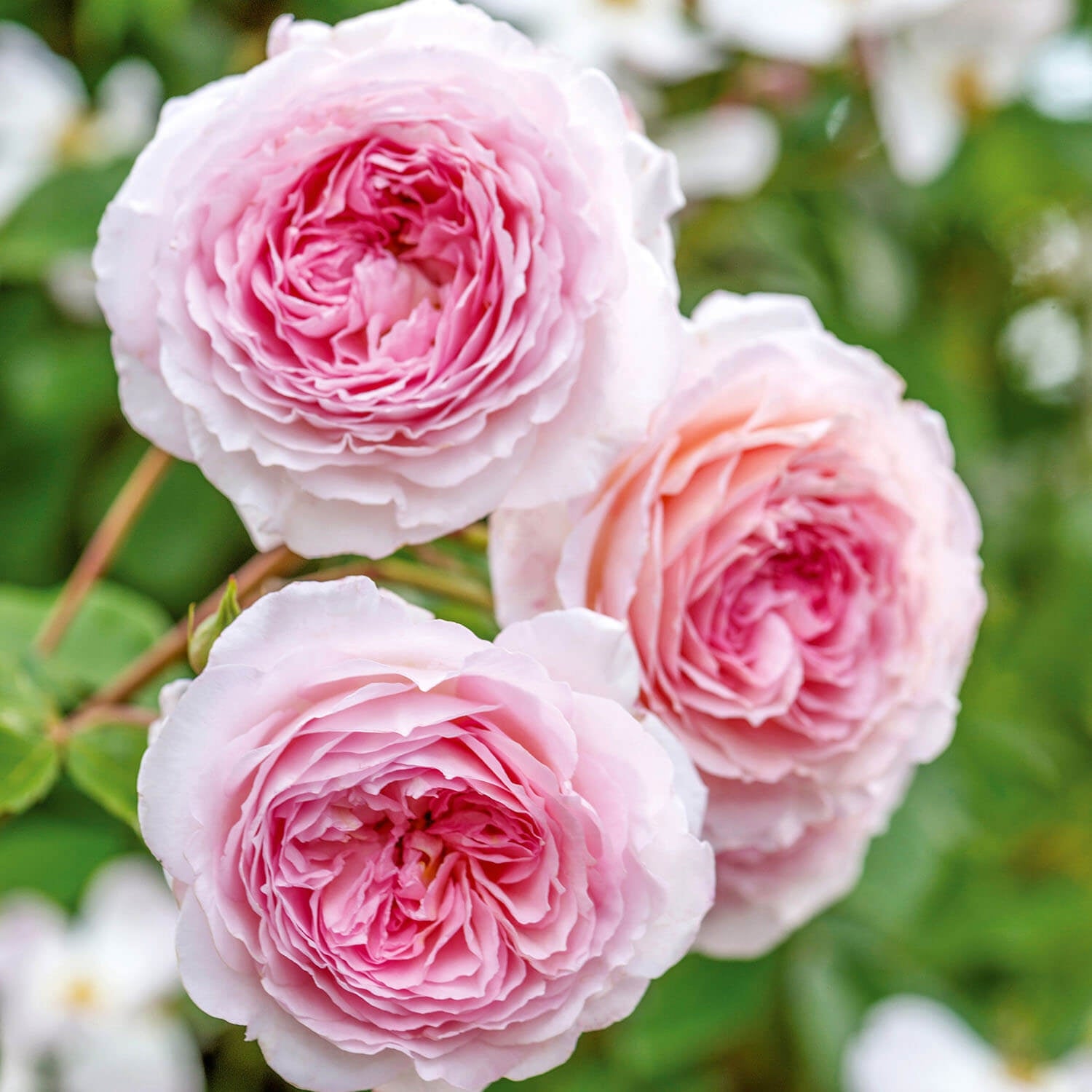
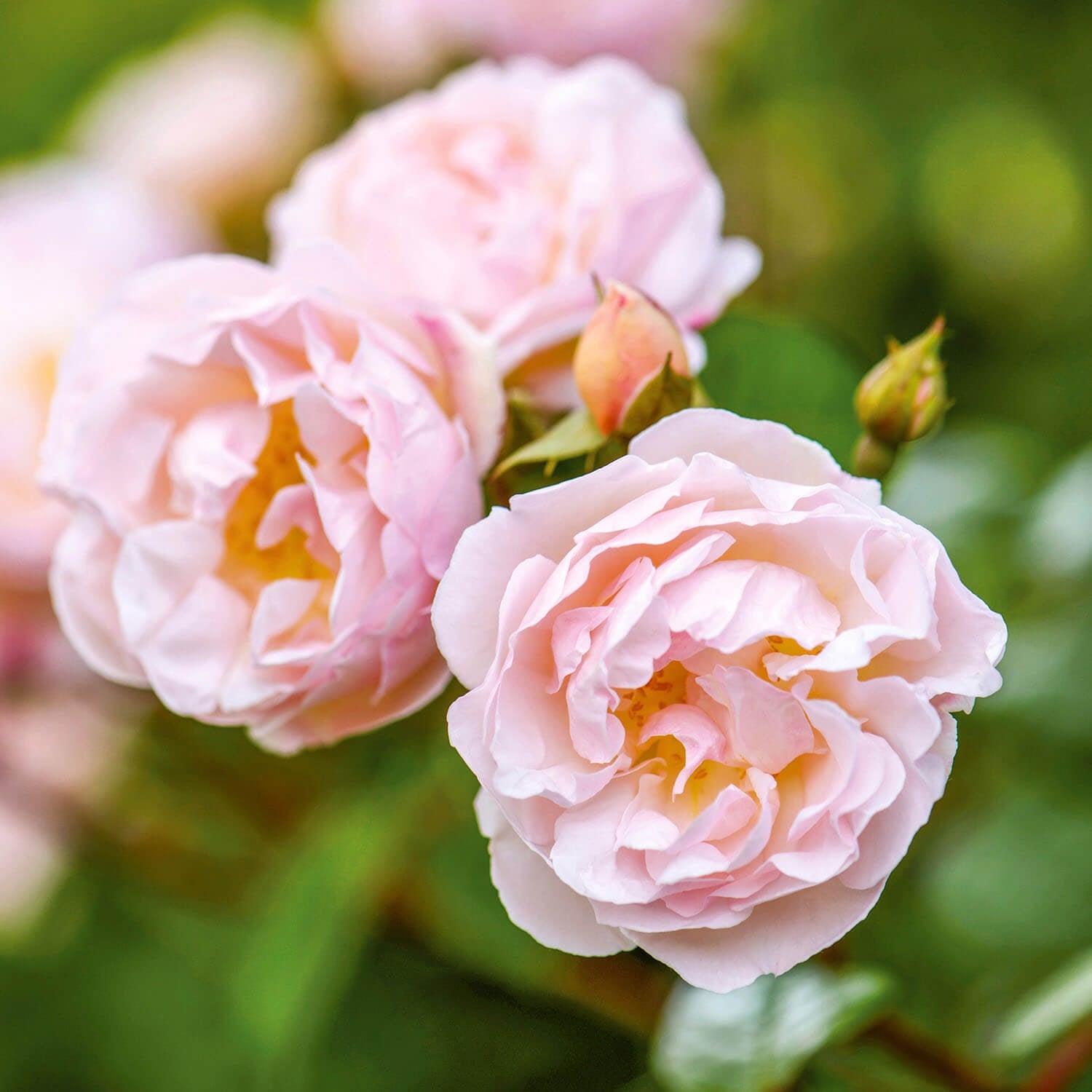
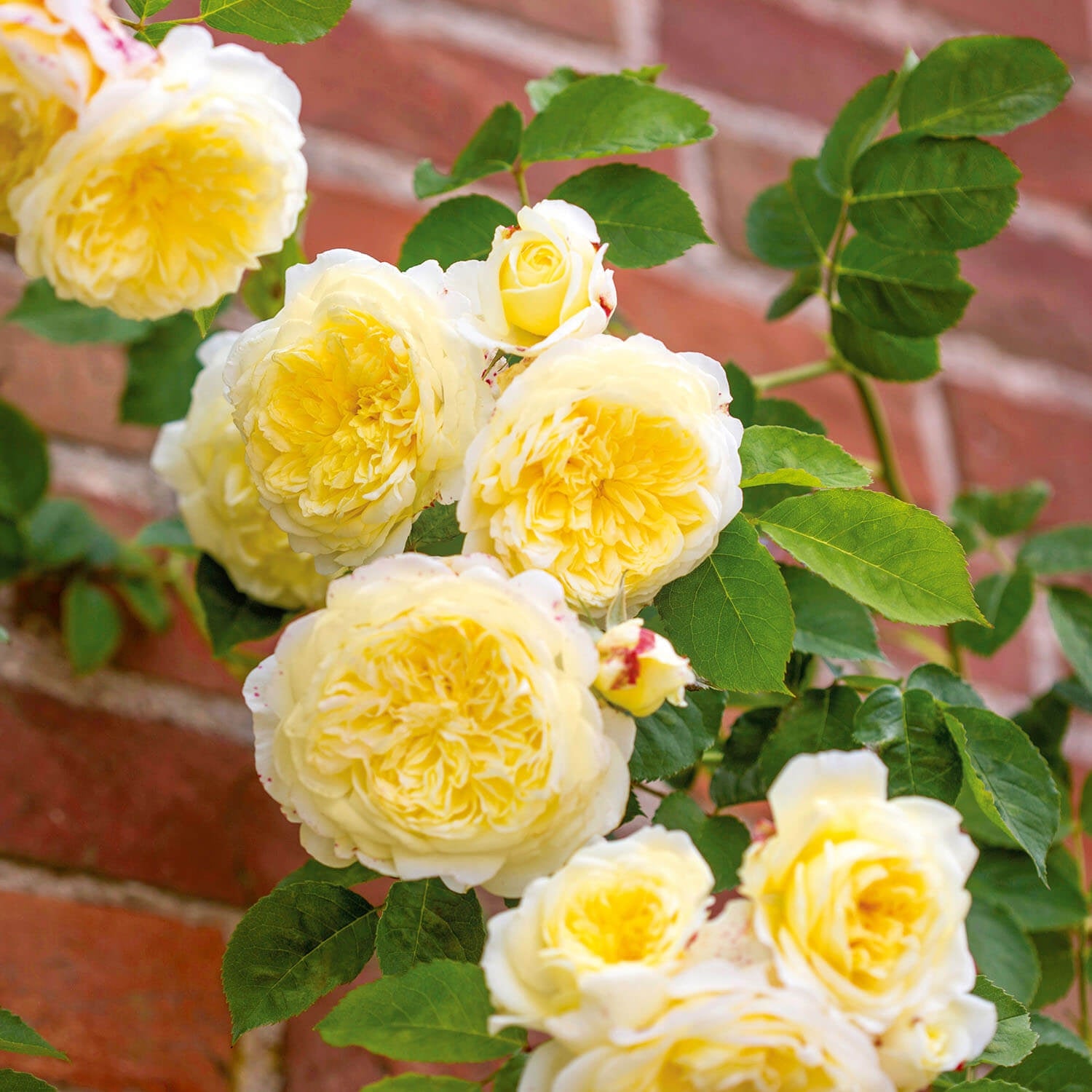
A pergola gives climbing and rambling roses the space to show their different characters beautifully. Shorter climbers can dress the upright posts with repeat-flowering blooms, while a vigorous rambler is allowed to reach higher, spilling across the roof in a great sweep of flower. Planted together, they can create a generous display, with roses from near ground level to high overhead.
The secret lies in choosing the right roses and, perhaps more importantly, in how they are trained.
Climber, Rambler or Both?
Climbing and rambling roses are both beautifully suited to pergolas, and there is no need to choose between them.
Indeed, one of the most effective ways to clothe a larger pergola is to grow shorter climbing roses around the posts, where their flowers can be enjoyed at eye level, while allowing a more vigorous rambling rose to travel upwards and across the roof.
The climbers bring colour, fragrance and repeat flowering to the lower and middle sections of the structure. Above them, the rambler can be allowed a little more freedom, its long stems wandering across the beams and eventually creating a generous canopy of foliage and flower.
Together, they create a much fuller effect. Roses can flower at your side as you walk beneath the pergola, while another layer spills softly overhead.
Climbing roses generally have larger flowers and many repeat flower, bringing successive flushes from early summer into autumn. Rambling roses tend to have longer, more pliable stems and a looser habit, making them especially useful for travelling across larger structures.
Most importantly, match the eventual size and vigour of each rose to the part of the pergola you would like it to cover.


Creating a Pergola of Roses
A beautiful rose-covered pergola isn't simply about getting the rose to the top as quickly as possible.
If every strong stem is encouraged straight upwards, the plant naturally concentrates much of its flowering higher on the structure. The result can be a glorious roof of roses, but comparatively little flower at eye level.
Instead, think of the pergola in layers.
Shorter climbing roses can be used to dress the uprights. Their stems can be gently encouraged around the lower and middle portions of the posts so that flowering growth develops along their length.
More vigorous stems, particularly those of a rambler, can then be allowed to continue upwards before being guided across the beams overhead.
The result is a pergola that feels clothed rather than simply covered, with flowers gathering around the posts, spilling through the middle and wandering freely across the roof.
How to Plant Climbing and Rambling Roses Beside a Pergola
A little care at planting gives a rose the best possible beginning.
1. Choose the position
Roses appreciate fertile, well-drained soil and good light. Allow enough room around the base for each plant to establish comfortably, remembering that soil immediately beside a substantial structure can sometimes be comparatively dry.
2. Prepare the ground generously
Dig the planting area thoroughly, loosening the soil and incorporating well-rotted organic matter where appropriate. The aim is to create a generous area of good soil into which new roots can readily travel.
3. Position the rose towards the pergola
Plant with the stems angled gently towards the upright rather than expecting new growth to make an abrupt change of direction later. A short cane can be used initially to bridge the space between the rose and its permanent support.
4. Plant, firm and water
Settle the rose carefully into the prepared ground, backfill with soil and gently firm around it. Water thoroughly after planting to settle the soil around the roots.
5. Begin training from the outset
Climbing and rambling roses do not cling naturally to a structure, so their stems need to be secured. Use suitable wires or supports on the pergola posts and tie stems loosely with soft garden ties, leaving sufficient room for them to thicken.
Young stems are wonderfully pliable. Guiding them while they are still soft makes creating the eventual framework considerably easier.
The Secret to Flowers from Bottom to Top
Roses have a natural urge to grow upwards. Left entirely to themselves, vigorous stems may race towards the roof of a pergola before producing much flower lower down.
Training stems away from the vertical helps change this.
Rather than fastening every climbing stem straight up a post, gently guide longer stems around or diagonally across the upright wherever possible. This places more of the stem closer to the horizontal and encourages flowering shoots to develop along its length.
Imagine dressing the pergola rather than simply reaching its roof.
One stem might be trained around the lower portion of a post. Another can fill the middle. A particularly vigorous shoot can be allowed higher before being directed onwards.
If you are growing a rambler alongside the climbers, its longest stems can be given the upper storey, travelling towards the crossbeams and then spreading out across the roof.
Over time, the framework disappears beneath foliage and flower, but the careful training beneath it is what creates that generous display from top to bottom.

Extend the Season with Clematis
Few companions suit a rose-covered pergola quite as naturally as clematis.
Its slender stems can wander amongst the rose, while the flowers appear almost suspended amongst the foliage. More importantly, choosing clematis for a different flowering period can extend the life of the pergola well beyond the main rose display.
An earlier-flowering clematis can begin the season before the roses reach their peak, bringing the first touches of colour while rose buds are still swelling.
Alternatively, a later-flowering variety can take over as the first great flush of roses begins to soften, carrying colour through summer and, in some cases, into early autumn.
The most beautiful combinations often come from contrast rather than perfect matching. A dark violet clematis threading its way through a soft pink rose can give the planting depth. Pale blue or lavender flowers can cool warmer rose colours, while white clematis can bring little points of light amongst richer foliage.
Where both plants share the same post, give each enough room at the base and guide the clematis towards the rose framework as it develops. Once established, it will begin to find its own path amongst the stems.
The intention is not to hide the rose beneath another climber, but to allow the two plants to meet lightly. One can begin as the other rests, with a brief overlap bringing a particularly lovely moment when both are in flower.
A Garden Beneath the Roses
A rose-covered pergola creates something more than a support for plants. It gives the garden another dimension.
From a distance, it draws the eye onwards, its posts disappearing into green and its roof softened by flower. Up close, it becomes wonderfully intimate. Roses can be admired at eye level, fragrance gathers beneath the canopy, petals drift onto the path and clematis flowers appear unexpectedly amongst the leaves.
It becomes lovelier with age, too.
Each season brings stronger stems to guide along another beam, another corner softened by foliage and another space in the framework filled with flower. The shorter climbers dress the posts while the rambler reaches out overhead, and clematis quietly carries the display from one flowering season into the next.
-
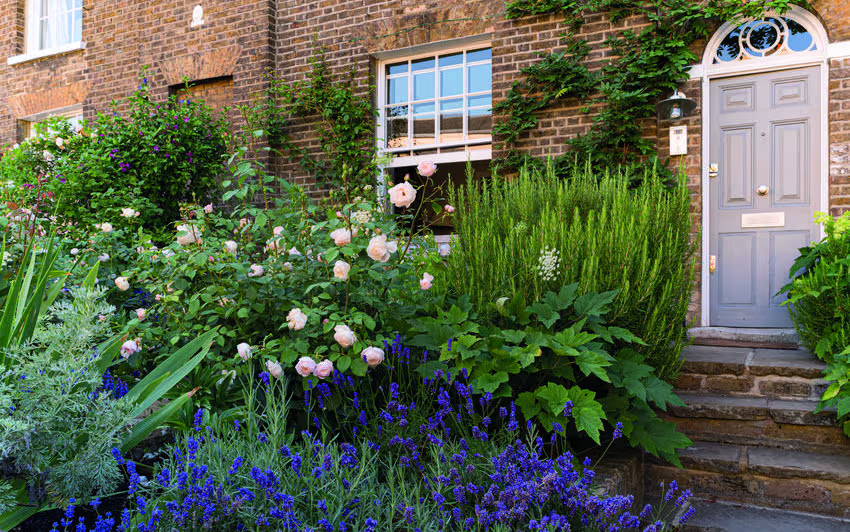
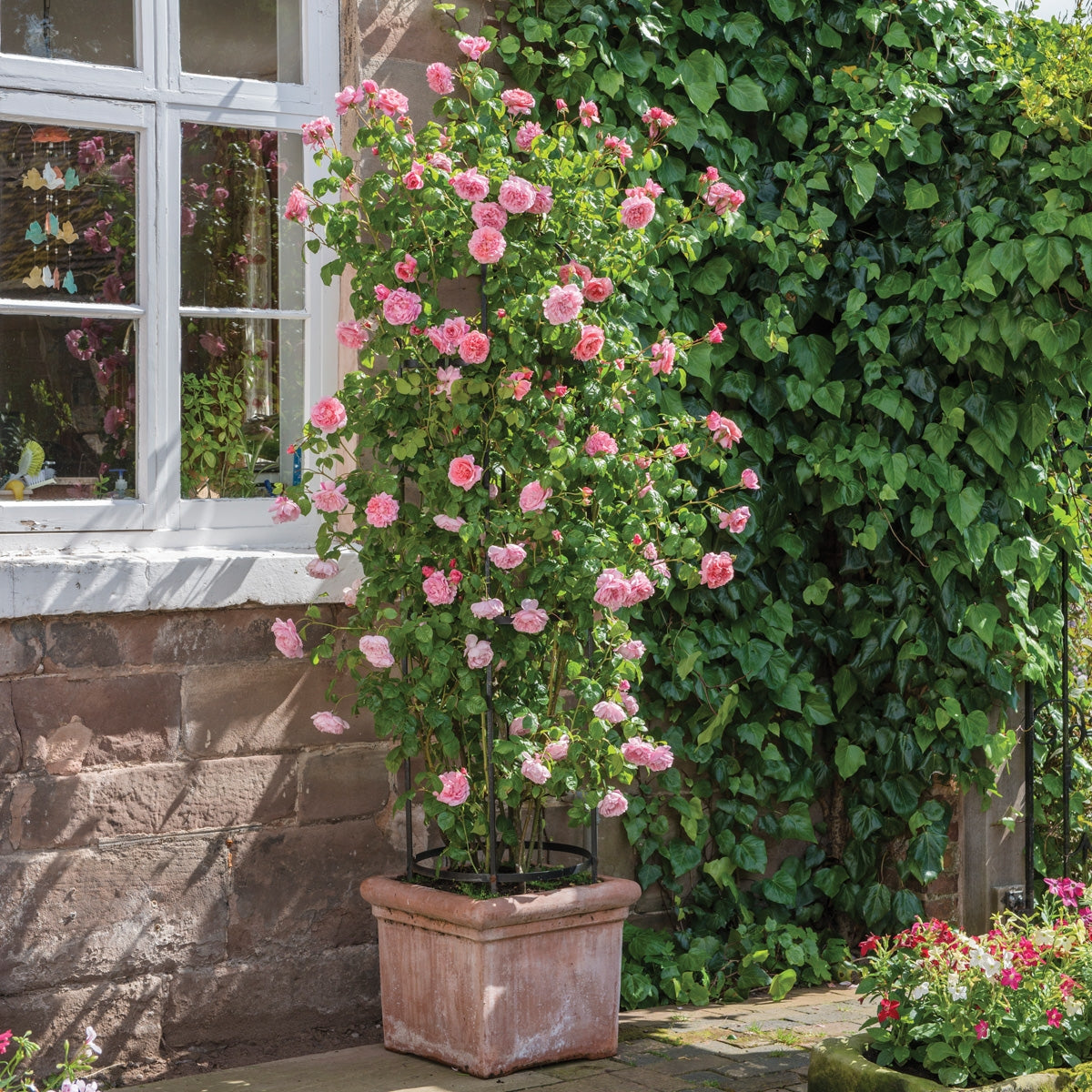
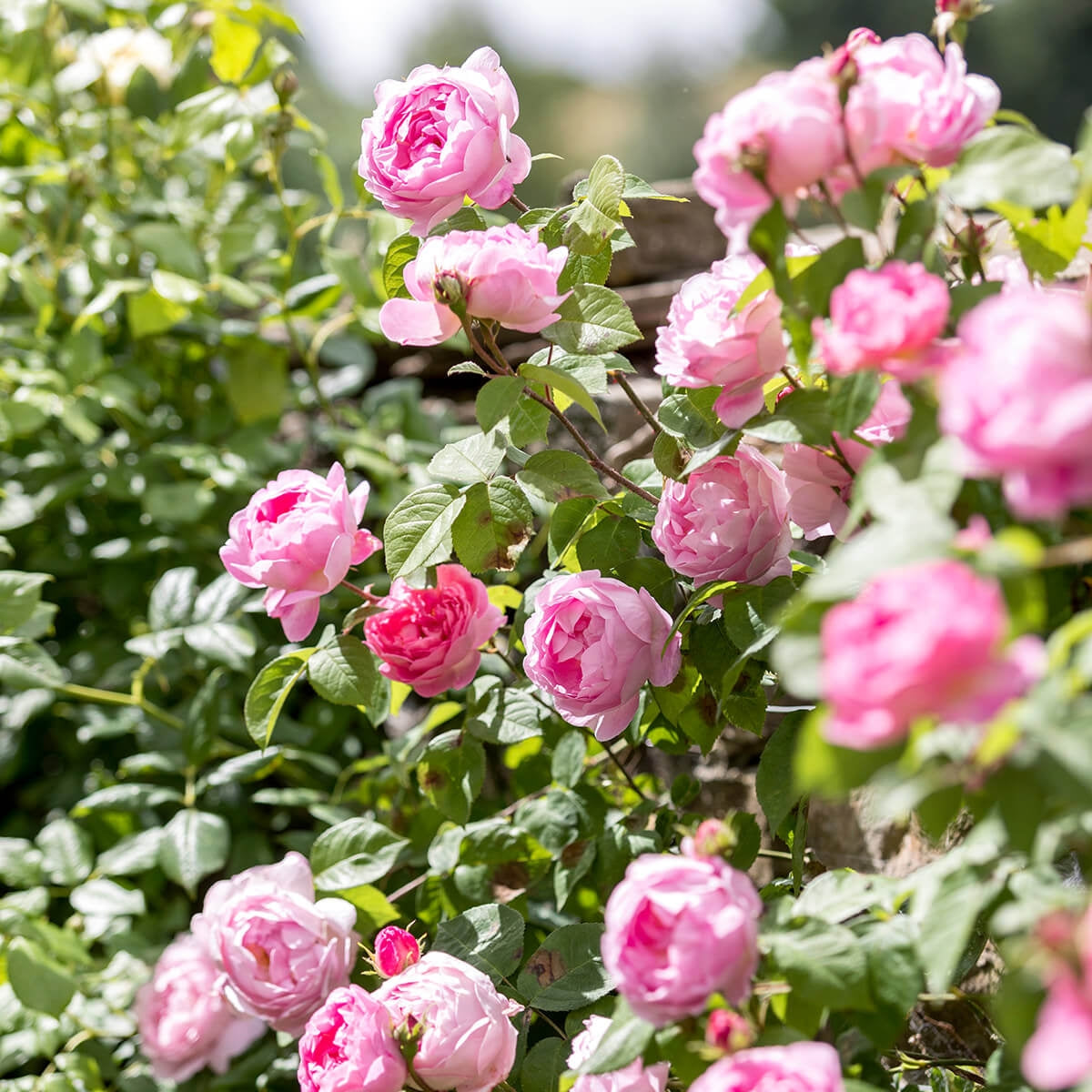
Climbing and Rambling Roses for Doorways and the Front of Your HouseThe entrance to your home is the first thing visitors see and the first view you enjoy each time you return. A climbing rose can completely transform a front door, soften the façade of a house or bring colour and fragrance to an otherwise ordinary wall. Whether you're looking to frame a doorway, brighten the front of your house or make the most of a small front garden, climbing and rambling roses offer a beautiful way to add height, character and seasonal interest.

-
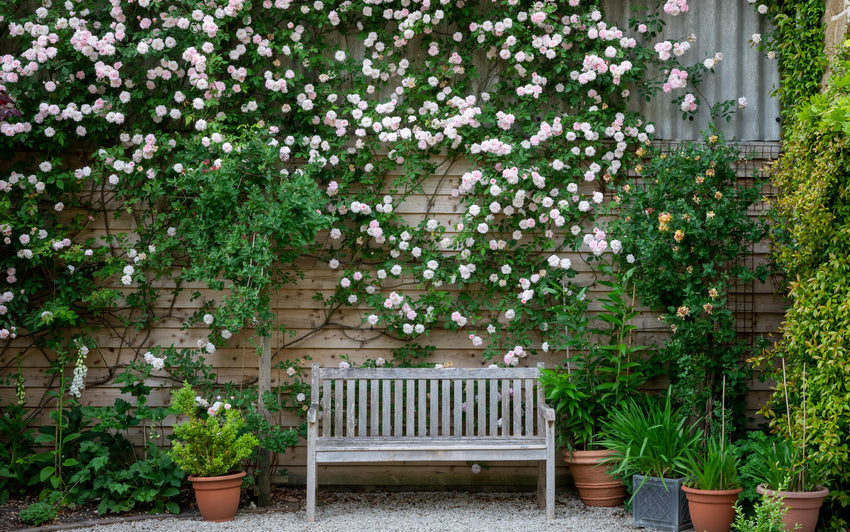
Creating Living Walls with Climbing RosesA living wall has a way of transforming a space, turning a simple surface into a quiet theatre of petals, scent and shifting light. When English Roses form the foundation, the display becomes generous and enduring. Their repeat blooms, soft colours and naturally graceful habit bring depth and character to any vertical space, whether it is a boundary fence, a warm house wall or a tucked-away corner that needs a little life.
-
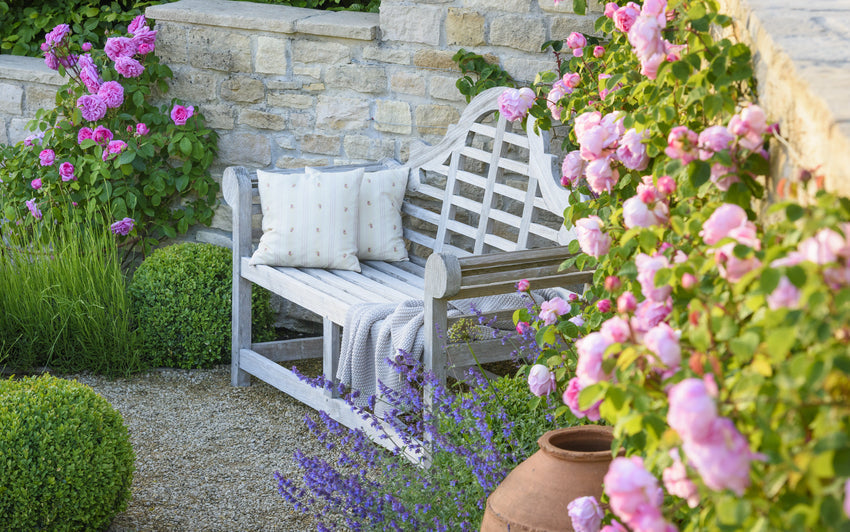
Garden Seating Ideas: How to Create a Beautiful Rose-Filled RetreatA well-placed seat can completely change the way you experience your garden. It creates a destination, encourages you to slow down and offers the opportunity to enjoy the beauty and fragrance of your roses from a different perspective.
-
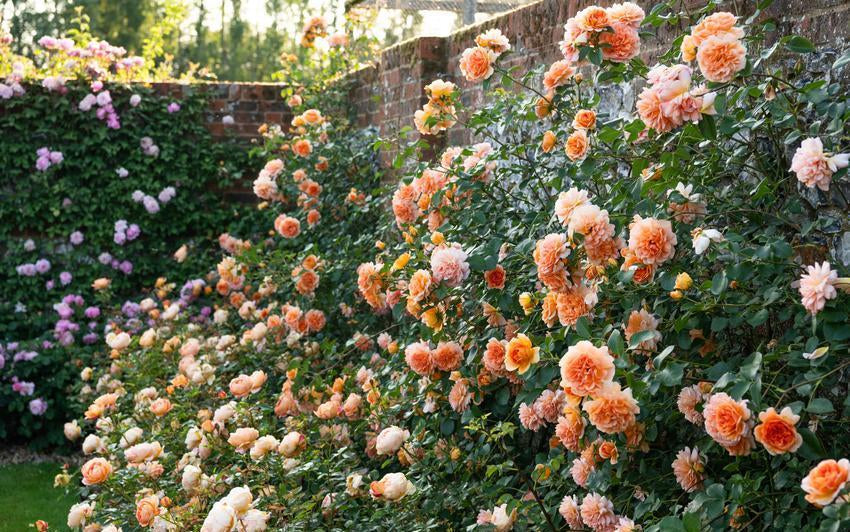
Think Beyond the Border: Growing Shrub Roses as Short ClimbersWhen choosing a rose for a garden wall, arch, or obelisk, most gardeners naturally turn to the traditional climbing section of the catalogue. Yet, the perfect vertical accent for your garden might not be a conventional climber at all.
-
Shaping Outdoor Spaces: Miria Harris On Garden Design In Easter LondonI once had one of my gardens described as a firework display in slow motion. A visual that struck a chord. The idea of a slowmoving theatrical performance is something that is always in my mind when I’m plotting out a garden.