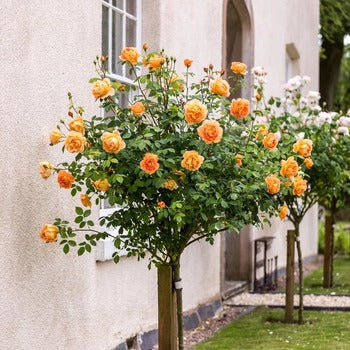


Imagine stepping out into your garden on a warm afternoon and watching it come alive. It is not just about the gentle hum of a bumblebee; it is the delicate flutter of a butterfly, the hover-and-dart acrobatics of a hoverfly, and the busy work of tiny solitary wasps and beetles. Together, this diverse crew keeps our natural world turning.
You can easily create a beautiful garden that serves as a vital refuge for all of these creatures. The secret lies in understanding how this wide variety of insects interacts with your flowers.
Different insects have entirely different body shapes, strength levels, and tongue lengths. Because of this, the physical structure of a rose determines exactly which pollinators can access its rewards.
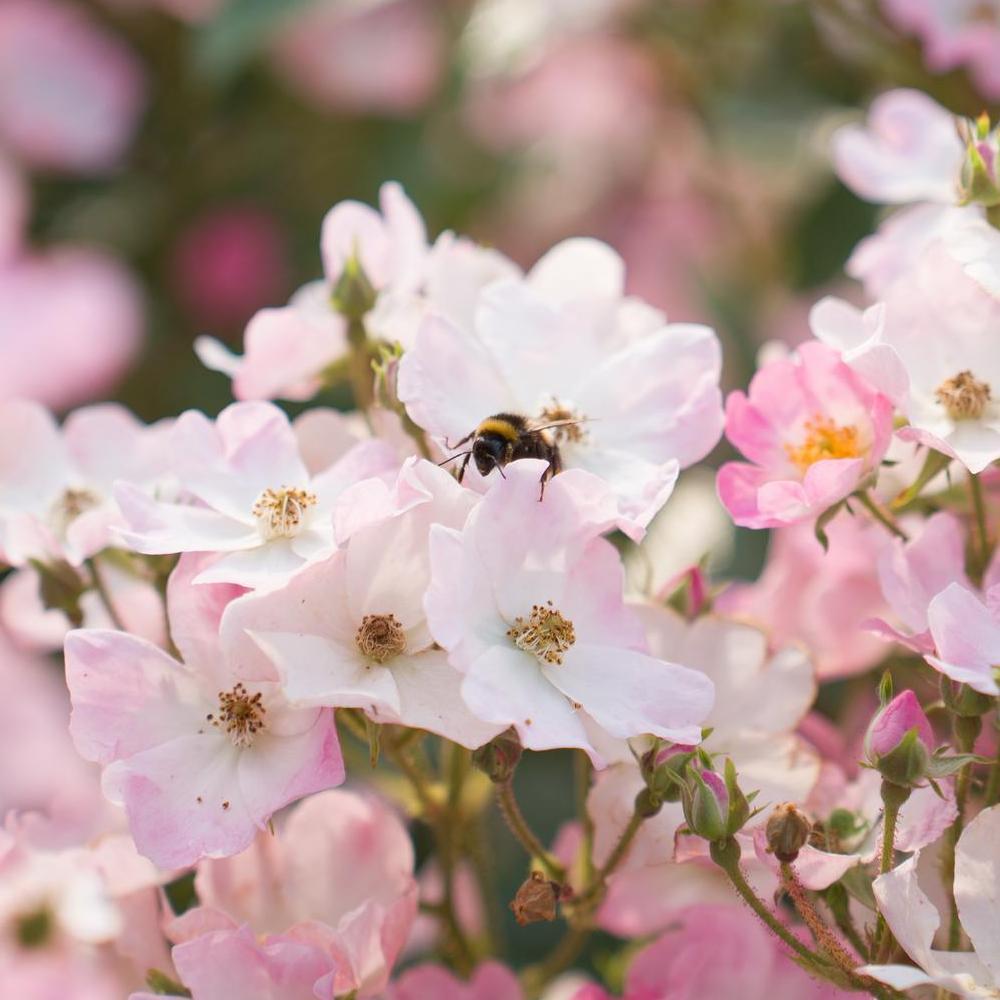 Single Bloom
The Open Invitation
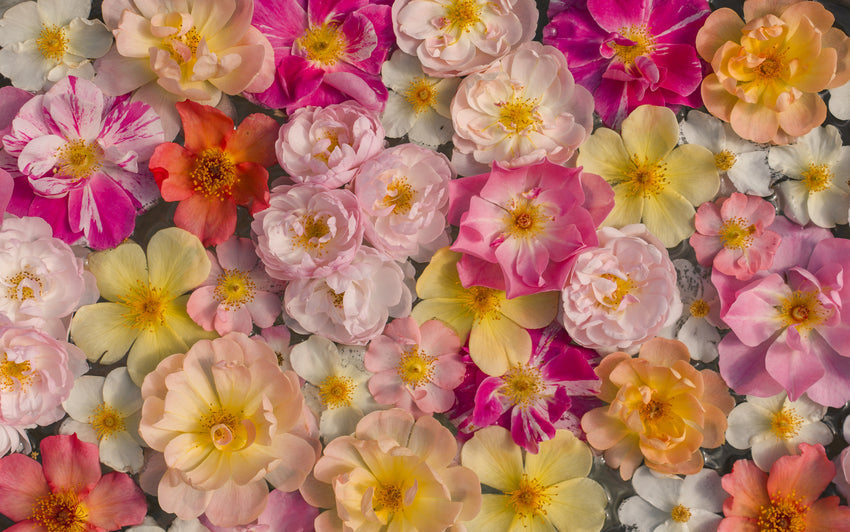
These classic flowers feature just one ring of flat petals, completely exposing the bright golden centre. This layout is a universal favourite. Butterflies love them because they provide a wide, flat landing pad for their large wings. Hoverflies and beetles, which lack the strength to push past petals, can easily crawl right up to the pollen.
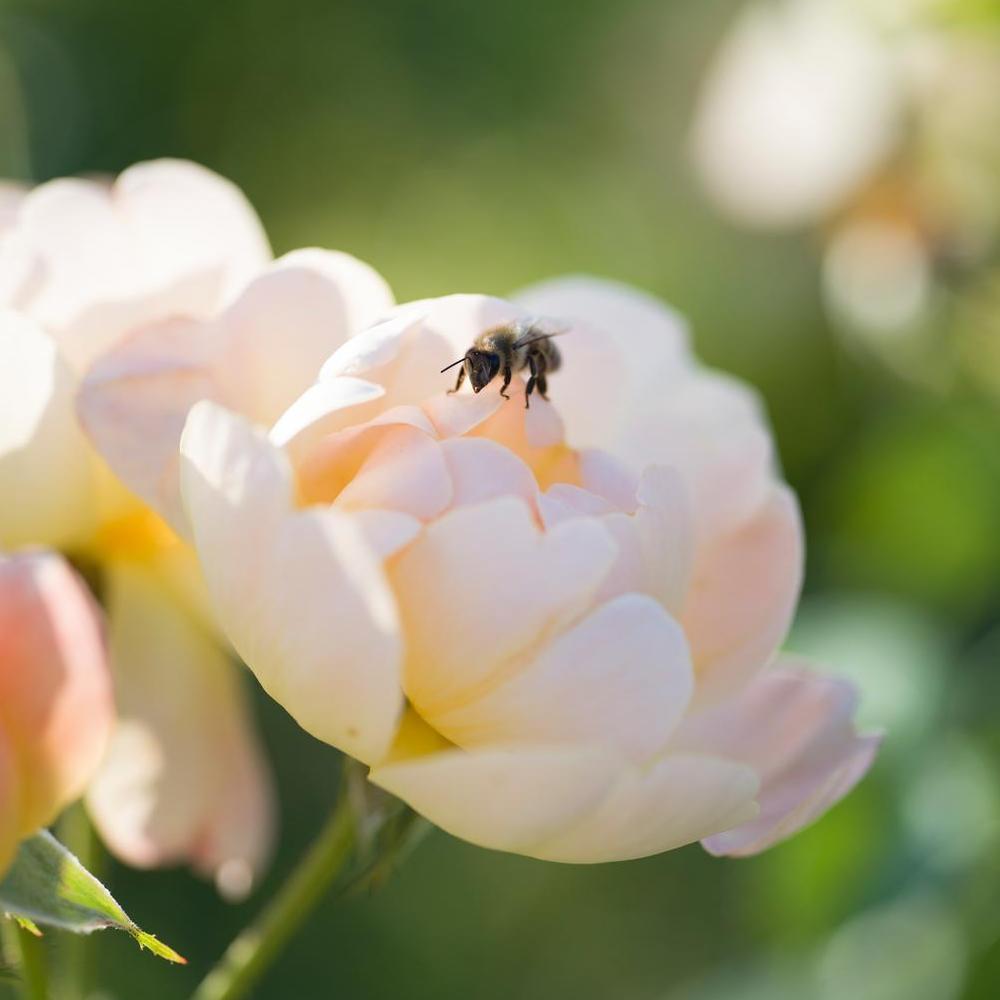 The Semi-Double Bloom
A Haven for bees
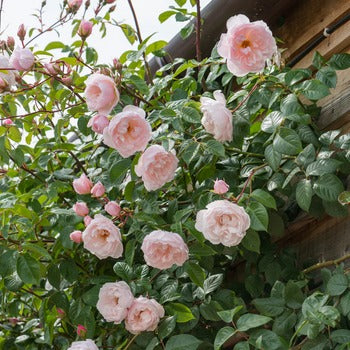
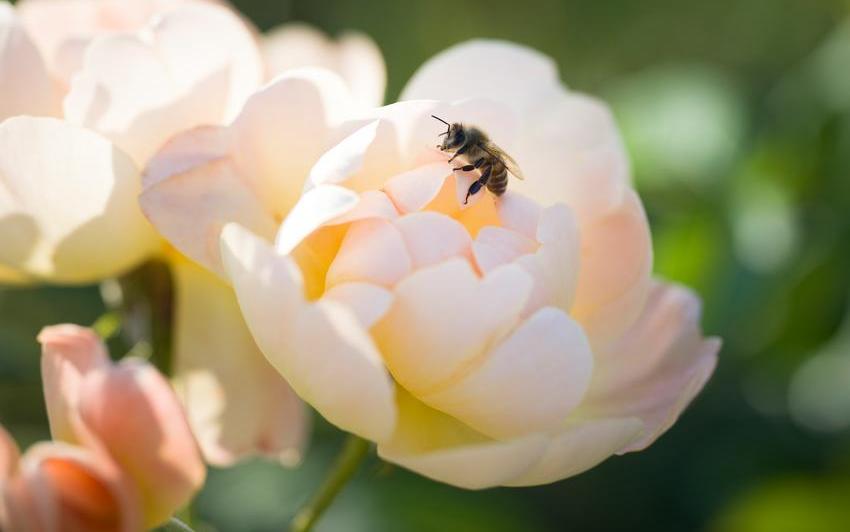
With two or three layers of loose petals, these roses look delightfully lush. As the flowers mature and stretch open in the sun, they reveal their central treasures. Stronger insects, like chunky bumblebees, love climbing into these loose cups to rummage around for food.
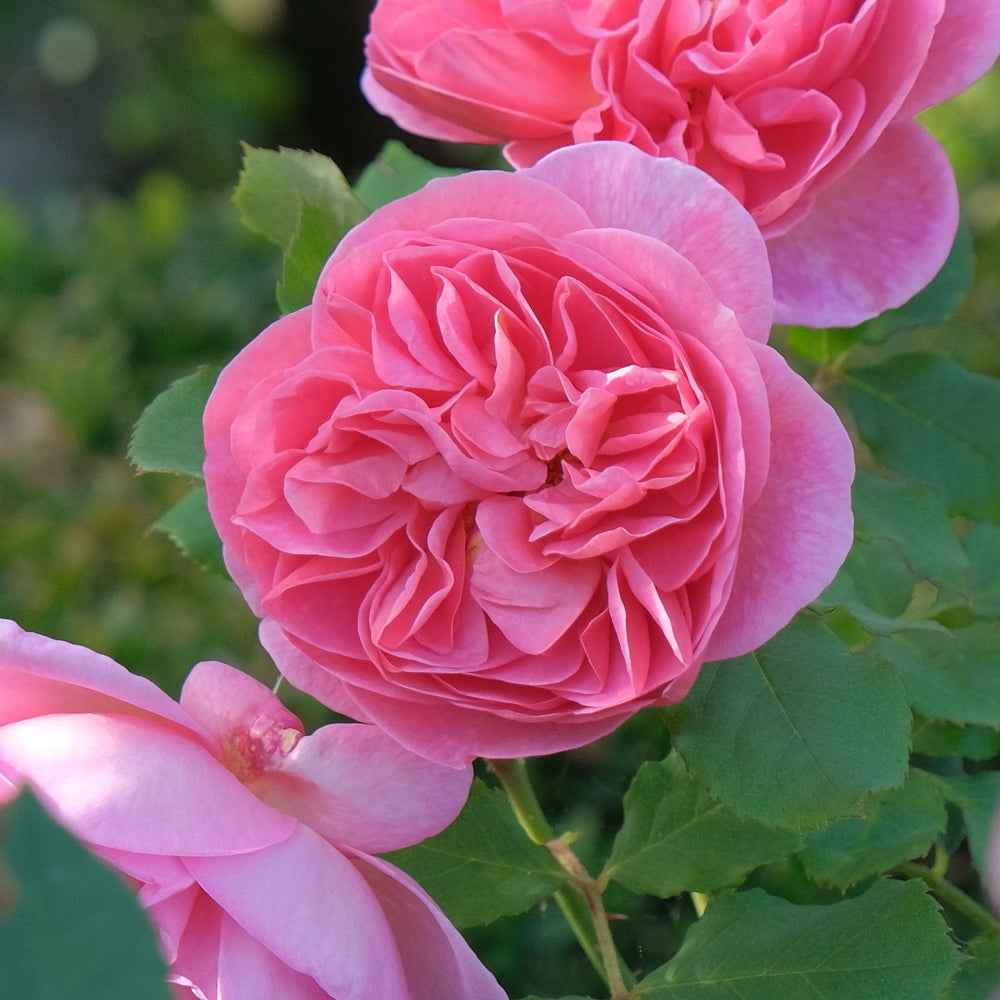 The Fluffy Vault
What to Avoid
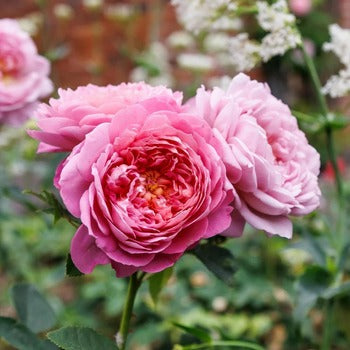
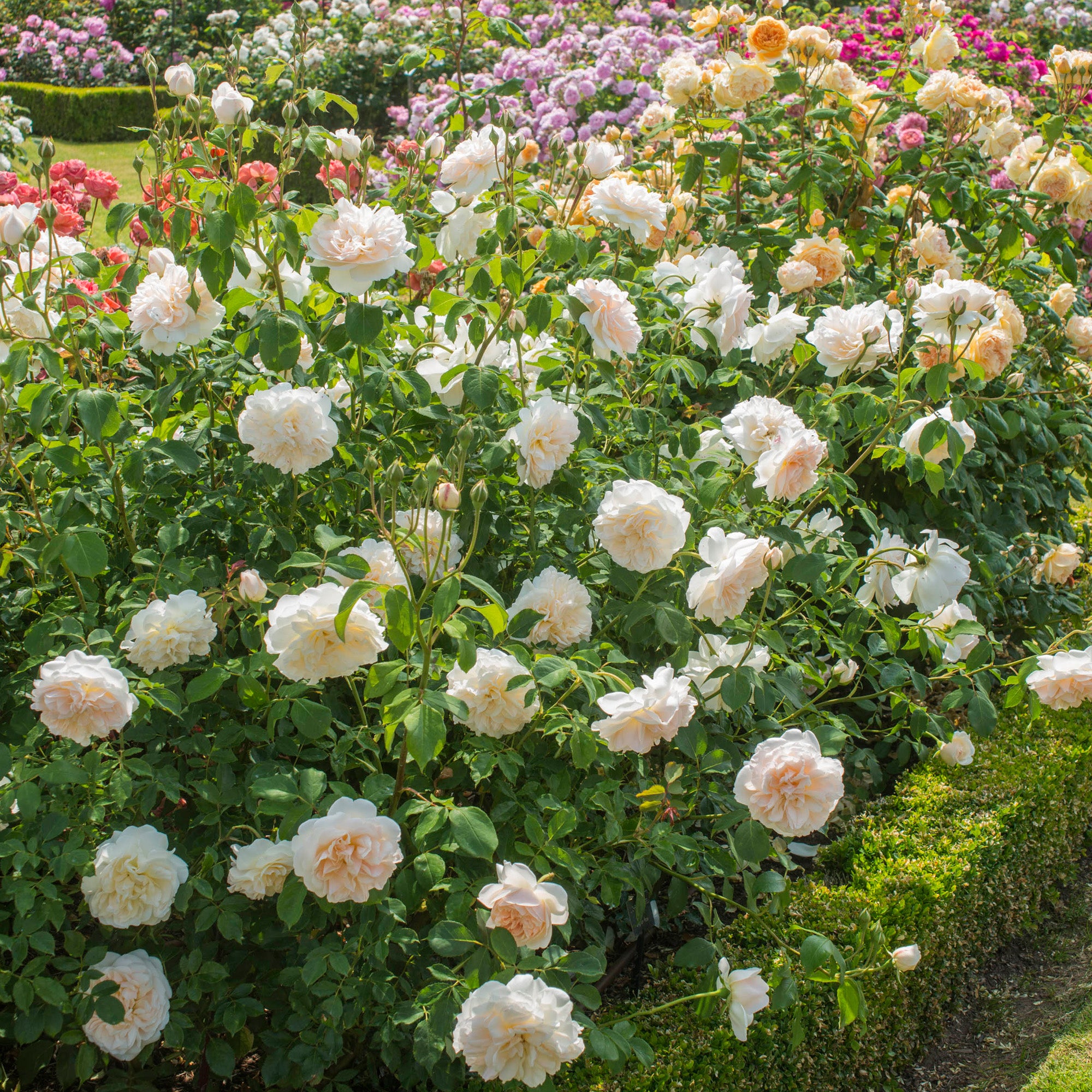
Roses bred to have dozens of tightly packed petals might look like beautiful, fluffy pom-poms, but they act like a locked vault. Most insects simply cannot squeeze through the dense layers, leaving the pollen completely out of reach.
Insects do not view your garden the way humans do. They use an advanced mix of vision and smell to track down their next meal, and different pollinators are drawn to different signals
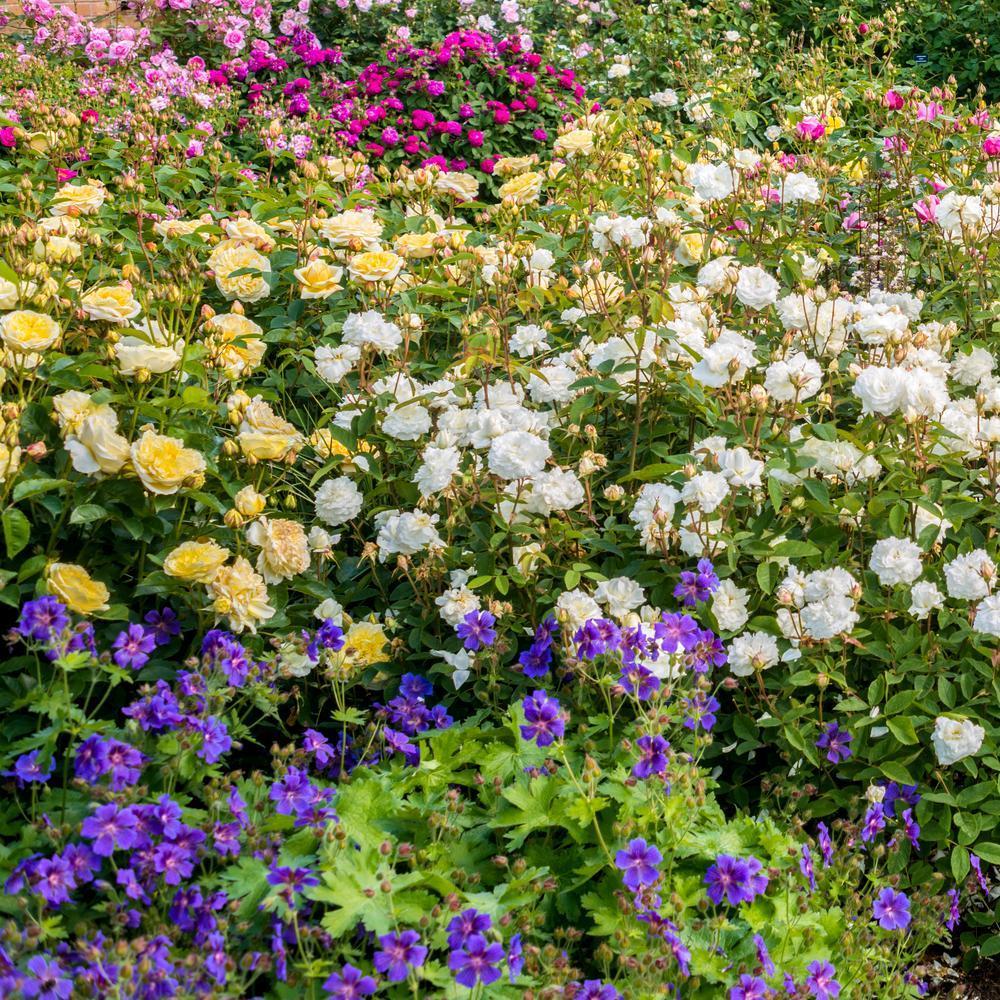
The Power of Yellow and White
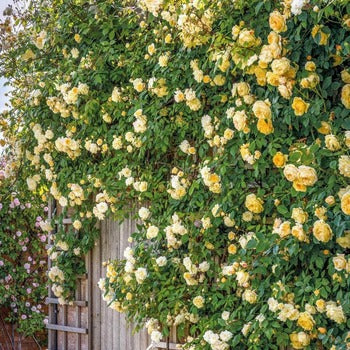
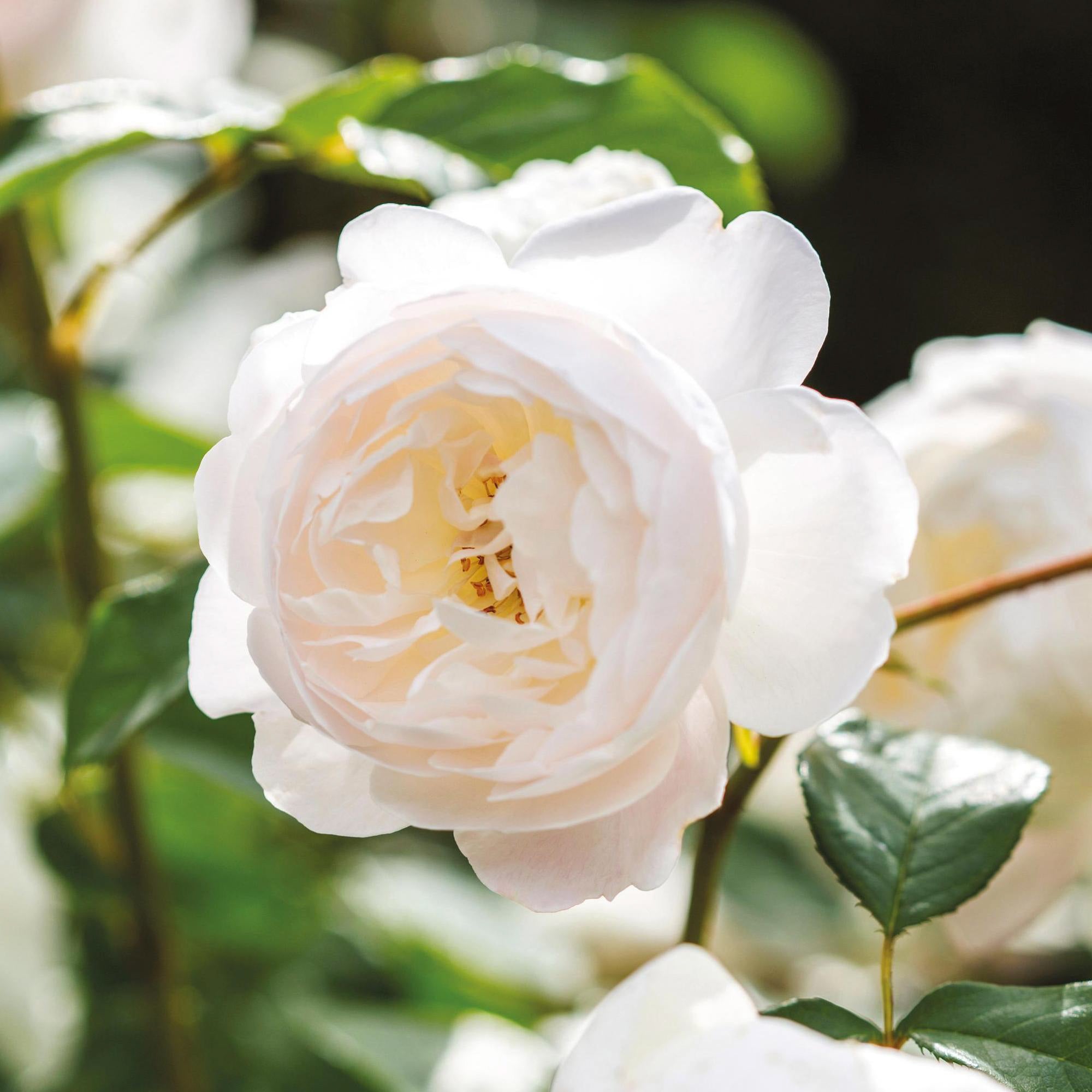
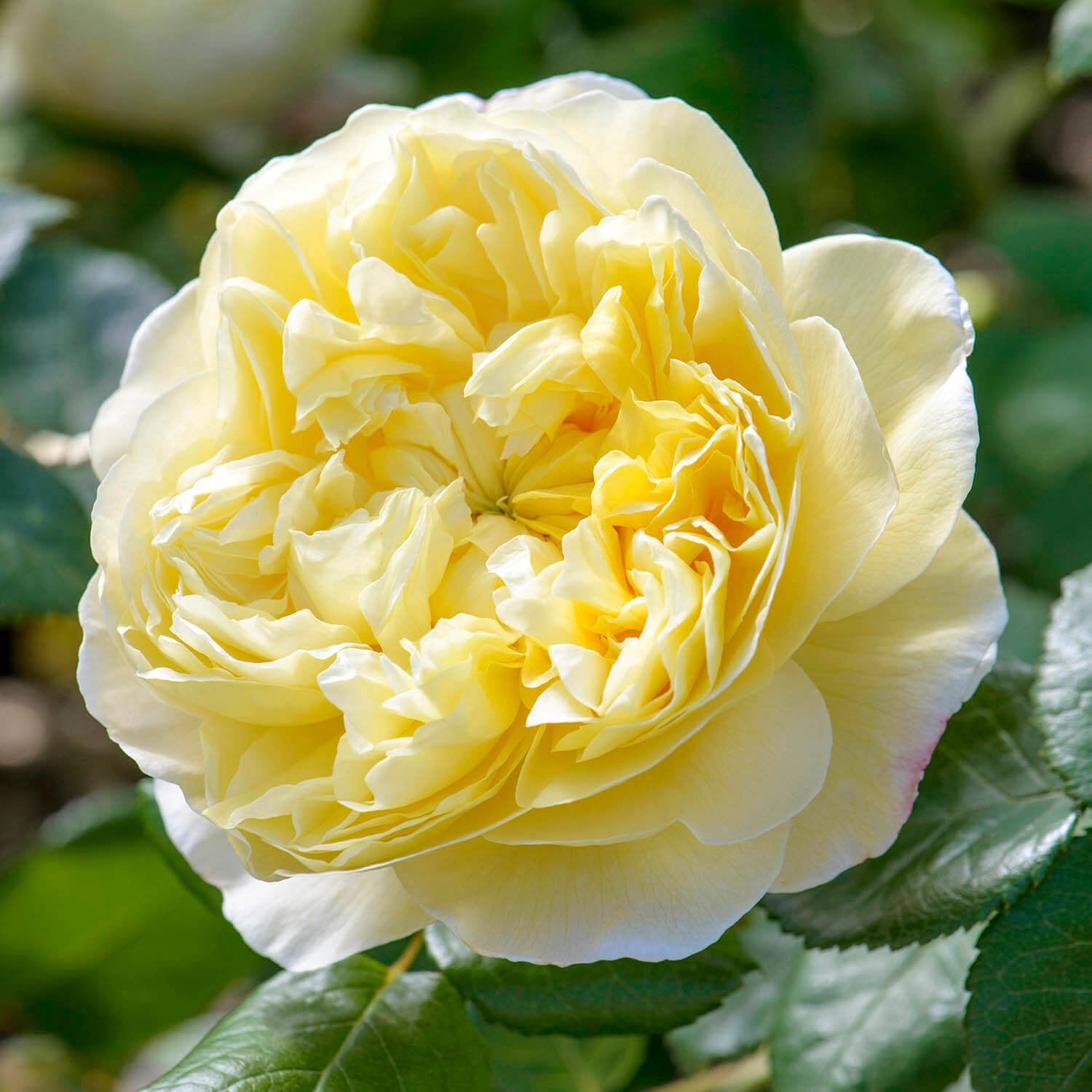
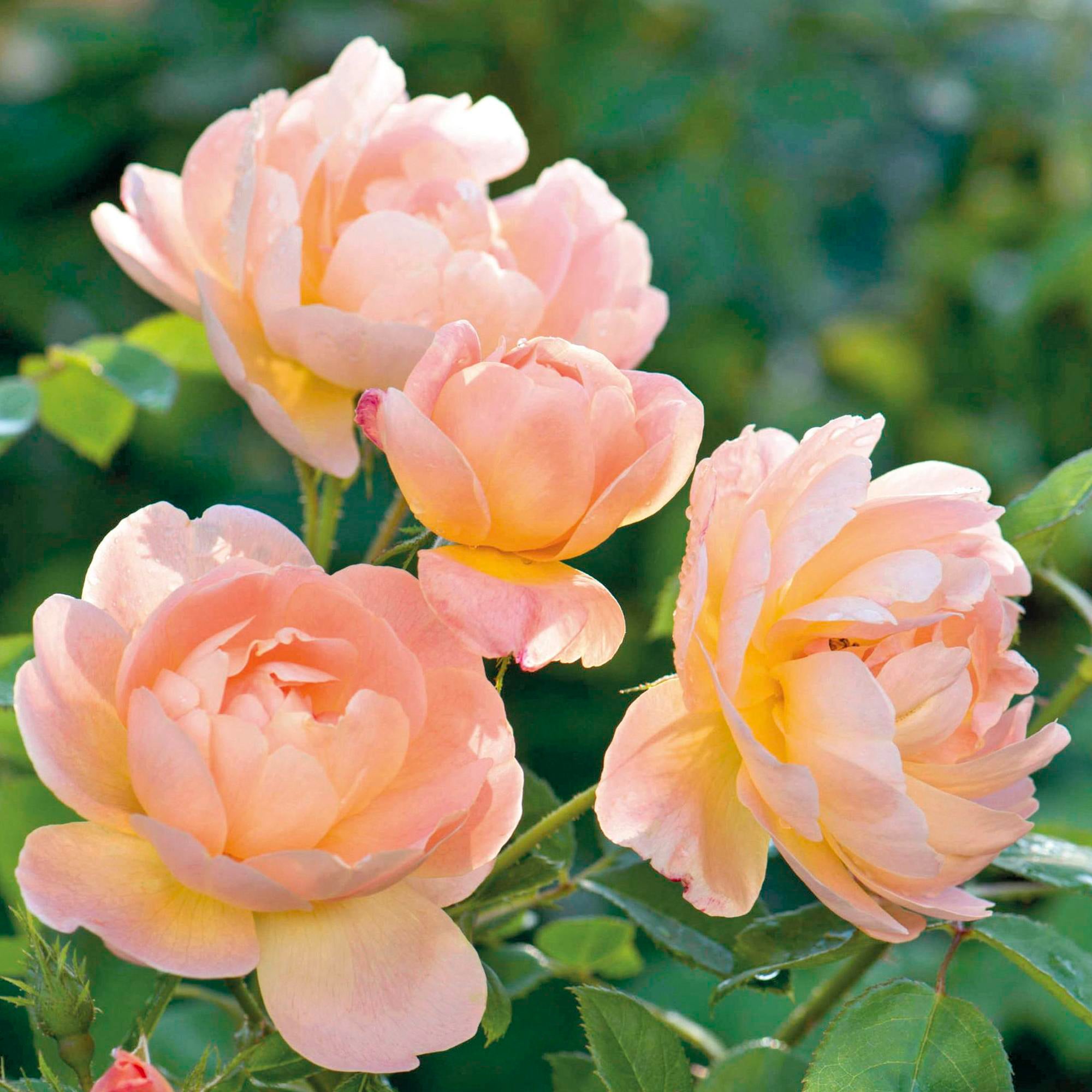
Shop yellow & whiteYellow and white roses act like brilliant neon signs. Because the centre of a rose is almost always golden, a lighter petal creates a high-contrast bullseye. Hoverflies and solitary bees are highly visual and will fly straight toward these bright targets. Muted pinks and soft apricots work beautifully in the exact same way.

The Crimson Silhouette
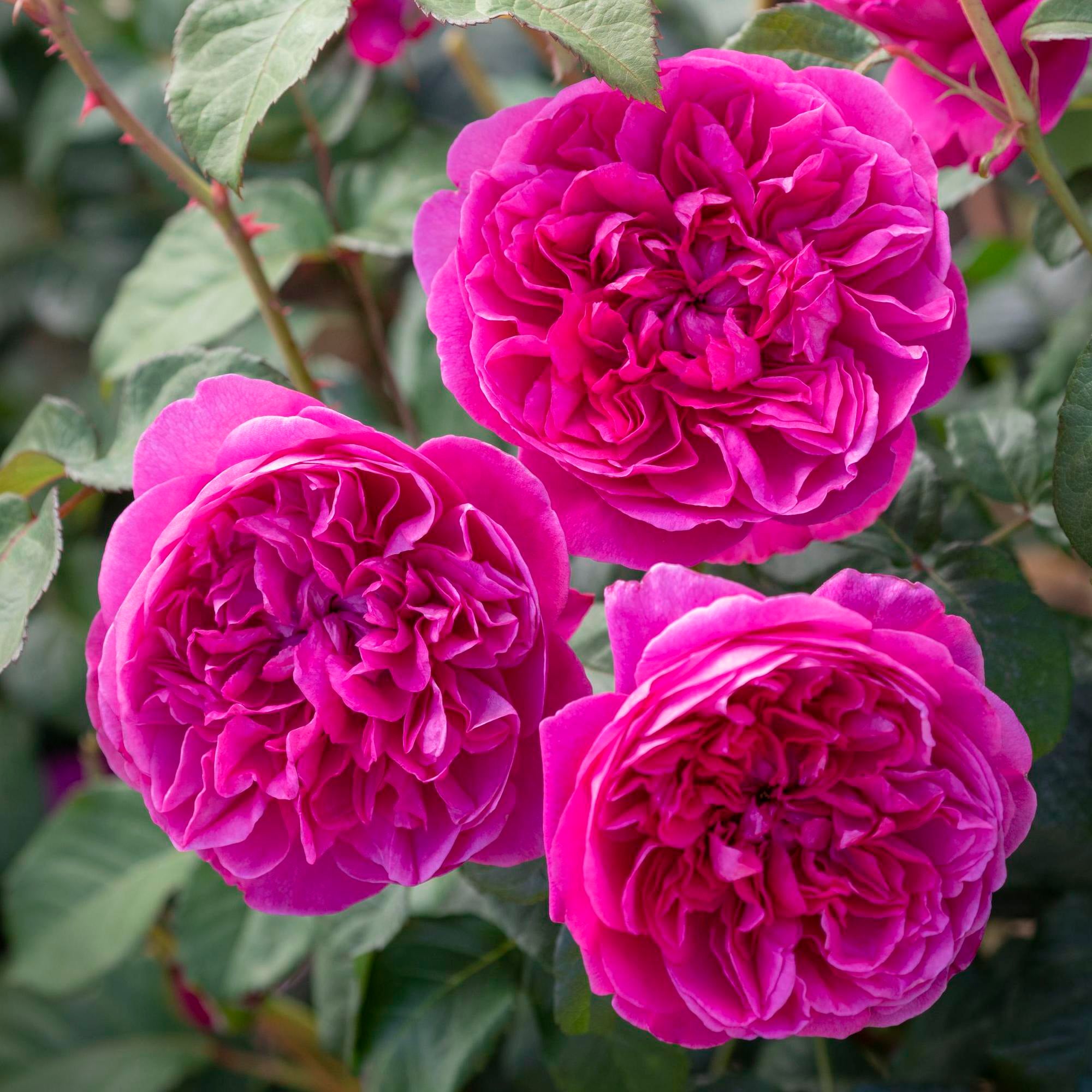
Interestingly, many insects - especially bees - do not see the colour red clearly; to them, it looks like a dark shadow against green leaves. However, nature has a clever workaround. Butterflies and certain moths possess excellent red vision and are highly attracted to these deeper tones, especially if the rose releases a rich, sweet perfume to guide them in.Shop crimson

Because different insects crave different types of flowers, pairing your roses with complementary plants creates a complete, balanced buffet. While roses offer wide-open landing pads, adding tubular or tiny clustered flowers nearby ensures that every type of pollinator finds exactly what it needs.
- Catmint (Nepeta): This low-maintenance plant forms a soft carpet of lavender-blue flowers beneath your roses. Its long, tubular blooms are a particular favourite for long-tongued insects, including butterflies and bees, providing a steady food source all summer.
- Salvias (Ornamental Sages): Growing in tall, dark purple spires, salvias offer a beautiful visual contrast to the rounded shape of a rose bush. Their hooded flowers are perfectly built for bumblebees to climb into. As a bonus, their aromatic foliage helps naturally deter common garden pests.
- Hardy Geraniums (Cranesbill): These gentle, weaving plants are excellent for filling the soil gap beneath taller rose bushes. Their simple, saucer-shaped flowers in shades of blue, purple, or pink are highly favoured by smaller solitary bees and hoverflies.
-
Roses for the Last Night of the PromsThere are few evenings quite like the Last Night of the Proms. Familiar melodies fill the Royal Albert Hall, the audience joins in and music heard and loved for generations is given fresh life once more. This year’s programme got us thinking about the curious connections between music, stories and the names of some of our roses. From Elgar and the Malvern Hills to Britain’s long relationship with the sea, each offers a thread to follow from the concert hall into the garden.
-
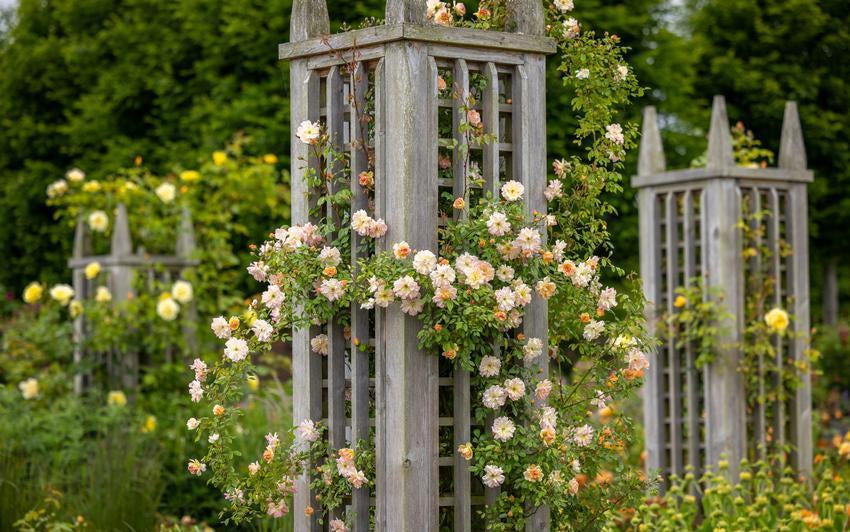
Climbing Roses for Arches, Obelisks and PillarsThere is always room for another rose. When borders are full, the answer is often simply to look upwards. Climbing roses can transform arches, obelisks and pillars into wonderfully abundant garden features, bringing flowers and fragrance to eye level and above. They can tumble over an entrance, rise from the middle of a border or soften a simple post with foliage and bloom. And, with the right rose and a little thoughtful training, they need surprisingly little ground space to make quite an impression.
-
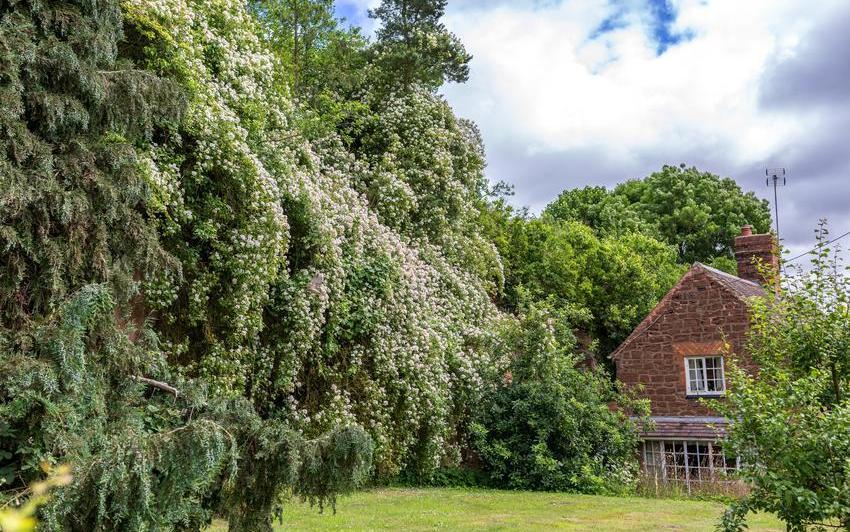
How to Plant and Grow a Rambling Rose Up a TreeRambling Roses have a natural affinity with trees. Their long, vigorous stems can be encouraged upwards into the branches, where they gradually weave through the canopy and open their flowers amongst the leaves. As the rose matures, the effect becomes increasingly natural, with great trusses of bloom appearing high above the ground and tumbling softly from the branches.
-
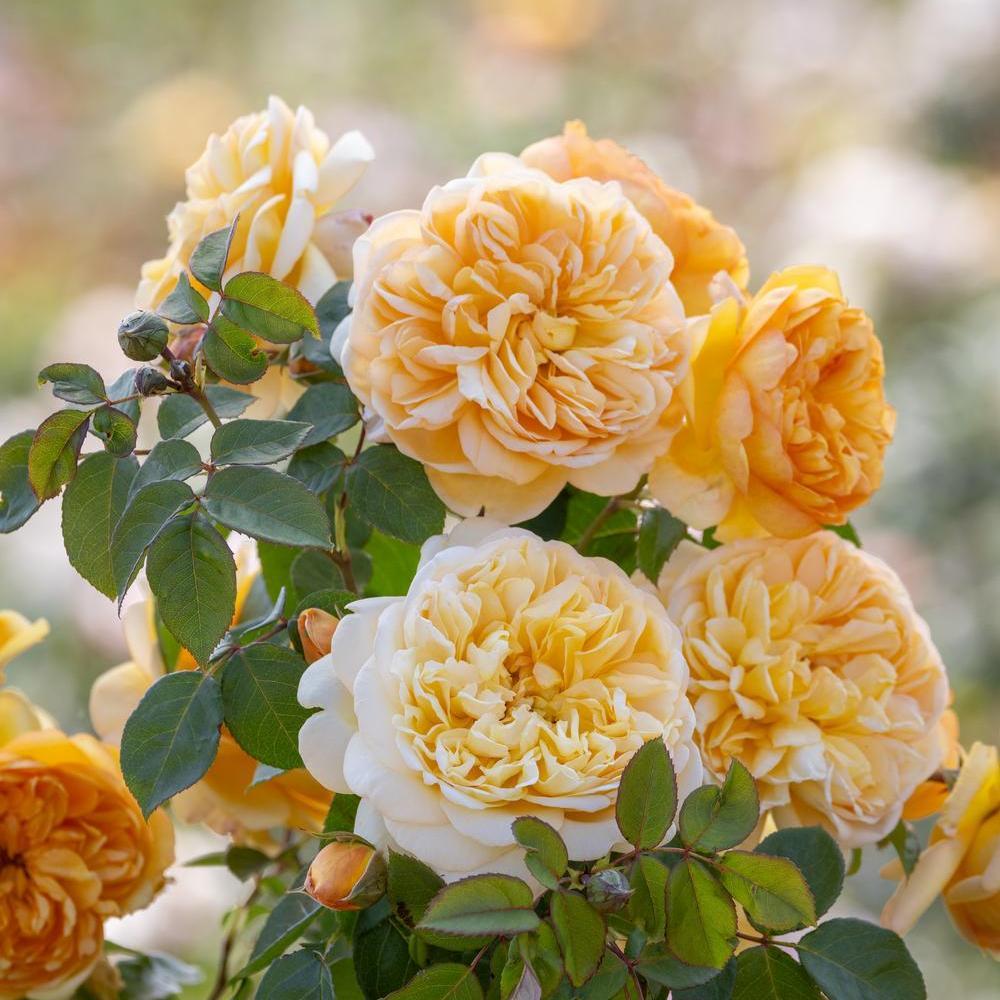
Using Yellow Roses to Bring Light and Warmth to the GardenYellow roses have a particular way of bringing light into the garden. From the palest lemon to rich, glowing gold, their colours can feel wonderfully inviting without necessarily being bold, illuminating a border much as sunshine does.

-
Rose Bloom Shapes: A Guide to the Different Types of Rose FlowersNo two roses are quite alike. Colour and fragrance may be what first catch the eye, but look a little closer and it is often the shape of the flower that gives a rose its particular character. Some blooms are simple and open, their golden stamens on full display. Others are made up of layer upon layer of petals, slowly unfurling into wonderfully intricate flowers. These different rose bloom shapes are the result of centuries of careful breeding and selection.
-
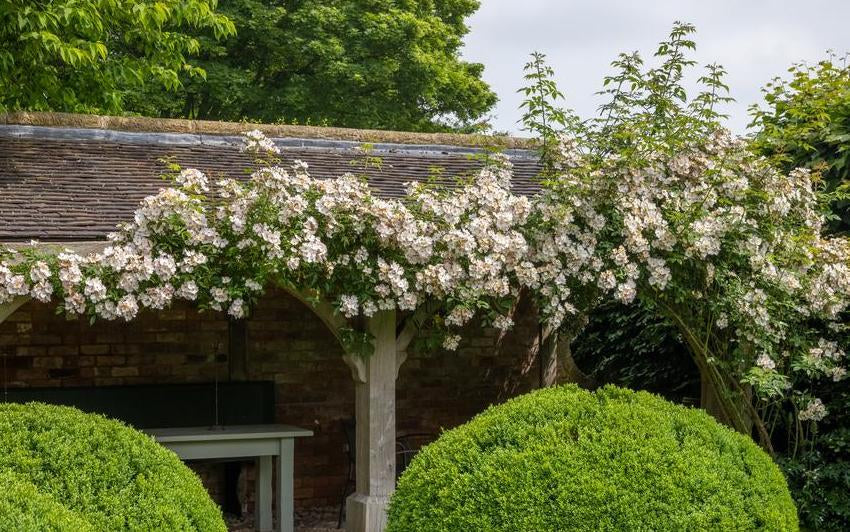
How to Grow Climbing and Rambling Roses Over a PergolaBy early summer, a pergola clothed in roses can bear little resemblance to the structure beneath. Strong posts disappear behind leafy stems, flowers gather at eye level and, overhead, long canes wander from beam to beam, carrying loose clusters of bloom with them. On warm days, fragrance lingers beneath the canopy and fallen petals scatter the path below.