

Preparing Your Roses for the First Frost
The mornings are crisper, the light is softer and there is a hint of frost in the air. As the garden begins to settle into its winter rest, now is the perfect moment to prepare your English roses, so they come back stronger, healthier and more floriferous than ever next summer.
The good news is that English roses are remarkably hardy. In most gardens they will sail through winter with very little fuss. A few simple tasks now will help them rest well, stay healthy and avoid the damage that cold winds and wet soil can bring.


Let Your Roses Slow Down Naturally
By now your roses should be gently winding down, and it is best to let them. Feeding with a liquid fertiliser should have stopped by late summer, as fresh, soft growth encouraged in autumn is easily damaged by frost.
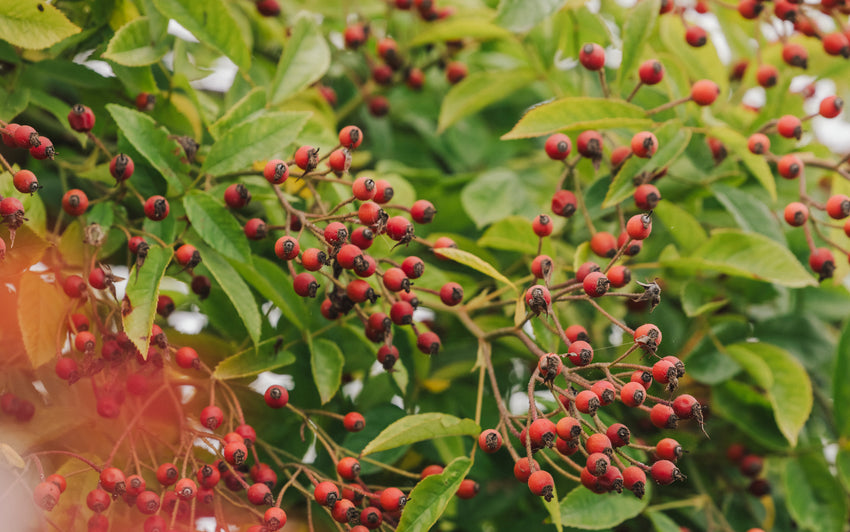
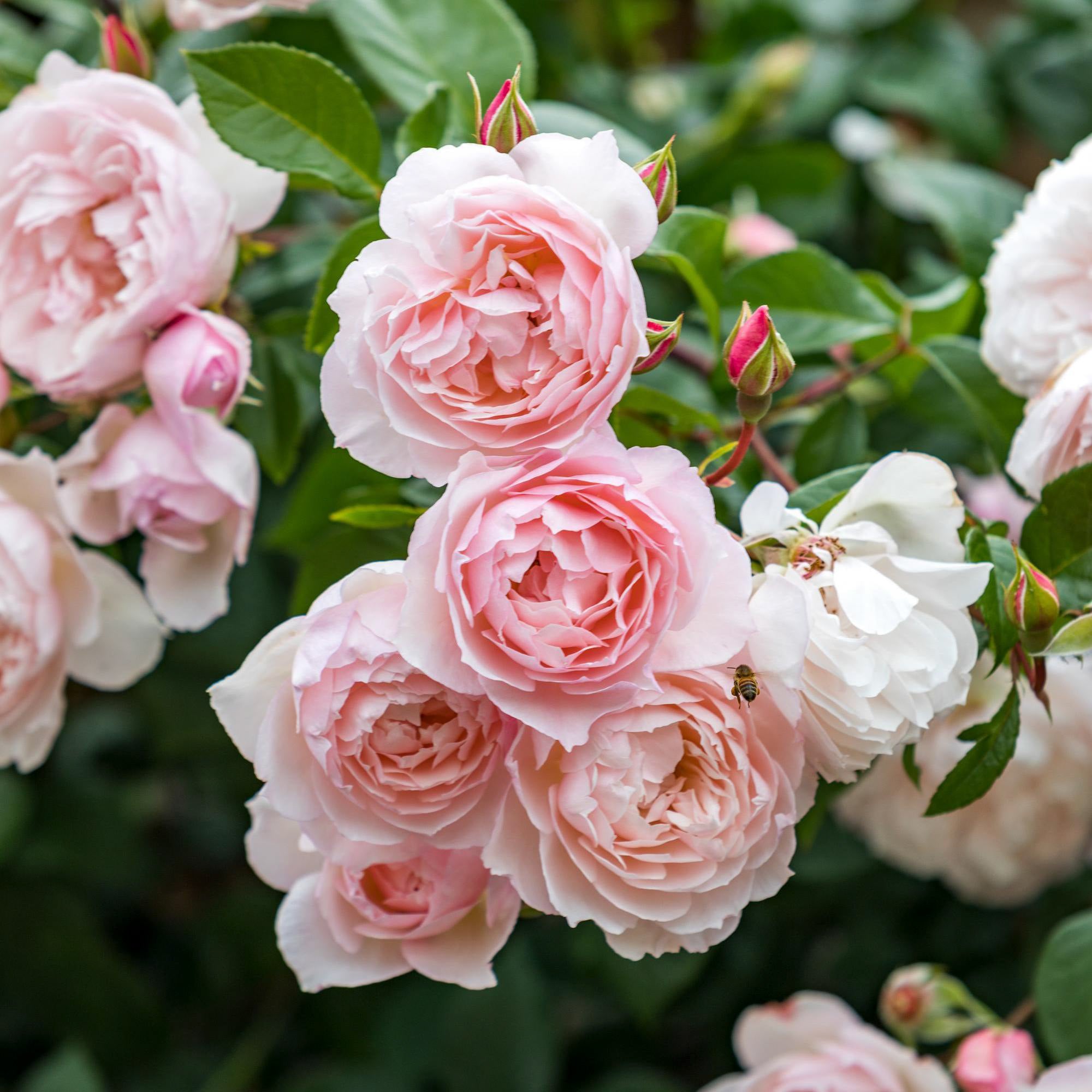
Some roses will reward you with clusters of glossy red and orange hips, bringing colour to the winter garden and a welcome feast for the birds. To enjoy them, simply leave the last blooms on the plant toward autumn’s end. The rose will do the rest.

Tidy Up Fallen Leaves
As the leaves drop, gather them up from around the base of your roses and dispose of them away from the garden rather than adding them to your compost. Fungal spores such as blackspot can overwinter on fallen foliage and splash back onto new leaves in spring.
It only takes a few minutes, but this simple habit is one of the most effective ways to keep your roses healthy next year. While you are there, remove any leaves still clinging to the plant that show signs of disease.

Protect Against Winter Winds
Taller shrub roses can catch the wind in winter storms, and the rocking motion loosens the roots and can damage the base of the plant. To prevent this, lightly shorten any long, whippy stems by around a third. This is not a proper prune, just a tidy to reduce the height and keep the plant steady.
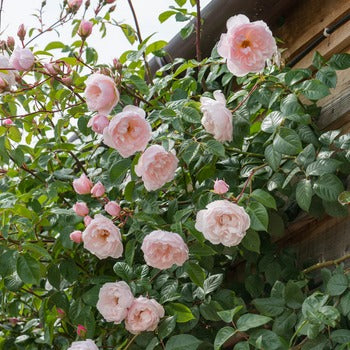
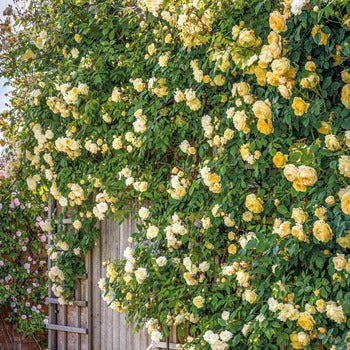
For climbing and rambling roses, check that stems are securely tied in to their supports, and that walls, trellis and obelisks are sturdy enough to stand up to a winter gale. Loosen any ties that are cutting into the stems and replace them where needed.
Mulch to Protect the Roots
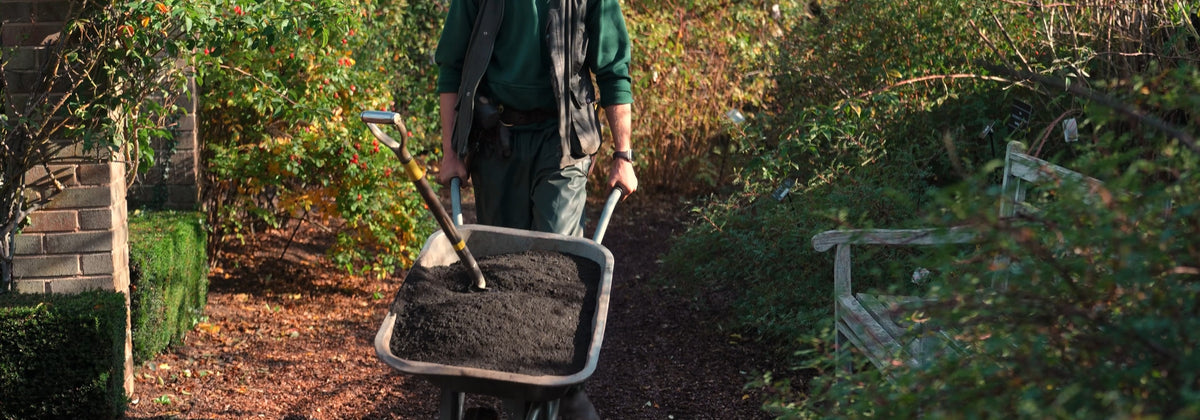
Once the leaves are cleared, spread a generous layer of well-rotted manure or garden compost around the base of each rose, about 5 to 7cm deep. A mulch insulates the roots against hard frosts, conserves moisture and slowly feeds the soil over winter.
Keep the mulch a few centimetres away from the stems themselves, as piling it against the bark can encourage rot. Newly planted roses benefit most, as their roots are still getting established.

Give Container Roses Extra Care
Roses grown in pots are more exposed than those in the ground, because their roots have far less soil around them for insulation.
A few small steps will see them safely through:
- Move them somewhere sheltered, such as against a house wall, out of the coldest winds.
- Wrap the pot in hessian or bubble wrap to stop the rootball freezing solid in a prolonged cold snap.
- Raise the pot on feet so water drains freely and the compost does not become waterlogged.
- Check the compost now and then. Pots can dry out even in winter, especially under the eaves, so water lightly if needed, but never when frost is forecast.
What to Avoid This Time of Year
It can be tempting to get the secateurs out for a big autumn tidy, but hard pruning is best left until late winter. Cutting back now can encourage new shoots that will only be caught by the frost. Save the main prune for January or February, when the plants are fully dormant.
Likewise, hold off on feeding until spring, and avoid walking on or digging around your rose beds when the soil is frozen or waterlogged, as this compacts the ground and harms the roots.
Looking Ahead to Next Summer
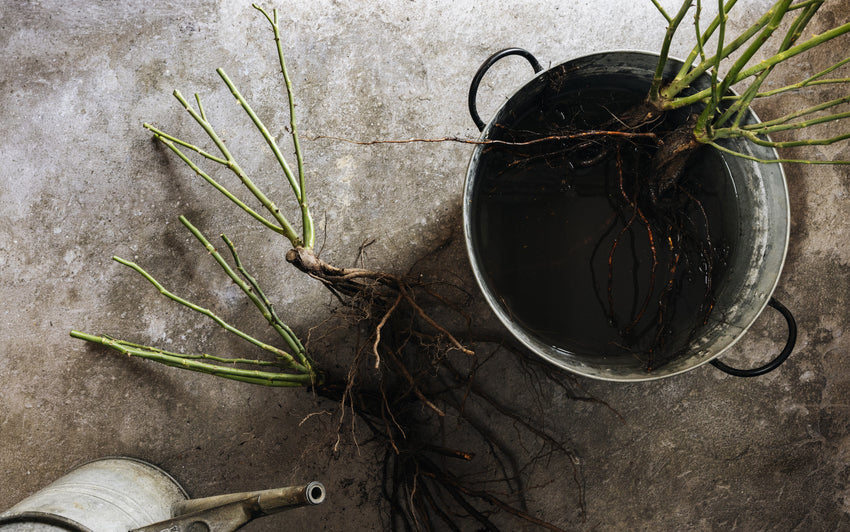
Winter is not only a time of rest. It is also the season for planting bare-root roses, which can go into the ground from November through to March whenever the soil is not frozen. If you have been dreaming of a new rose for a favourite border, now is the moment to plan.
Prepared well in these cooler months, your English roses will rest soundly through the frost and greet the spring with strong, healthy growth. Before long, the garden will once again be filled with their beautiful blooms and unforgettable fragrance.

-
Giving Roses Room to Grow: A Guide to Planting DistancesAllowing the right amount of space between roses is one of the quiet secrets of a well-balanced garden. When shrub roses are planted too closely together, the border can quickly feel crowded as the plants mature. Planted too far apart, however, and the planting may appear sparse, with bare patches of soil between each rose.

-
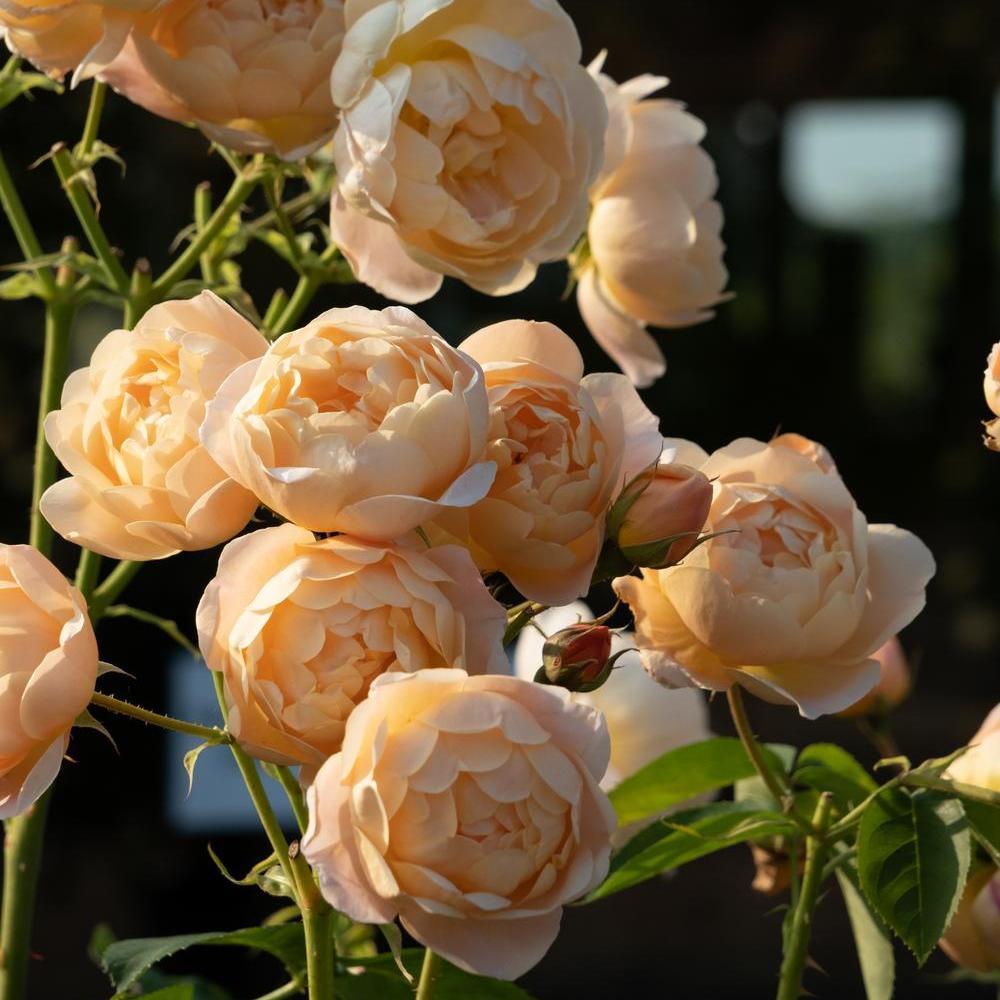
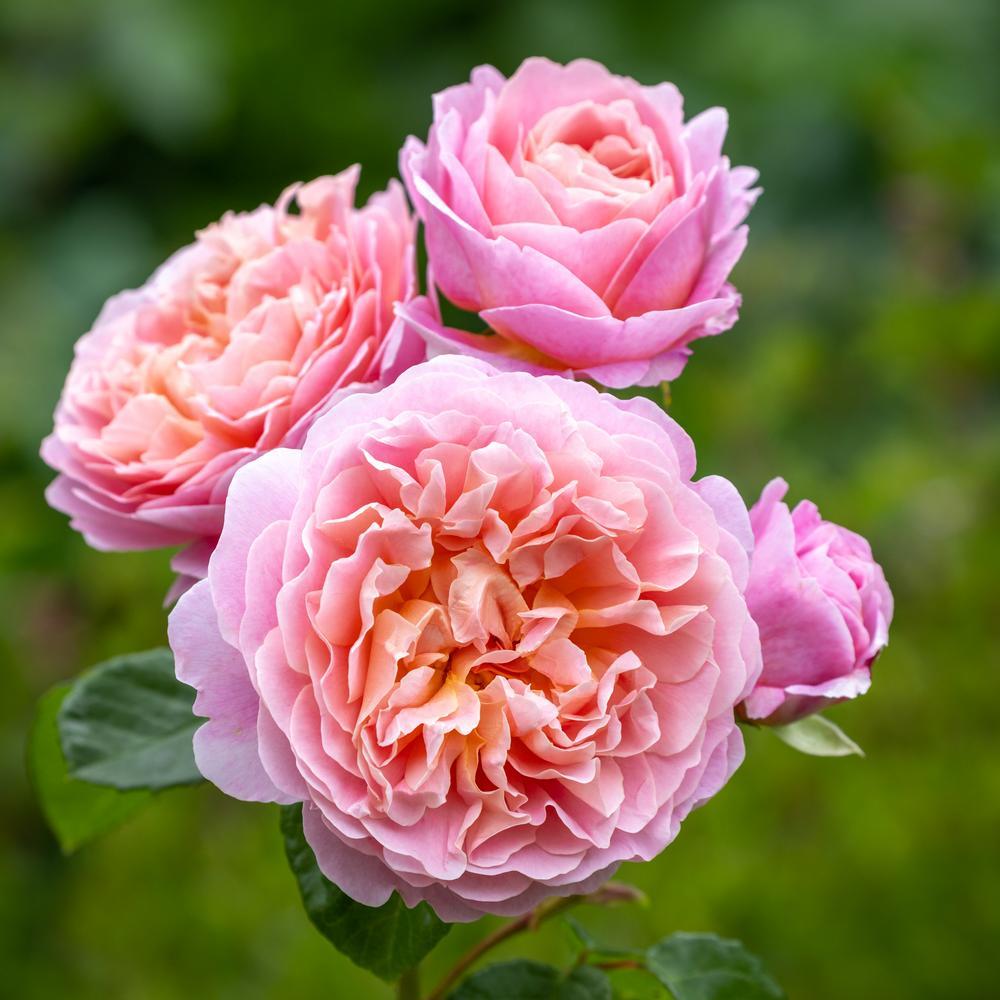
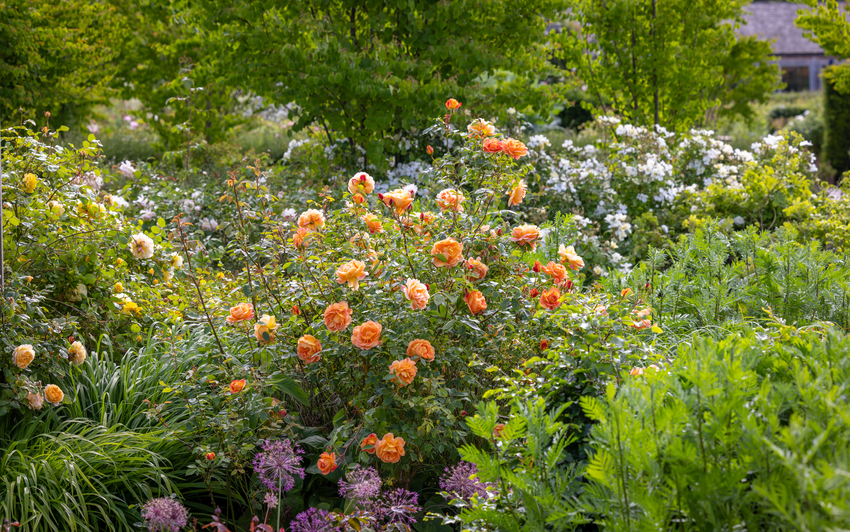
Rose Spotlight - Lady of ShalottLady of Shalott is the kind of rose that draws you across the garden. It arrives as a tight, salmon-red bud, then slowly loosens into a chalice of apricot and gold, as if someone had lit a small lamp inside it. When the evening sun is low, it seems to glow from within, a sight that stays with you long after the light has gone.
-
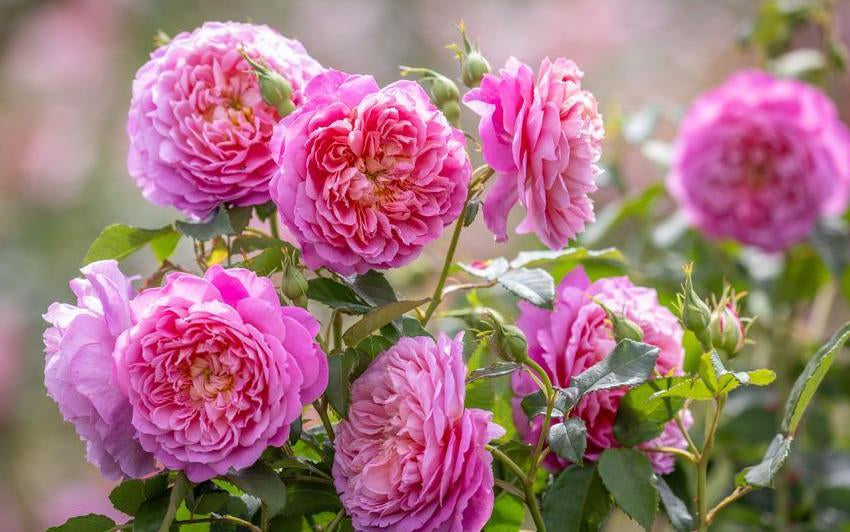
Emma Bridgewater (Ausb44a16): Named in honour of the British potter Emma BridgewaterEmma Bridgewater (Ausb44a16) is an exciting new addition to the English Shrub Rose family, launched in the US in 2026. This medium-sized shrub rose grows broad and upright yet maintains a compact, bushy shape, making it a versatile choice for a variety of garden settings.
-
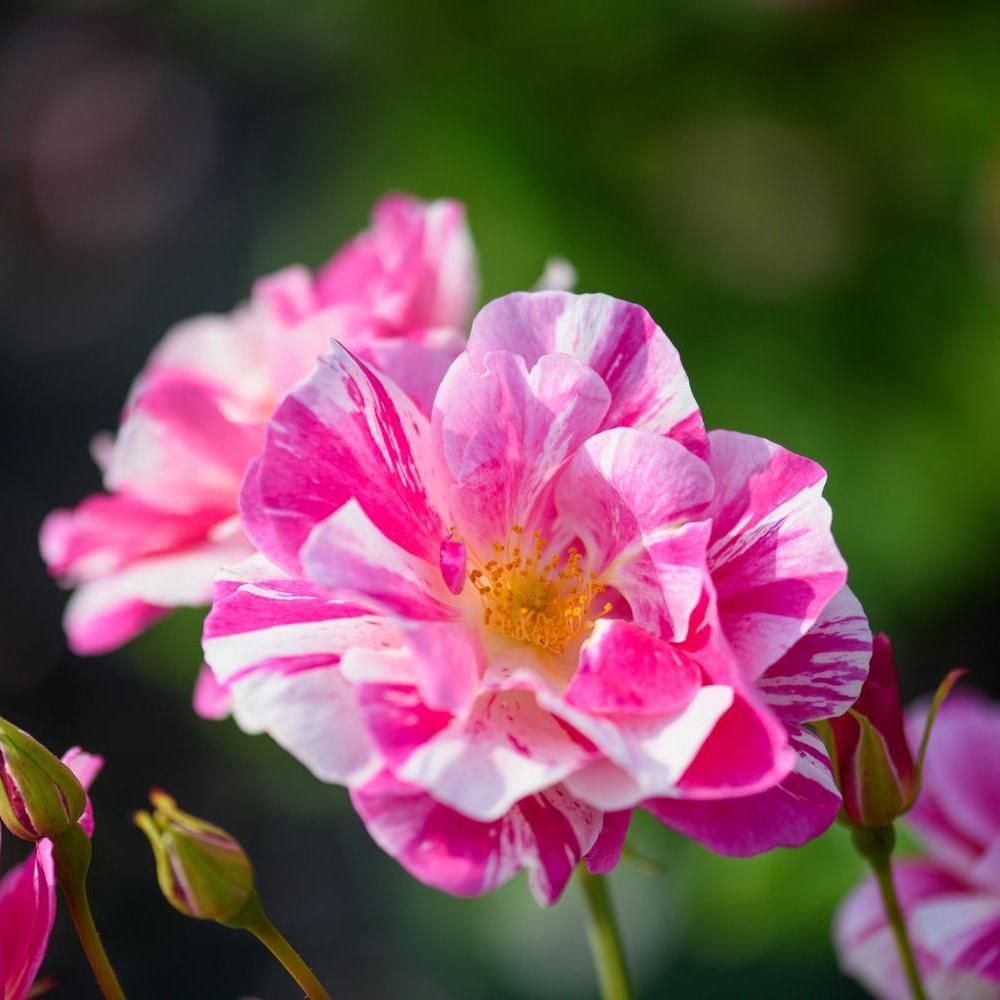
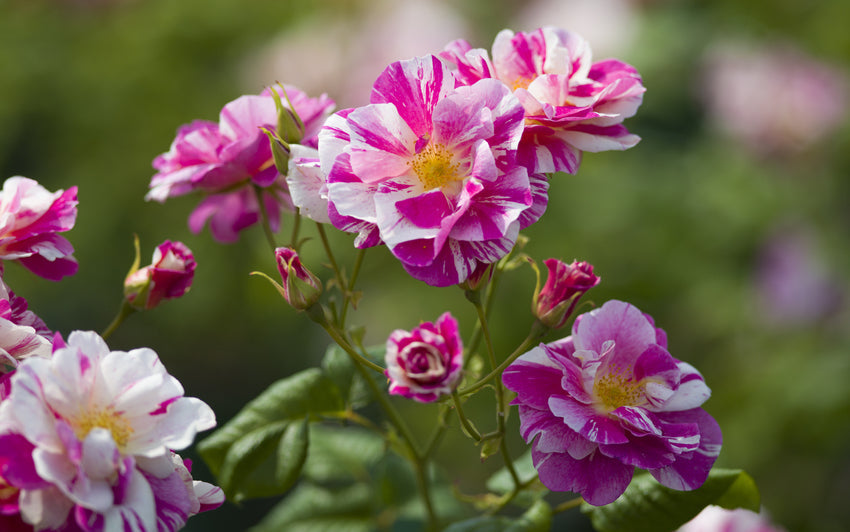
The King's Rose: Our First Striped English Rose, Named in Honour of King Charles IIIEvery so often, a rose appears in our breeding fields that is quite unlike anything we have introduced before. The King's Rose is one such rose. With flowers beautifully striped in shades of fuchsia pink and white, it is the first striped English Rose to be introduced by David Austin. Named in honour of His Majesty King Charles III, it made its debut at the RHS Chelsea Flower Show in 2025 and now begins a new chapter in gardens across America.
-
The Rose Year BeginsFall brings a distinct richness that invites us to slow down and notice the changes. Leaves turn shades of amber and gold, while the lower, softer light catches the borders in the late afternoon. As cooler mornings bring heavy dew and that unmistakable, earthy scent of damp soil, the garden gradually settles down for the season.
-
Roses with Large Blooms: Varieties for Garden ImpactA rose in full flower can transform a garden. Large, many-petalled blooms draw the eye through a border, bring colour to a quiet corner or create a beautiful focal point when grown in a pot.
-
Best Fragrant Roses for Autumn: Scent and Colour Beyond SummerThe fragrance of a rose is never quite fixed. Temperature, humidity, time of day and even the stage of the flower can all influence how its scent is released and experienced. As the warmth of summer begins to soften into autumn, cooler mornings and greater moisture in the air create different conditions for fragrance, and a familiar rose can reveal itself in a rather different way.