
Training Climbing Roses into Decorative Shapes
A gentle guide to sculpting with stems
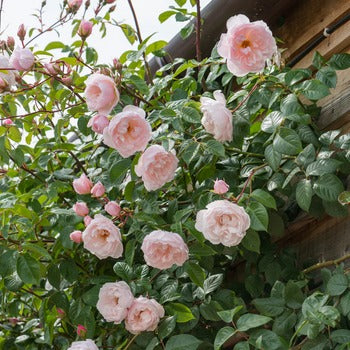
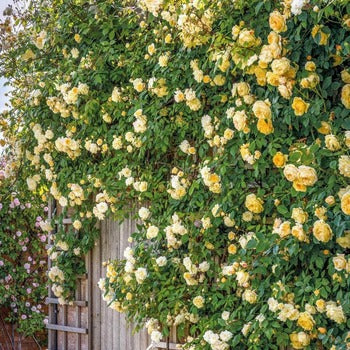
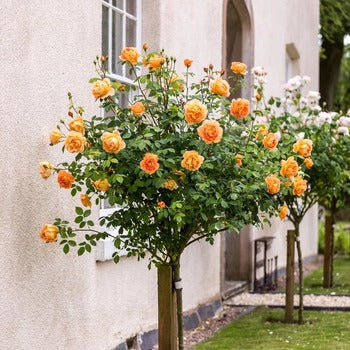
There is a distinct charm in allowing a climbing rose to do more than simply cover a surface. A wall awash with bloom is undeniably lovely, yet when a rose is thoughtfully guided into a deliberate form, such as a sweeping arc, a relaxed swag, or a flowing wave, the effect becomes something altogether more expressive. The plant is not constrained, merely encouraged, its natural grace quietly emphasised.
Decorative training is, in essence, a collaboration. The gardener suggests a direction; the rose responds in its own time.
To shape a rose is not an indulgence, but an enhancement. Carefully guided stems bring flowers into view, soften rigid structures, and introduce a sense of rhythm to the garden. There is also a practical reward. Stems trained away from strict vertical growth tend to produce more flowering shoots. A gently curved cane often becomes, in summer, a ribbon of bloom.
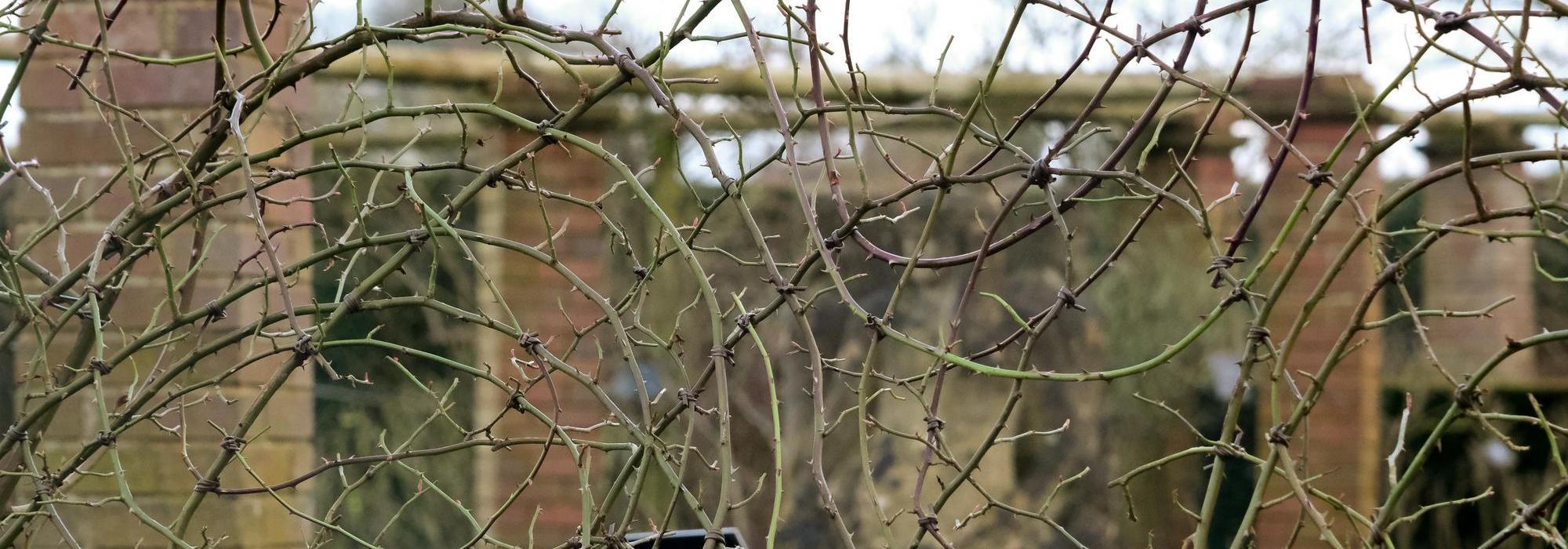
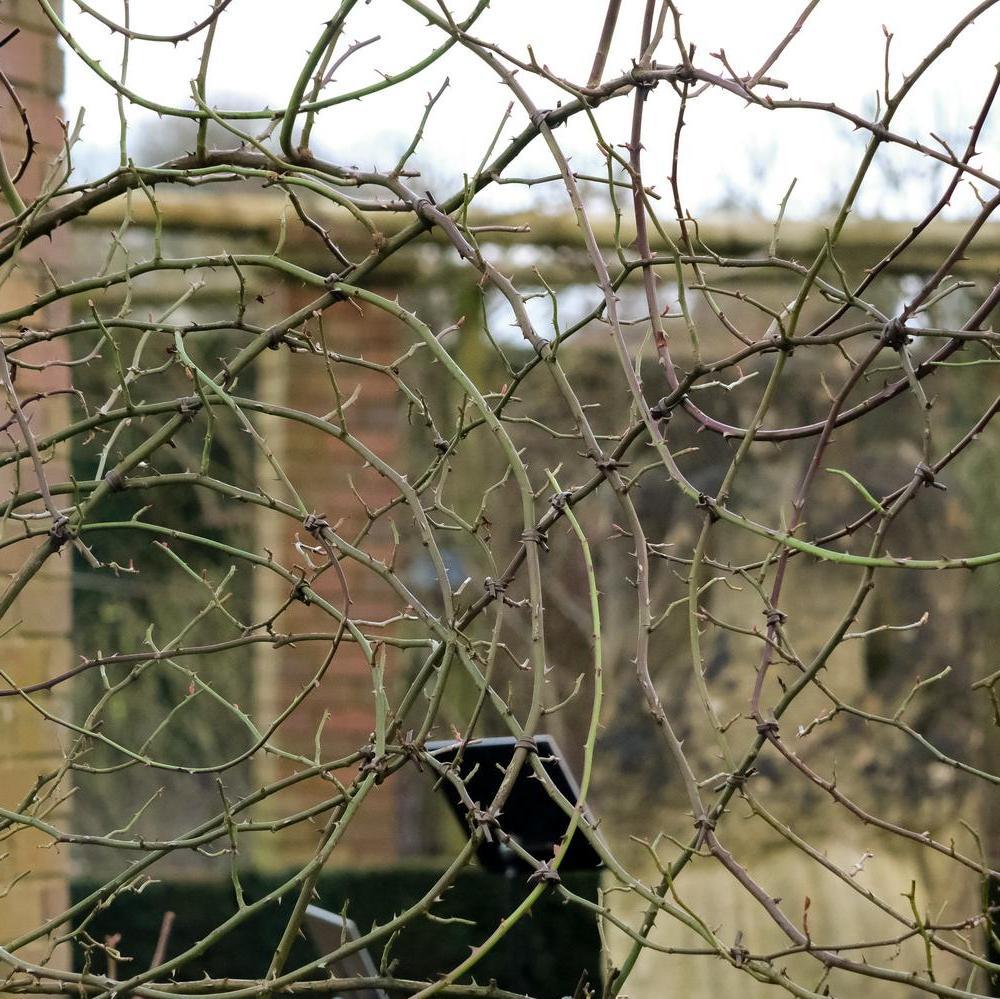
Perhaps most pleasing of all is the year-round interest. Even in winter, when leaves have fallen, the framework of a shaped rose lends quiet structure to the scene.
The essentials are refreshingly simple. Soft garden twine, jute twine, or a product such as Flexi-Tie will prevent damage to stems. Secateurs are useful for removing awkward or surplus growth. Wires, trellis, arches, and pergolas all provide excellent foundations.
Choosing a Willing Partner
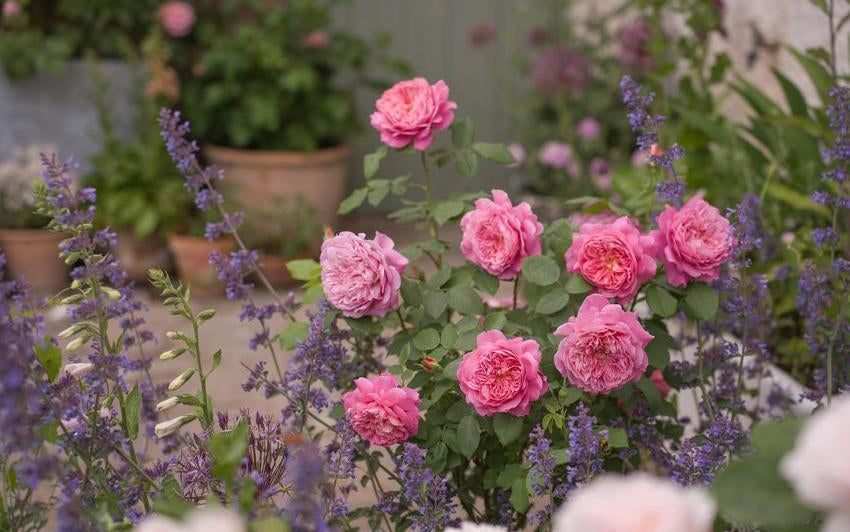
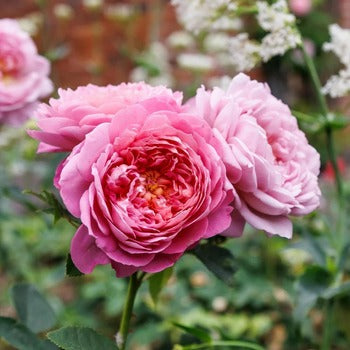
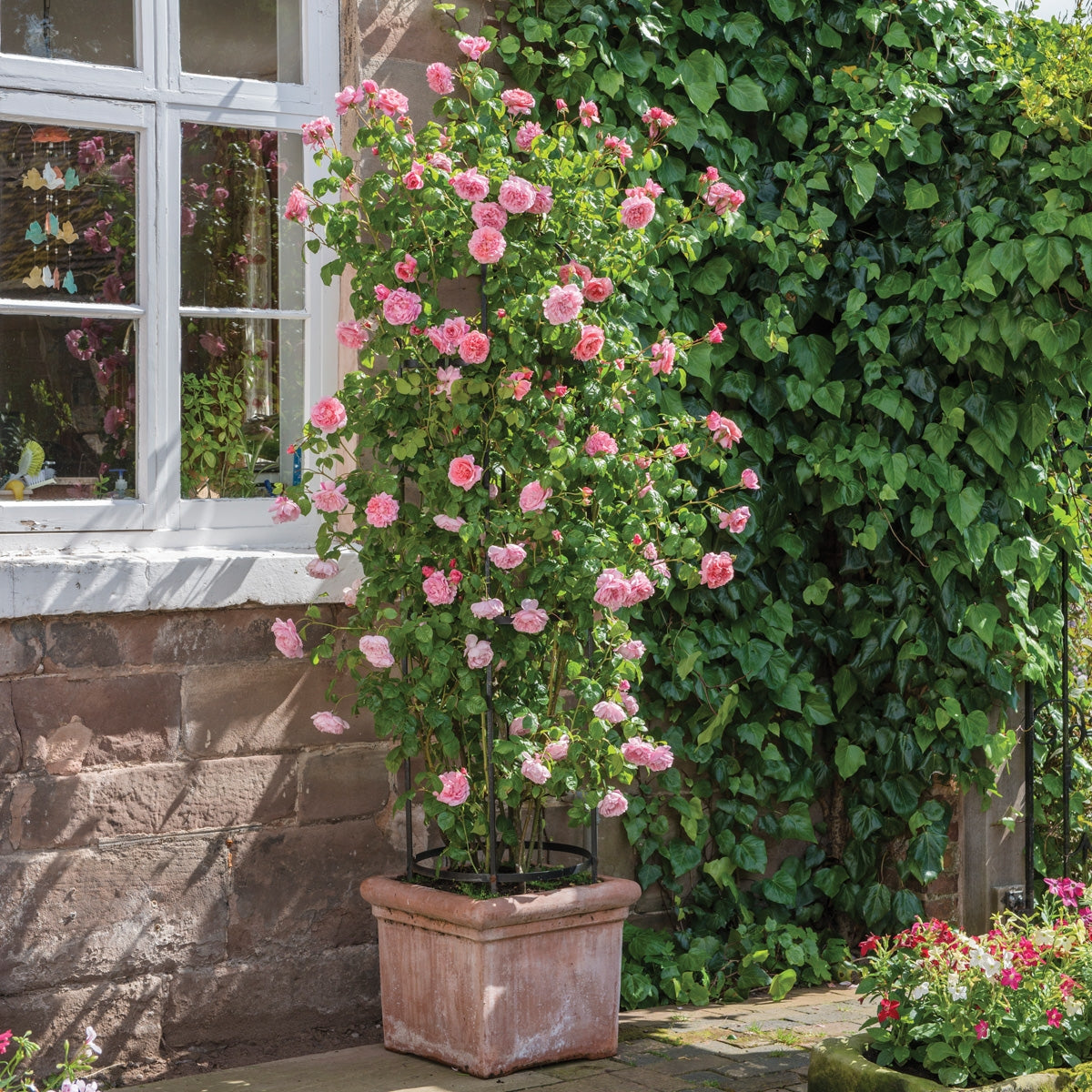
Not every rose is equally suited to shaping. The most accommodating candidates are vigorous climbing roses with long, flexible young canes. Repeat-flowering varieties such as Strawberry Hill®, Malvern Hills® or The Albrighton Rambler™ are particularly gratifying, as the display renews itself across the season.
Youth is your ally. Stems are far more pliable when young, responding kindly to gradual bending. Older wood, though sturdy, is less forgiving and may resent dramatic adjustment.
The Governing Principle
Success lies in gentleness. A stem should be eased, never forced. If resistance is felt, it is wiser to pause and revisit the task another day. Roses possess a remarkable memory for harsh handling but respond beautifully to patient persuasion.
Think of training not as directing growth, but as guiding it.
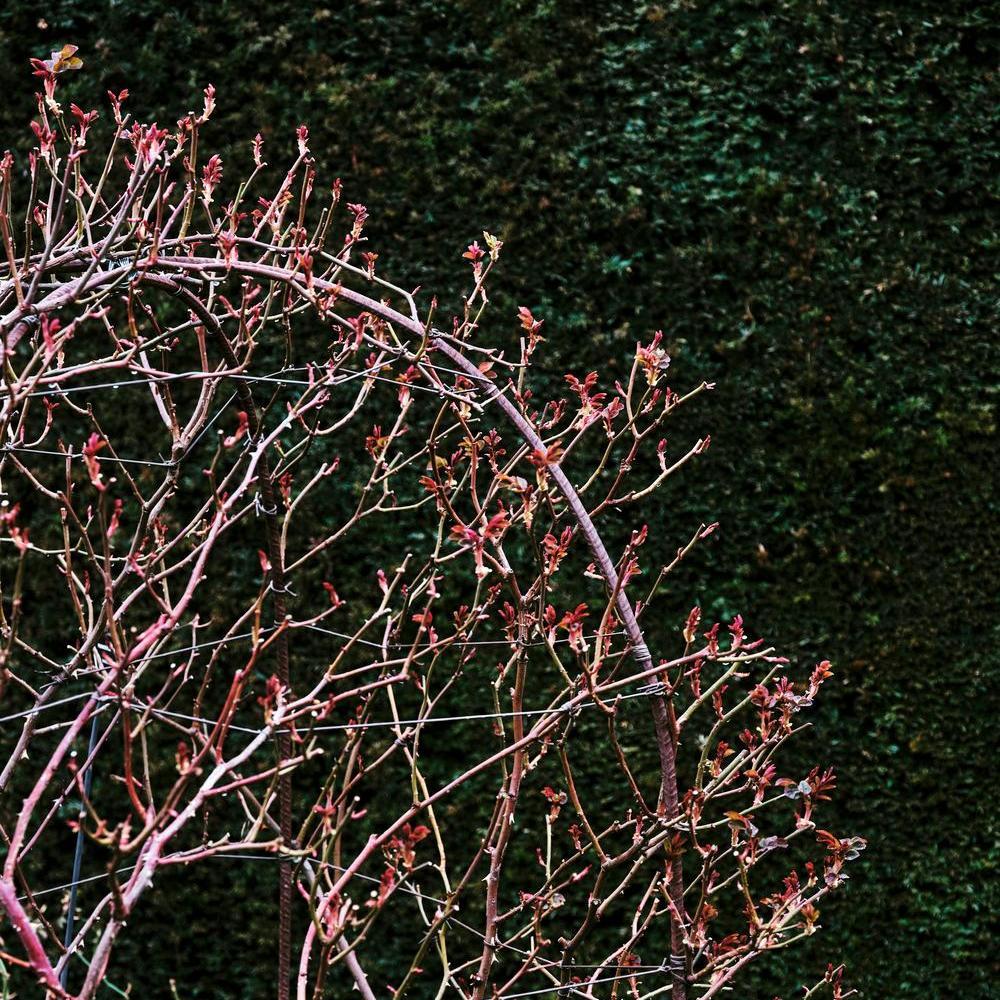
With the structure in place, the shaping may commence.
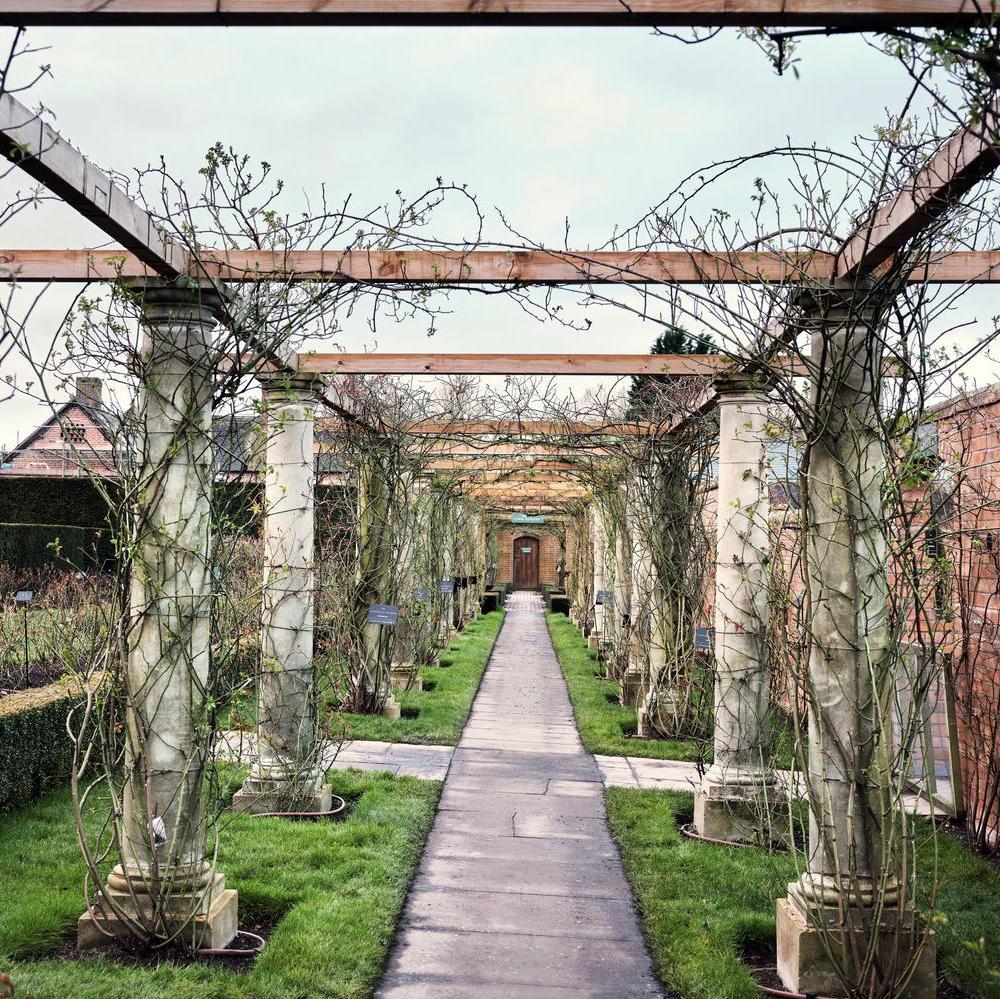
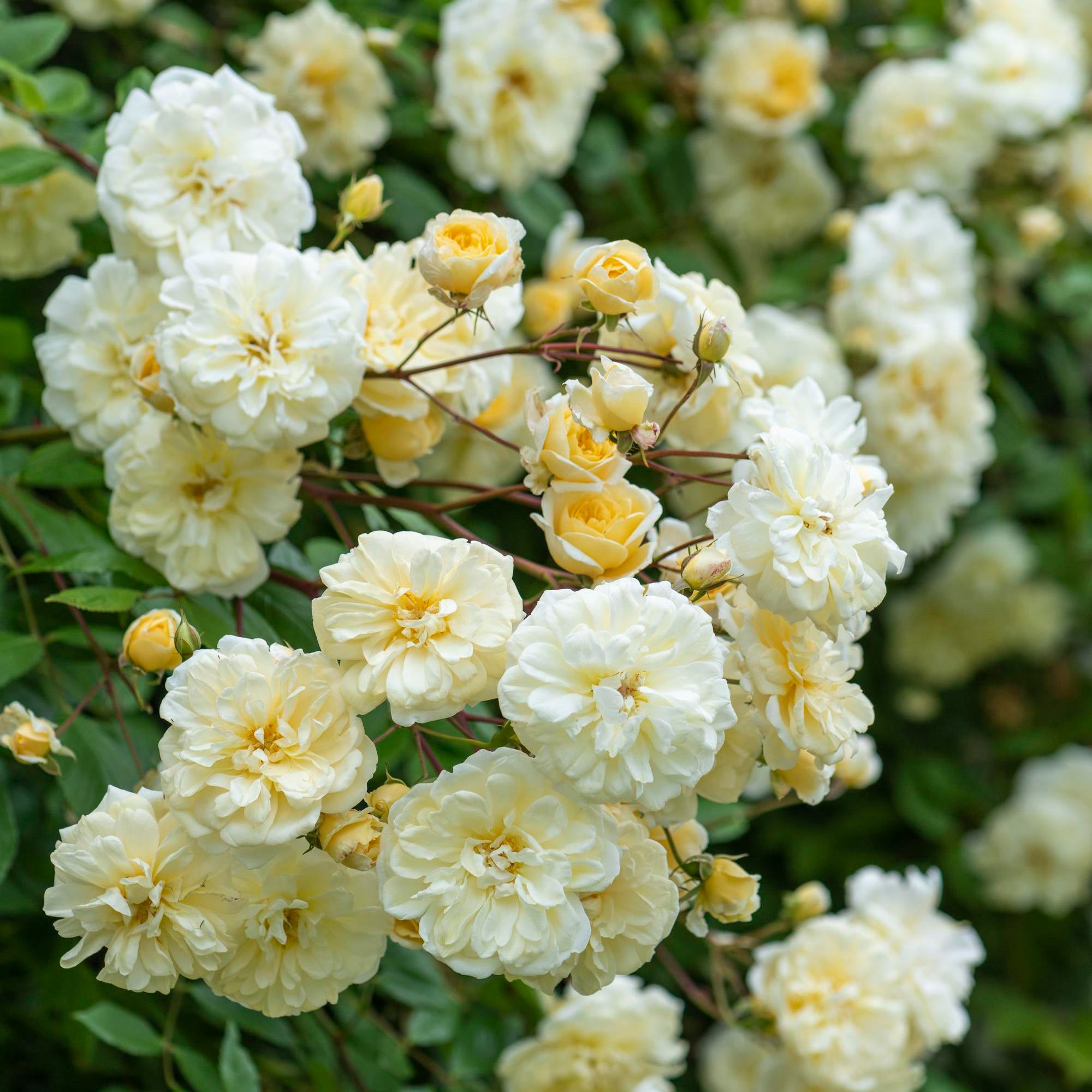
In time, blooms gather along the curve like garlands, softening walls, fences, or pergola beams with effortless elegance. Swags follow a similar principle, though they often span between two anchor points. Here, the stem is allowed to dip gently before rising again, creating a relaxed, draped effect.

Forming Flowing Waves
Where arcs introduce grace, waves introduce movement. By alternating the direction of successive stems, one guided slightly left, the next subtly right, a sense of gentle motion emerges. The effect is understated at first, becoming more pronounced as foliage and flowers develop.
A previously static surface begins to feel animated, the rose tracing a soft visual rhythm across it.
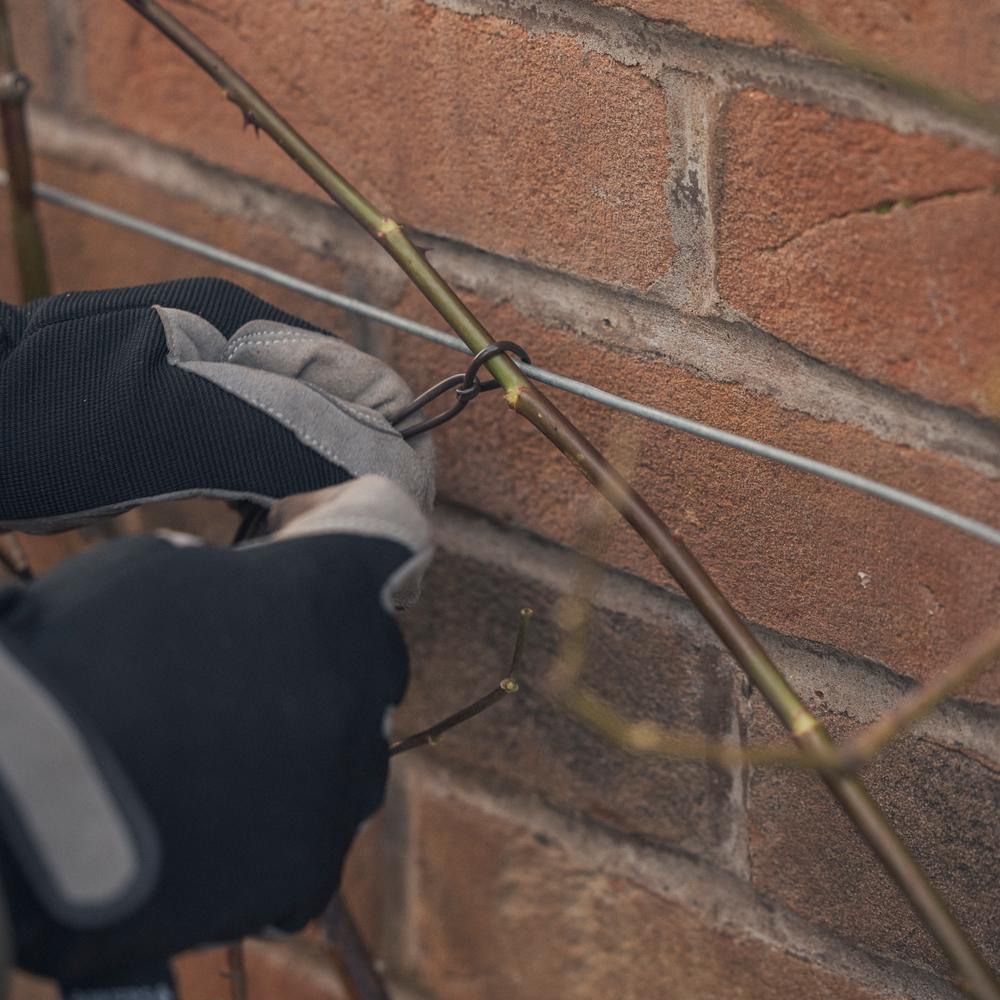
Revisiting ties each year is essential. A stem gently secured today may swell considerably by the following season.Learn more
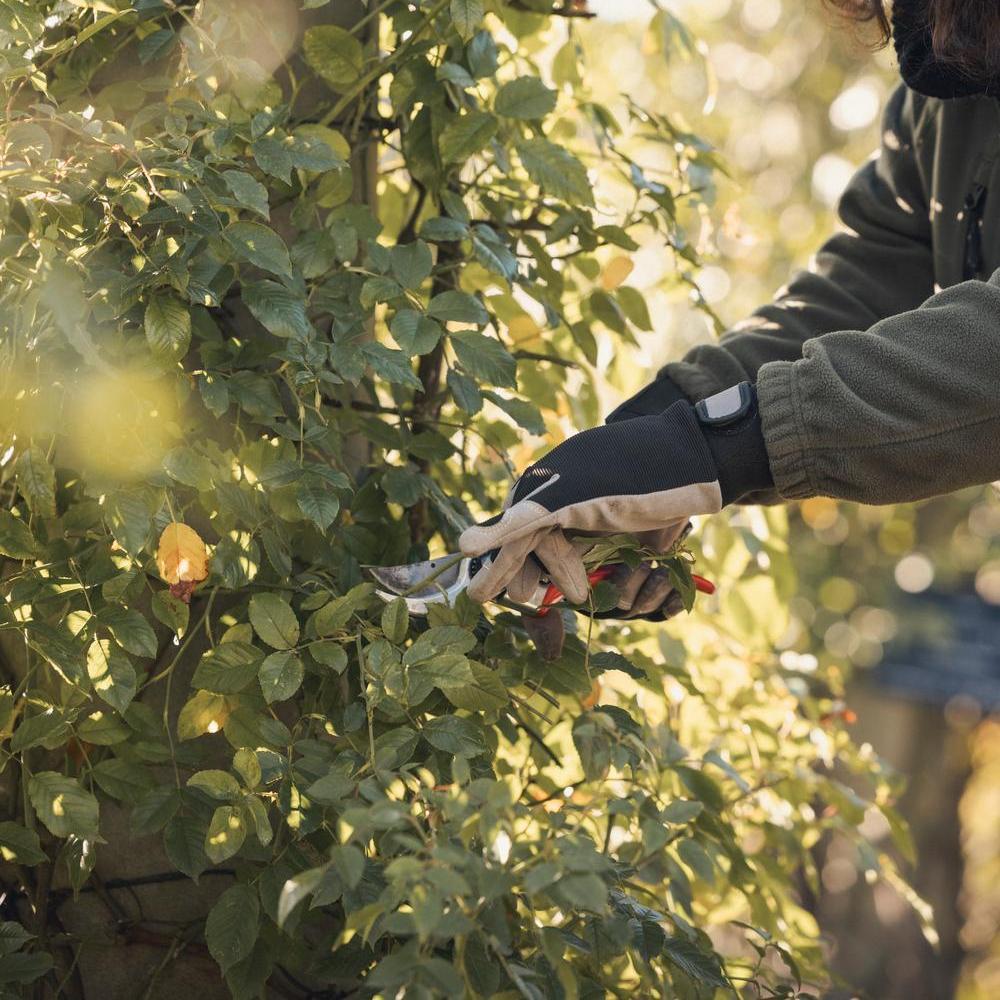
Editing, as always in gardening, is an exercise in restraint.Learn more
A Matter of Time
Decorative training unfolds slowly. The first year establishes direction, the second strengthens the framework, and by the third the rose begins to reward your foresight generously.
There is pleasure in this gradualness. Anticipation becomes part of the beauty.
The Quiet Satisfaction
When at last flowers gather precisely along a curve imagined seasons earlier, the feeling is deeply satisfying. Not triumph, exactly, but harmony, the sense of having worked with nature rather than upon it.
A shaped rose does not merely grow.
It performs, gracefully and without fuss.
-
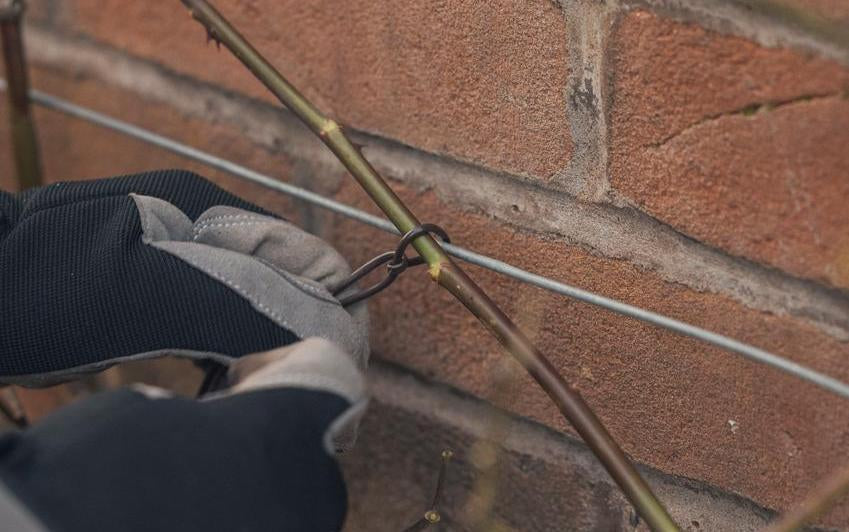
How to Train and Tie-In Climbing RosesTraining a climbing or rambling rose is one of the most rewarding tasks in the garden. With a little early guidance, those long, searching stems can be encouraged exactly where you want them, turning walls, arches, fences, and pillars into living tapestries of bloom. Left entirely to themselves, roses will still grow, but thoughtful training brings balance, structure, and a far richer display of flowers.
-
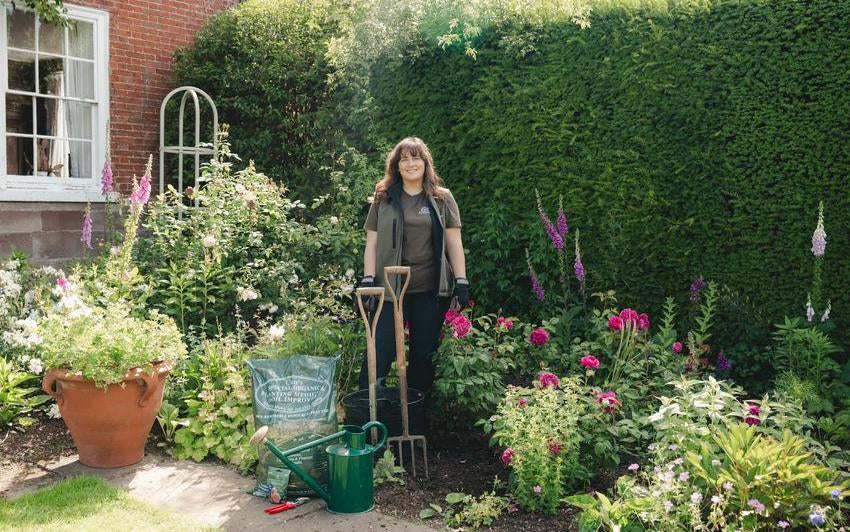
Moving a Rose: A Step-by-Step GuideRoses are wonderfully resilient, and sometimes a change of position is all that is needed to help one flourish. Perhaps a border is being redesigned, a rose would benefit from more sunshine, or a much-loved plant simply needs a little more room.
-
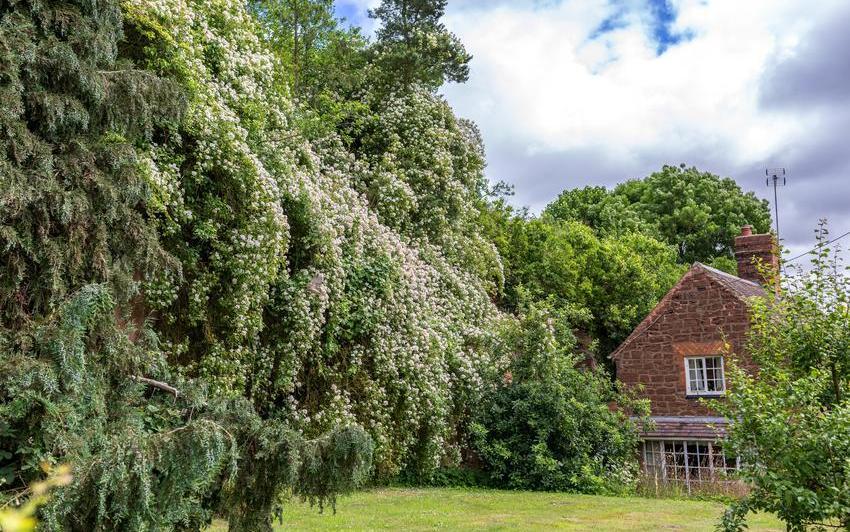
How to Plant and Grow a Rambling Rose Up a TreeRambling Roses have a natural affinity with trees. Their long, vigorous stems can be encouraged upwards into the branches, where they gradually weave through the canopy and open their flowers amongst the leaves. As the rose matures, the effect becomes increasingly natural, with great trusses of bloom appearing high above the ground and tumbling softly from the branches..
-
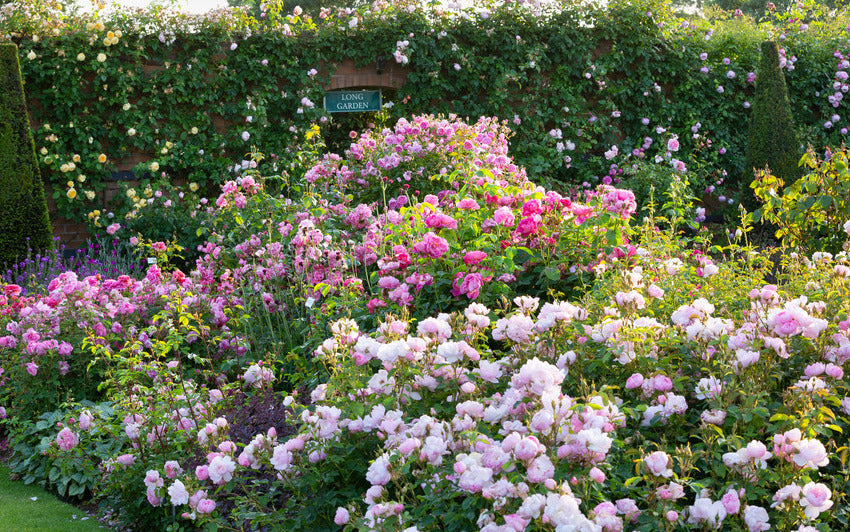
How to Grow Healthy Roses Without Chemical SpraysIt is perfectly possible to grow beautiful, healthy roses without routinely using chemical sprays. The key is to concentrate on the health of the rose and the garden around it, rather than trying to prevent every aphid, marked leaf or other sign of nature.
-
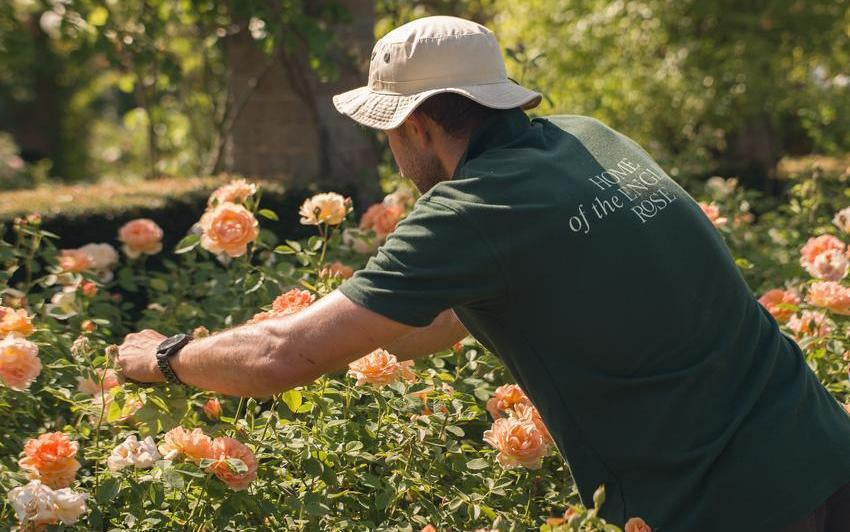
Summer Pruning Roses: What It Is and Why It MattersBy the height of summer, many repeat flowering roses will already have given a wonderful display, with some moving through their second flush of flowers. As blooms begin to fade, a little thoughtful care can help keep plants looking their best and encourage further flowers to follow.
-
Spider Mites on Roses: Meet the Tiny Pest That Loves Your RosesTiny, elusive and surprisingly hungry, spider mites are one of the most common pests to appear on roses during warm, dry weather. Although they're difficult to spot, the damage they leave behind is much easier to recognise. Fortunately, once you know what to look for, they're straightforward to manage, especially when caught early.
-
Holiday Rose Care: How to Protect Your Roses While AwayThere is a distinct, bittersweet ache that every gardener knows. It happens the moment you zip up your suitcase, step out the front door, and cast a final glance at your garden. In the height of summer, our roses are often reaching their breathtaking peak. It feels almost cruel to leave them behind just as they are putting on their finest show.