
Why Are My Rose Leaves Turning Yellow? How to Decode and Fix Your Plant's Foliage
There is nothing quite like the sudden panic of walking out to your garden coffee in hand and noticing your prized rose bush looks completely washed out. One day it is a picture of lush green health, and the next, a scattering of bright yellow leaves makes it look like autumn arrived early.
If you are staring at your plants right now wondering what went wrong, take a deep breath.
While it feels alarming, yellowing leaves are rarely a death sentence. Instead, think of them as your rose's way of sending a message about its health. It is usually just a quick, fixable protest against a sudden change in weather, a shift in soil nutrients, or a watering routine that is slightly off balance. By playing a little bit of a garden detective and looking at exactly how and where the leaves are changing colour, you can easily figure out what your plant is asking for.
The Common Culprits Behind Yellowing Rose Leaves
To fix the issue, you must first play garden detective. Roses use their leaves to communicate, and the specific way the foliage changes colour will tell you exactly what is wrong.
Too Much or Too Little Water
Healthy roses appreciate consistent moisture, but they dislike sitting in waterlogged soil. Water issues are among the most common reasons for yellowing leaves, but they show up in different ways.
- The Signs of Overwatering: If the leaves are turning a uniform yellow and feel soft or limp, the roots may be struggling in overly wet conditions. Poor drainage prevents oxygen from reaching the roots and, over time, can lead to root damage and rot.
- The Signs of Underwatering: Conversely, prolonged dry weather can cause older leaves near the base of the plant to yellow and fall as the rose conserves its limited moisture.
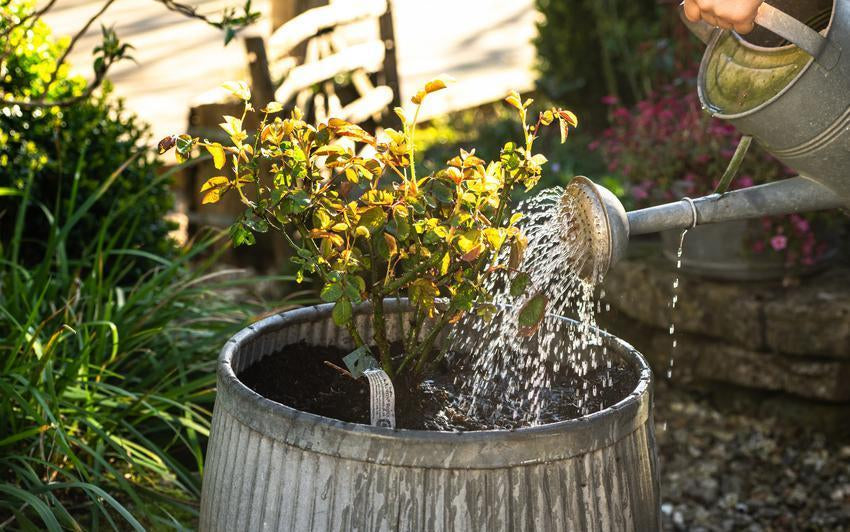
- The Fix: Allow the soil to dry slightly between waterings and ensure excess water can drain away freely. Roses growing in containers should always have adequate drainage holes. During warm weather, water deeply at the base of the plant rather than little and often.
Nutrient Deficiencies and Soil pH
Roses are vigorous plants and benefit from a feed during the growing season. When nutrients become unavailable in the soil, the leaves often reveal the first signs of stress.
- Nitrogen Deficiency: A lack of nitrogen typically causes older leaves to become pale yellow across their entire surface.
- Iron or Magnesium Deficiencies: These deficiencies appear quite differently. The leaf tissue turns yellow while the veins remain sharply green, a condition known as chlorosis. Iron deficiency usually affects the youngest leaves first, while magnesium deficiency often begins on older, lower foliage.
- The pH Connection: Sometimes the nutrients are present in the soil but cannot be absorbed. Roses grow best in slightly acidic soil, with a pH of around 6.0 to 6.5. In alkaline conditions, nutrients such as iron become chemically locked up and unavailable to the roots.
- The Fix: If a nutrient deficiency is suspected, a soil test can provide useful guidance. Feeding with a balanced rose fertiliser and improving soil health will often restore healthy growth.
Fungal Diseases
If yellow leaves are accompanied by dark markings, a fungal disease may be responsible.
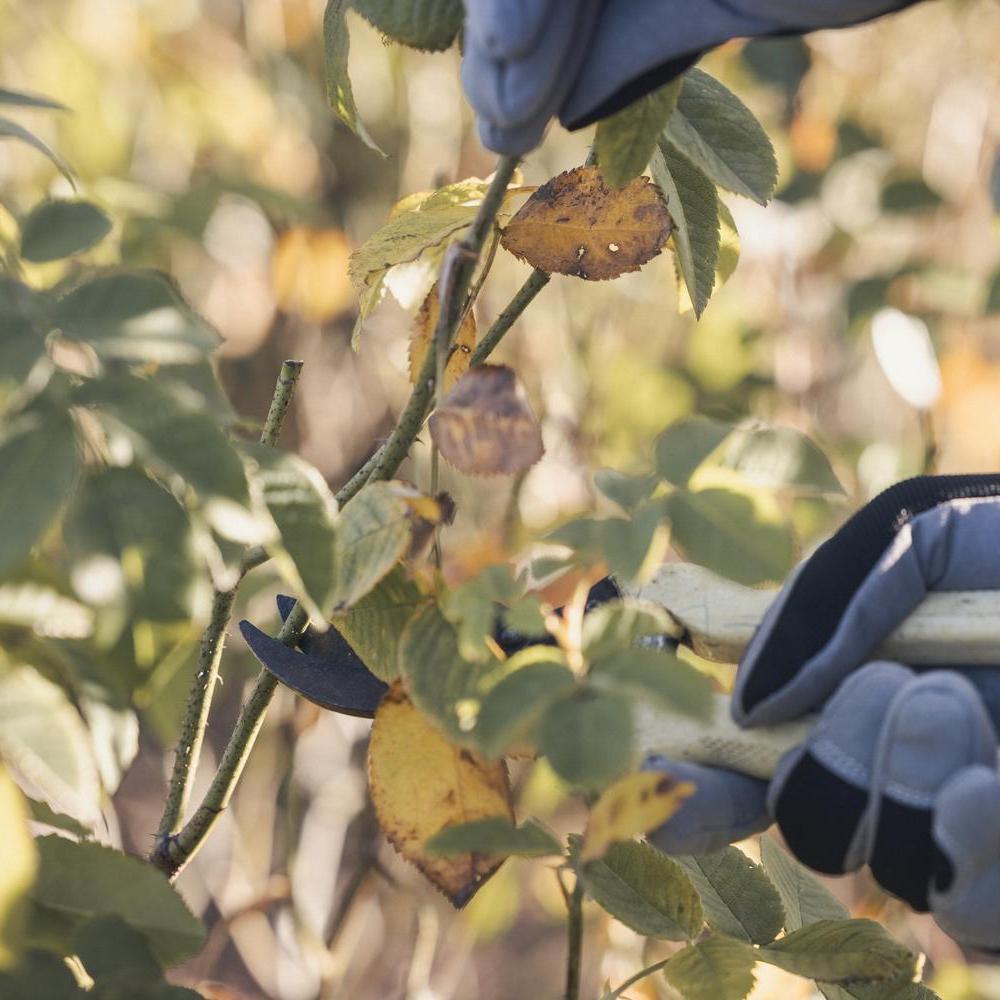
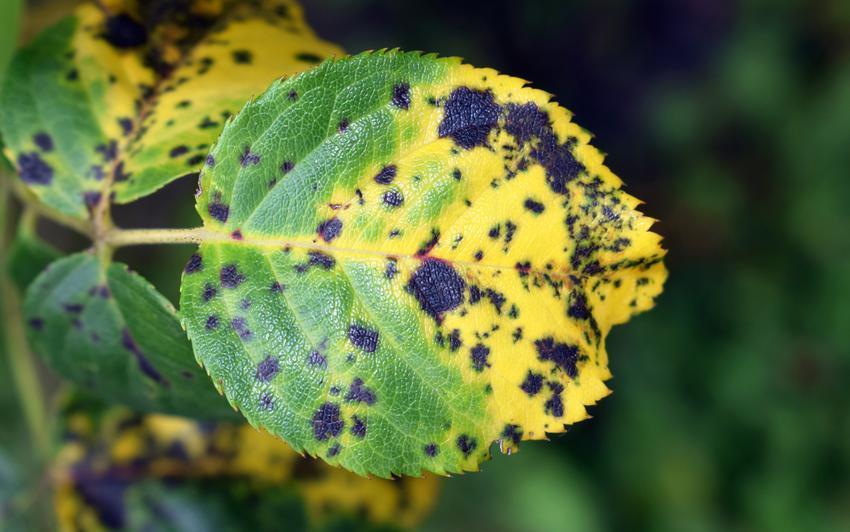
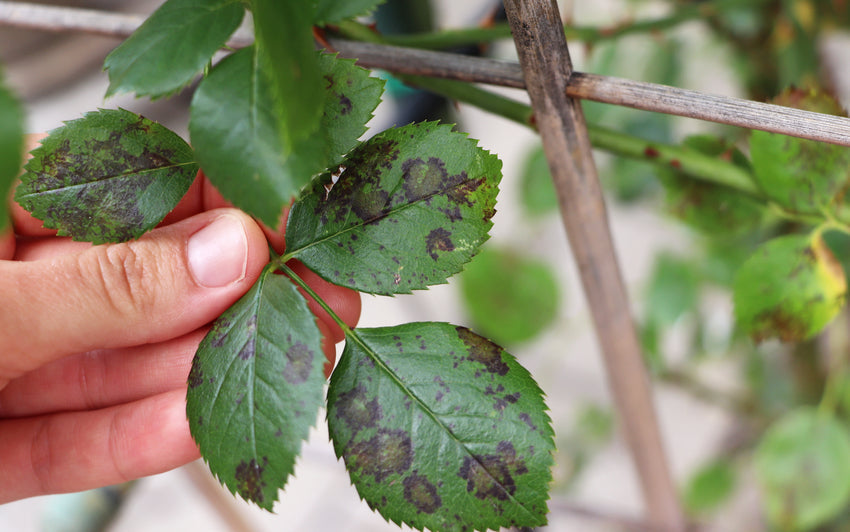
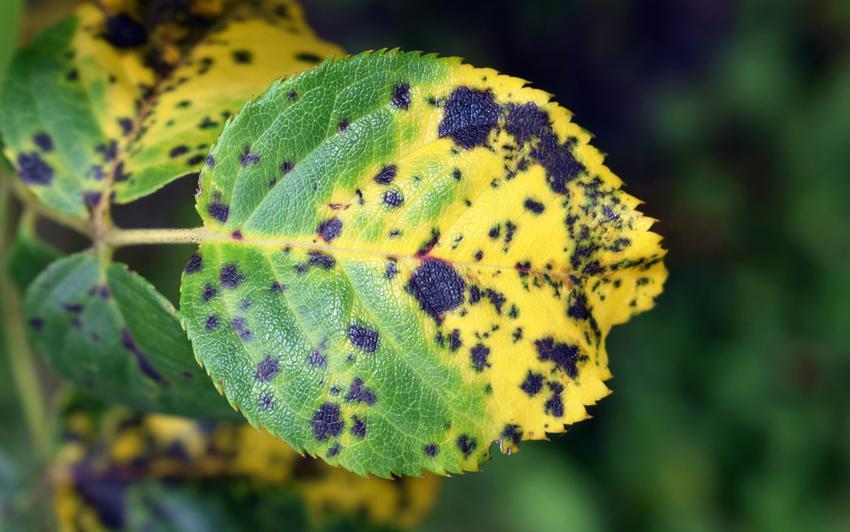
- Black Spot: This is one of the most common rose diseases. Small black or purple spots develop on the foliage before the surrounding leaf gradually turns bright yellow and falls off. The fungus thrives in warm, wet conditions and can spread rapidly through splashing water.
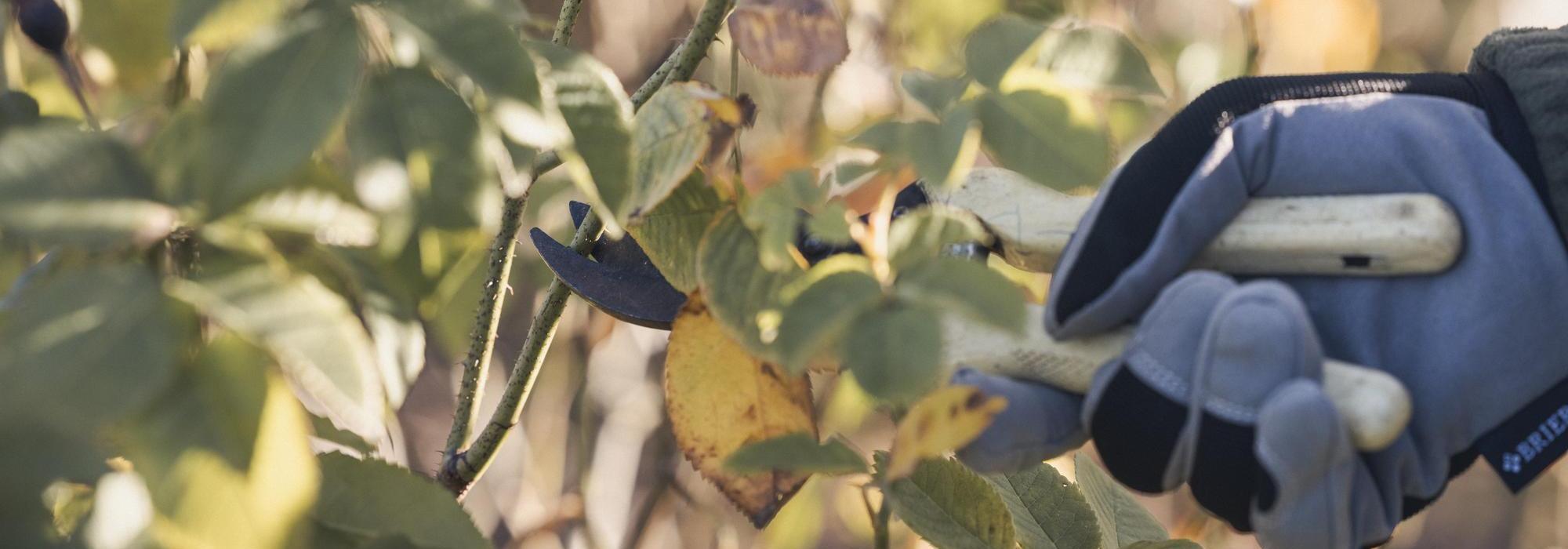
- The Fix: Removing affected leaves promptly and watering at the base of the plant helps reduce the spread of spores. Good air circulation around the plant is equally important, so ensure your roses are not overcrowded.
Pest Infestations
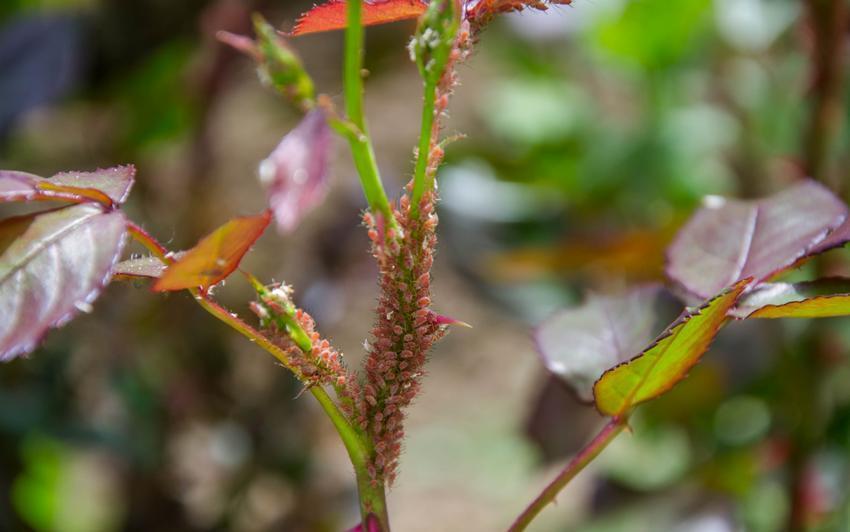
Sap-feeding insects can also cause foliage to lose its colour by draining the plant's vital juices.
- The Signs: Aphids, spider mites, and thrips feed on the leaves, leaving behind yellow mottling or fine speckling. Spider mites are particularly active during hot, dry weather and often leave delicate webbing on the underside of the leaves.
- The Fix: Small infestations can often be managed by encouraging beneficial insects, like ladybirds, and washing the foliage with a gentle stream of water. Regular inspection allows problems to be caught before they become established.
When Yellow Leaves Are Perfectly Natural
Not every yellow leaf is a cause for concern. Before you change your entire gardening routine, check the location of the yellowing.
As roses produce fresh growth, older leaves near the base of the plant naturally age and fall away. This is especially common during the height of summer, when the upper canopy grows dense and shades the oldest foliage. If only a handful of lower leaves are affected and the rest of the plant looks healthy, there is usually no need to worry. Your rose is simply discarding unproductive leaves to focus its energy on new blooms.
Proactive Steps to Keep Rose Foliage Healthy
A healthy rose is naturally more resilient to pests, diseases, and environmental stress. Implementing the following practices will help encourage strong, green growth throughout the season:
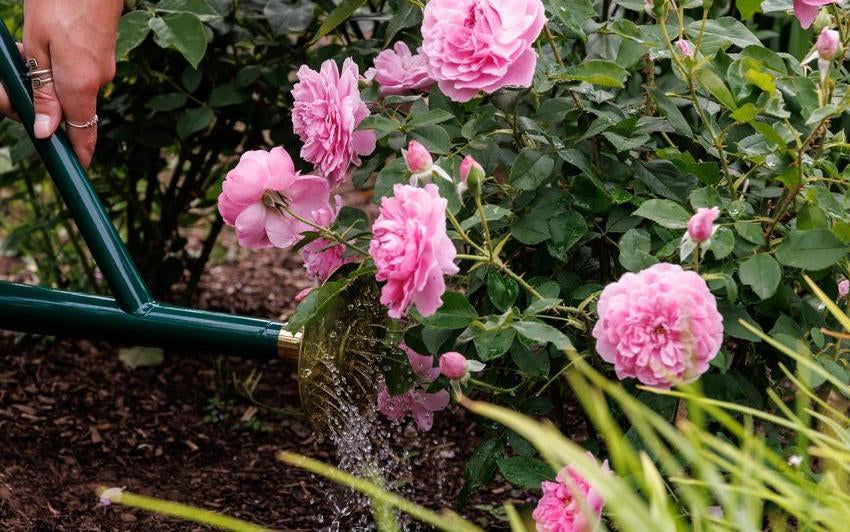 Water deeply during dry spells, allowing the soil to drain freely.Learn how to water
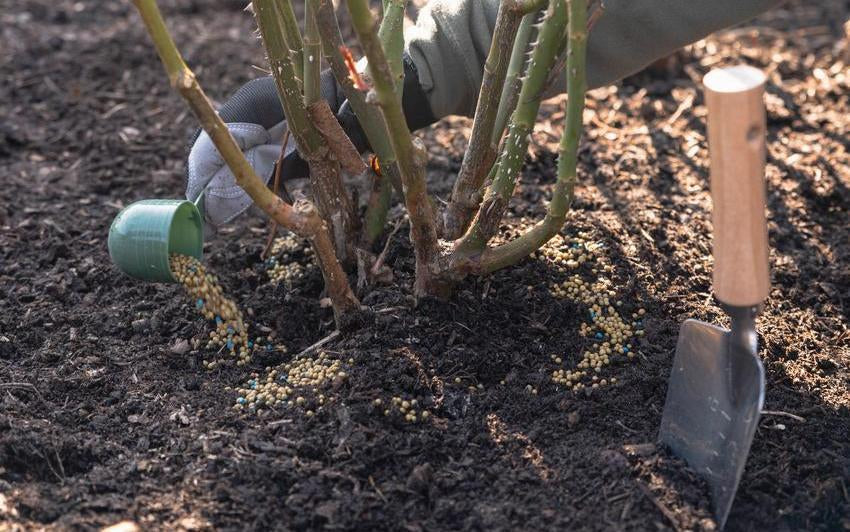 Feed with a controlled-release rose fertiliser in spring.Learn how to feed
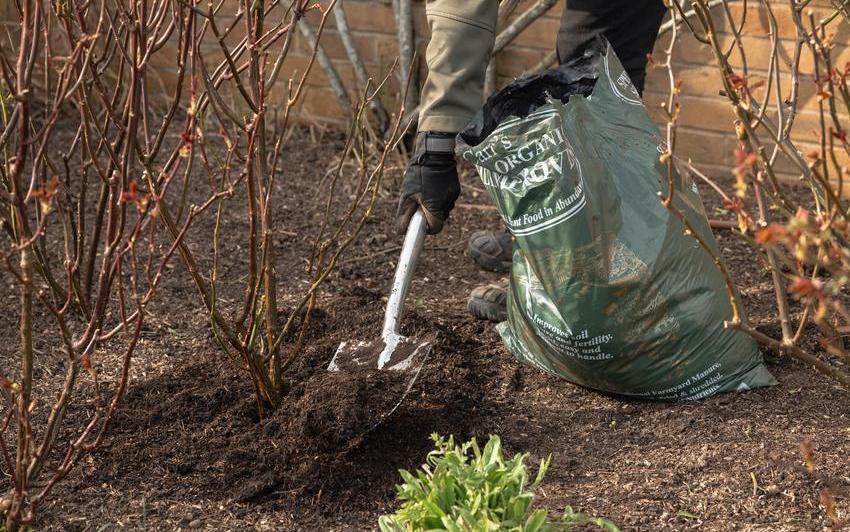 Apply a generous layer of organic mulch each spring to conserve moisture and improve the soil.Learn how to mulch
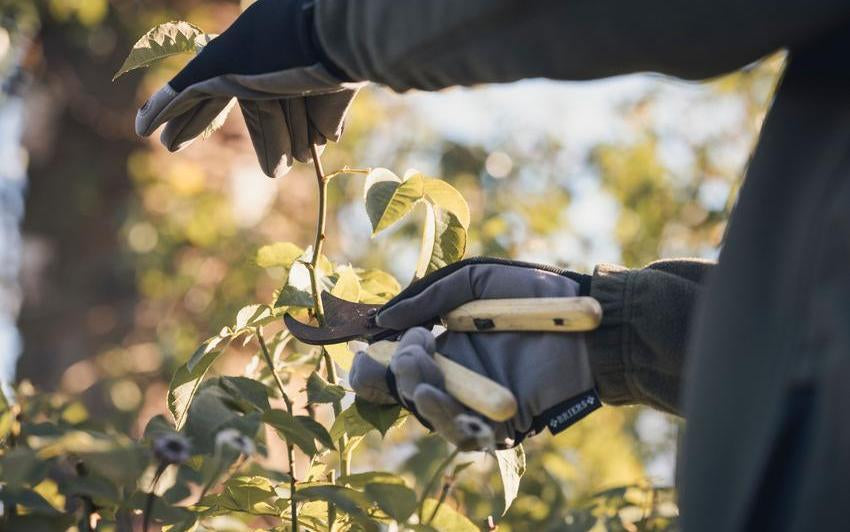 Prune to encourage good air circulation through the centre of the plant.Learn how to prune
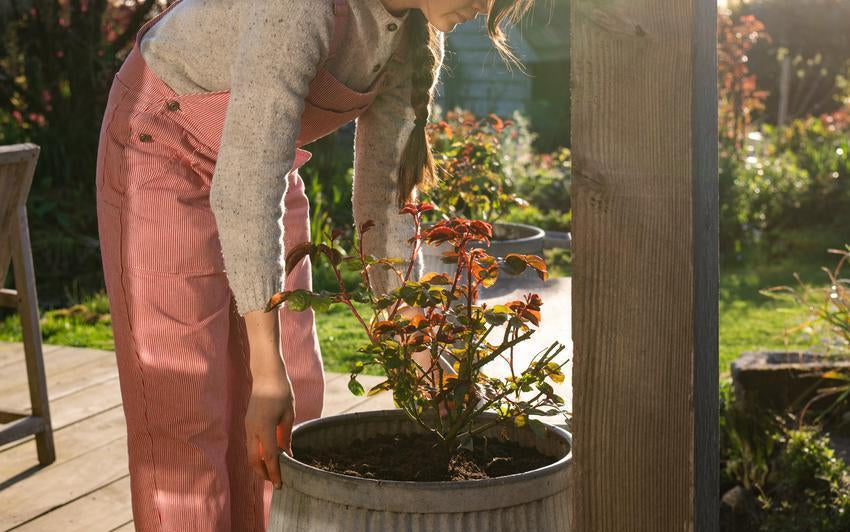 Inspect plants regularly for early signs of pests or disease.Learn more
Leaves that have already turned completely yellow rarely regain their green colour. Once the underlying problem has been corrected, your efforts will be rewarded when new growth emerges healthy and green.
If the leaves are affected by a disease like black spot, they should be removed and disposed of immediately to stop the spread. If they are simply ageing naturally, they will usually fall away on their own.
Yes. Excess moisture is one of the most common causes of yellow foliage, particularly where drainage is poor or the soil is heavy clay.
A few older leaves near the base of the plant may naturally yellow and fall during the growing season due to shading. Widespread leaf loss, however, usually indicates an underlying issue that should be investigated.
-
How to Tell Downy Mildew and Blackspot Apart on Your RosesRoses sometimes show signs of illness that can be easy to mistake for one another. Two common problems are downy mildew and blackspot. Both affect foliage and can weaken the plant, yet they present differently and thrive under distinct conditions. Recognising these differences allows gardeners to respond appropriately and preserve the health and beauty of their roses.
-
The Truth About Blackspot: A Guide to Keeping Your Roses HealthyIf you grow roses, you’ve likely heard about blackspot, that pesky fungal troublemaker that loves to spoil even the most beautiful bushes. It’s one of the most common problems gardeners face, and while it doesn’t kill your roses outright, it can really take the wind out of their sails if left unchecked.
-
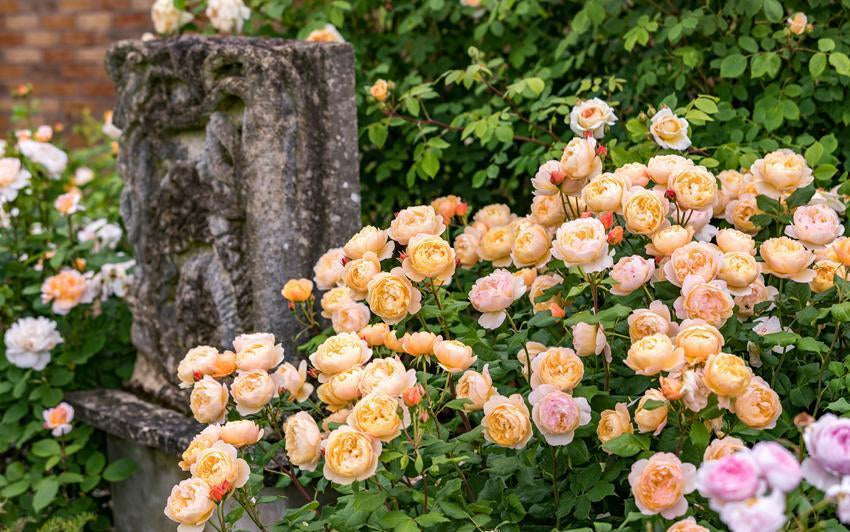
The Changing Colours of English RosesIt’s something that catches gardeners out time and again. A rose you’ve grown before, chosen for its particular shade, opens in a colour that seems unfamiliar. Maybe it’s paler. Maybe there’s a flush of pink where there wasn’t one before. Maybe the whole bloom looks like it belongs to another plant altogether.
-
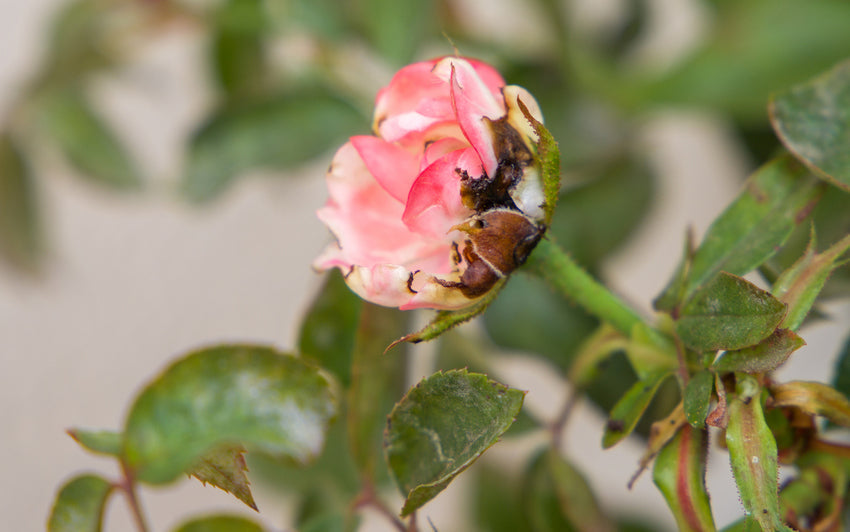
When Buds Refuse to Bloom: A Gardener's Encounter with ThripsIt begins quietly. You’re walking the garden in the early morning, coffee in hand, admiring the swell of buds after a warm spell. Everything looks as it should, until your eye catches one that seems reluctant to open. The petals are puckered, almost as if they’ve been pinched, and their edges are tinged with a strange brown. A day or two later, another bud does the same. Then a third.
-
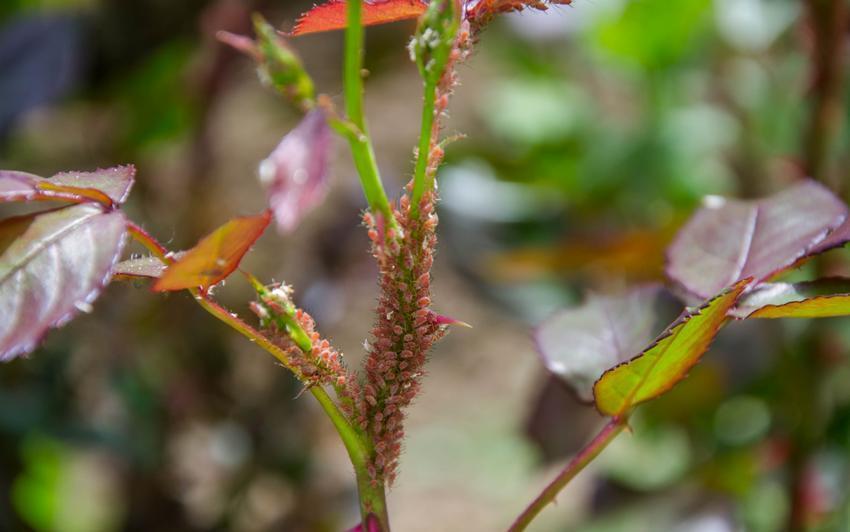
The Arrival of Aphids: Friends or Foes to Your English Roses?As the days grow longer and the warmth of spring fills the air, your roses begin to come back to life. But with the change in season, you might notice some tiny visitors on your plants – aphids.
-
The Basics of Growing RosesRoses bring a quiet happiness to a garden. Their beauty feels effortless once they are settled, and even a new gardener can grow them with success. With sunlight, sound soil, and a little seasonal care, roses will flower generously and become dependable companions through the year..