
Summer Pruning Roses: What It Is and Why It Matters
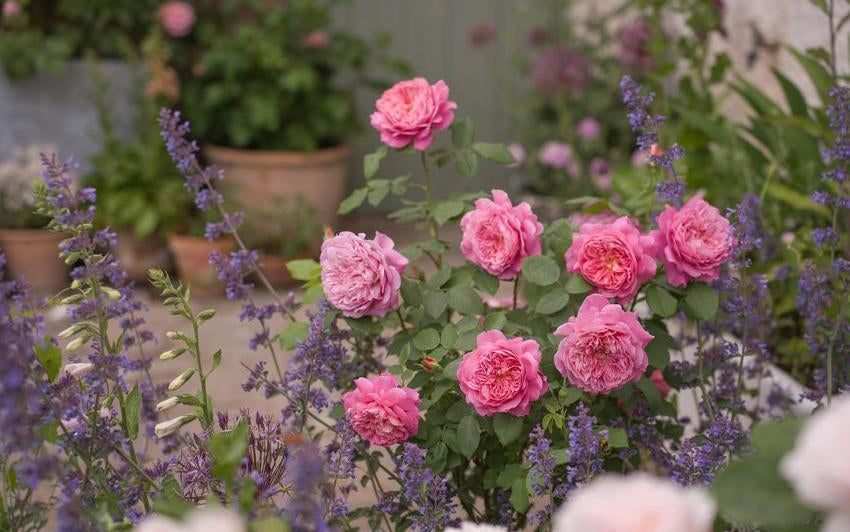
By the height of summer, many repeat flowering roses will already have given a wonderful display, with some moving through their second flush of flowers. As blooms begin to fade, a little thoughtful care can help keep plants looking their best and encourage further flowers to follow.
This is where summer pruning comes in.
Summer pruning is, in essence, a more generous form of deadheading.
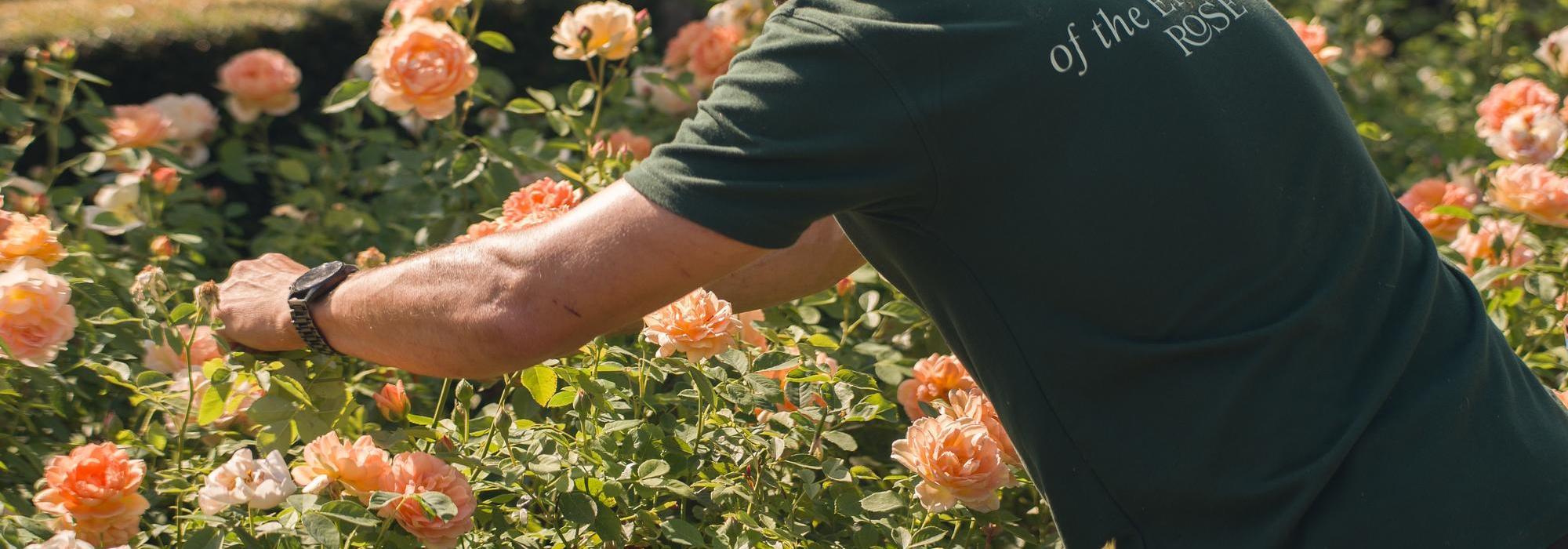
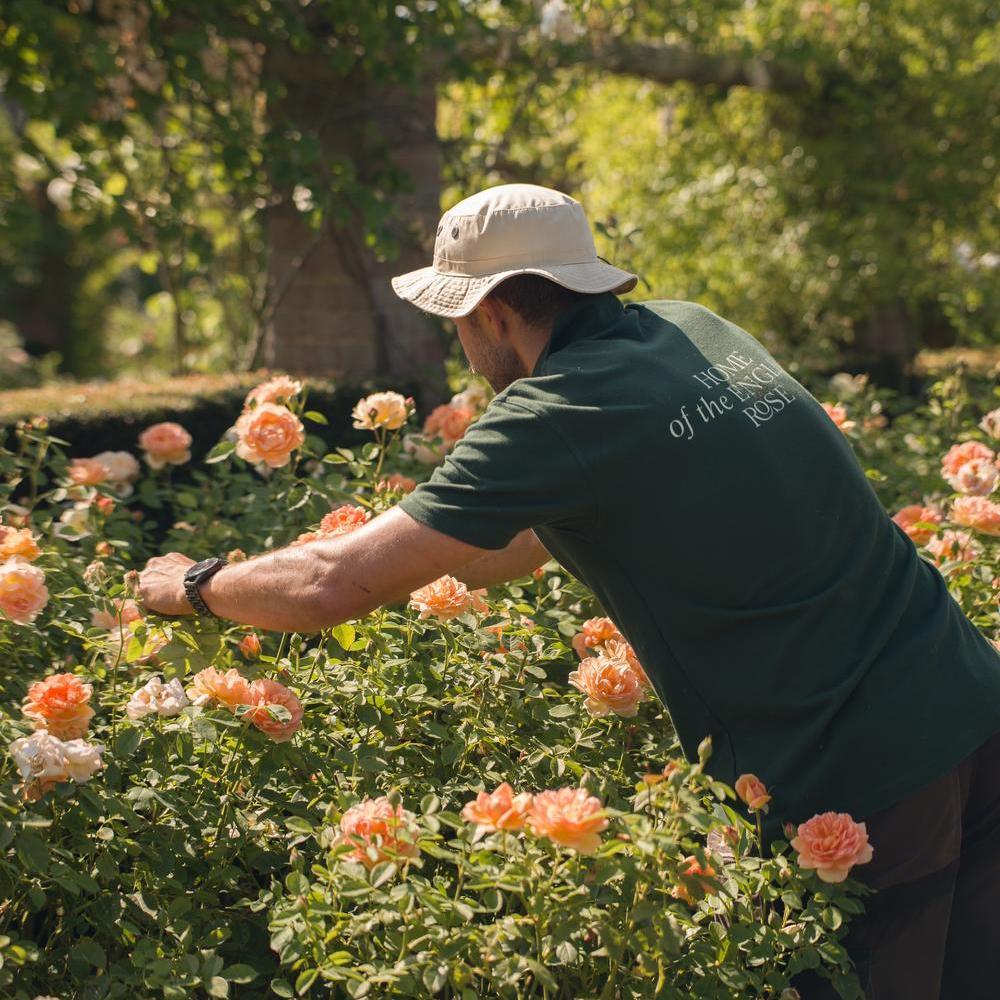
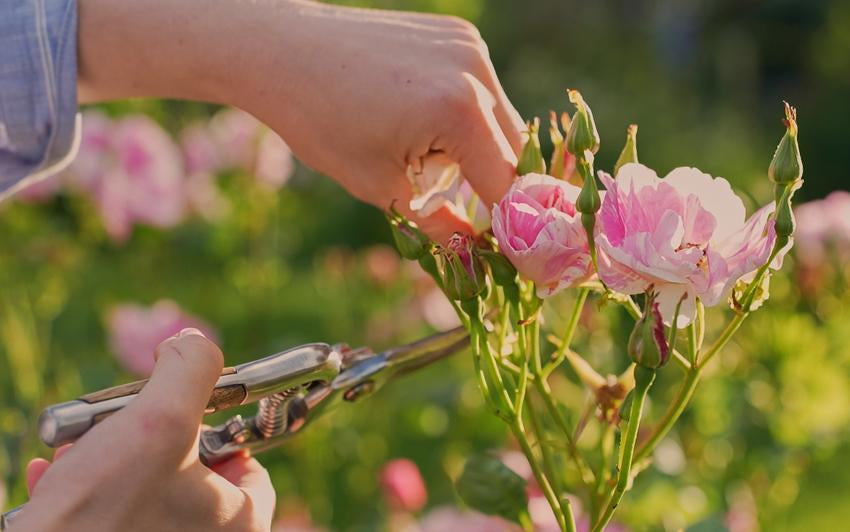
When an individual rose has finished flowering, we would ordinarily deadhead it by removing the spent bloom. However, once an entire cluster of flowers has gone over, rather than removing each flower individually, the flowering stem can be cut back further.
Follow the stem down below the finished flowers and make your cut just above a healthy leaf. This removes the whole spent flowering section and leaves the rose neat and ready to put its energy into fresh growth and, for repeat flowering varieties, more blooms.
There is no need to be too tentative. If everything on that particular stem has finished flowering, it can be taken back quite some way.
- Secateurs
- Bucket to collect stems
- Keeling pad for shrubs in borders
Leave a Little Beauty Behind
Summer pruning needn't mean removing every flower at once.
If a cluster contains a bloom that is still opening beautifully, leave it to be enjoyed and simply remove the finished flowers around it. The aim is to keep as much colour and fragrance in the garden as possible while gently tidying those stems that have finished.
It is a wonderfully simple approach: enjoy each flower for as long as it lasts, then make room for those still to come.
Summer Pruning or Deadheading?
The two are closely related, but the distinction is useful.
Deadheading usually means removing individual spent flowers as they fade. Summer pruning comes into its own when a complete flowering stem or cluster has finished. Instead of snipping immediately beneath each bloom, follow the stem further down and cut just above a leaf.
Throughout summer, you may find yourself doing a little of both. Roses rarely finish flowering all at once, so simply work with each plant as you find it.

Should You Summer Prune Every Rose?
No, and this is an important exception.
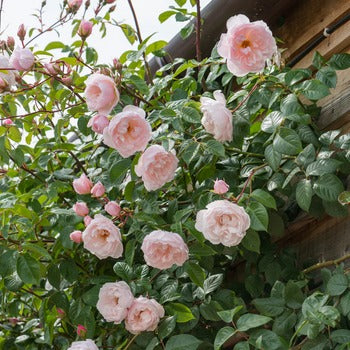
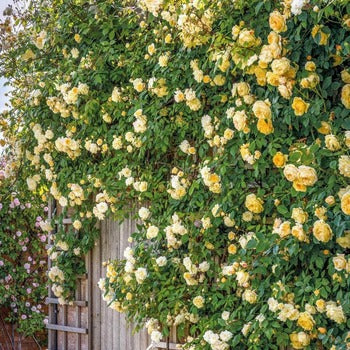
Roses that do not repeat flower, including many Rambling Roses, needn't be deadheaded after their summer display. Once their flowers fade, leave them in place and many will go on to develop hips.
These jewel-like fruits bring another season of interest to the garden as summer gives way to autumn, while also providing a welcome source of food for birds.
Repeat flowering roses, on the other hand, benefit from having their spent blooms removed throughout summer. Regular deadheading and occasional summer pruning help the plant concentrate its energy on producing fresh growth and further flowers rather than developing hips.
A Simple Summer Ritual
During the flowering season, it is worth spending a little time among your roses regularly, secateurs in hand. Remove individual flowers as they fade and, when a whole cluster has finished, follow its stem down to a healthy leaf and prune there.
There is something rather satisfying about this gentle rhythm of summer care. Finished flowers are quietly removed while fresh buds and beautiful blooms are left untouched, keeping the garden full of colour and fragrance for as long as the season allows.
And where a rose has finished flowering for the year, sometimes the best thing to do is simply leave it be, allowing summer's flowers to become autumn's hips.

-
A Masterclass in Deadheading Roses: How to Prolong the Perfect BloomThere is an undeniable allure to a rose bush at the peak of its summer display. Yet, as individual blossoms fade, they do more than just disrupt the visual harmony of your garden. Left untouched, a spent flower signals to the plant that its reproductive work is complete. The rose then shifts its energy away from flower production and into developing seed pods, known as rose hips.
-
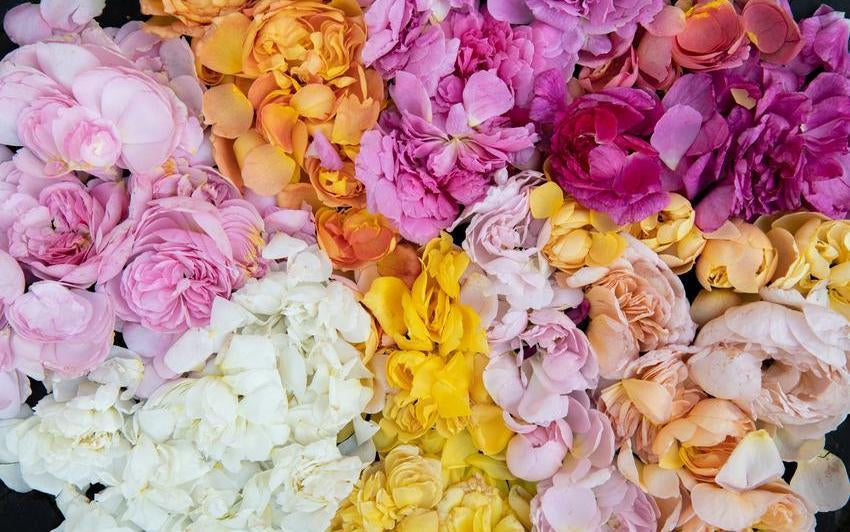
What to Do with Rose Petals After DeadheadingDeadheading roses can feel a bit like clearing up after something quietly wonderful. One flower fades, its colours softening and edges curling, while another is just beginning to open, full of promise. Suddenly your hands are full of petals - soft, warm from the sun, and still carrying that unmistakable, subtle scent of the garden. It’s easy to let them drop back to the soil, returning to where they came from. But sometimes they feel too lovely to leave behind, as though they’ve still got more to offer.
-
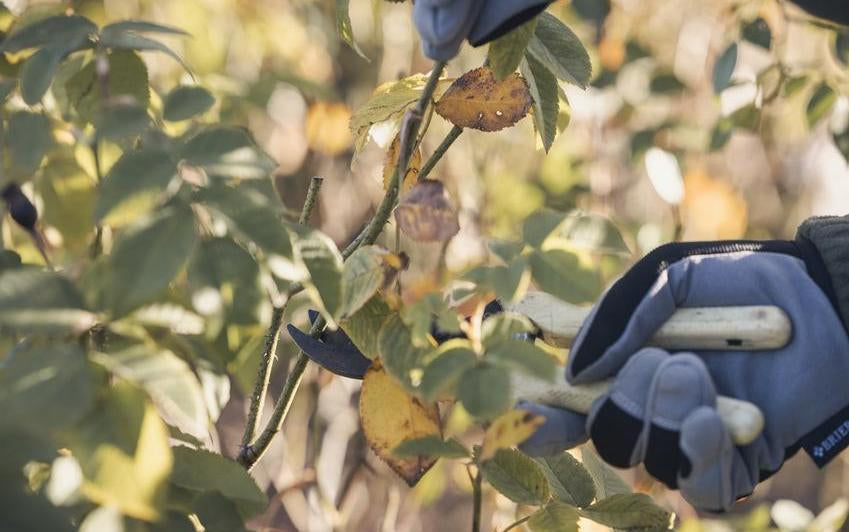
Why Are My Rose Leaves Turning Yellow? How to Decode and Fix Your Plant's FoliageThere is nothing quite like the sudden panic of walking out to your garden coffee in hand and noticing your prized rose bush looks completely washed out. One day it is a picture of lush green health, and the next, a scattering of bright yellow leaves makes it look like autumn arrived early. If you are staring at your plants right now wondering what went wrong, take a deep breath.
-
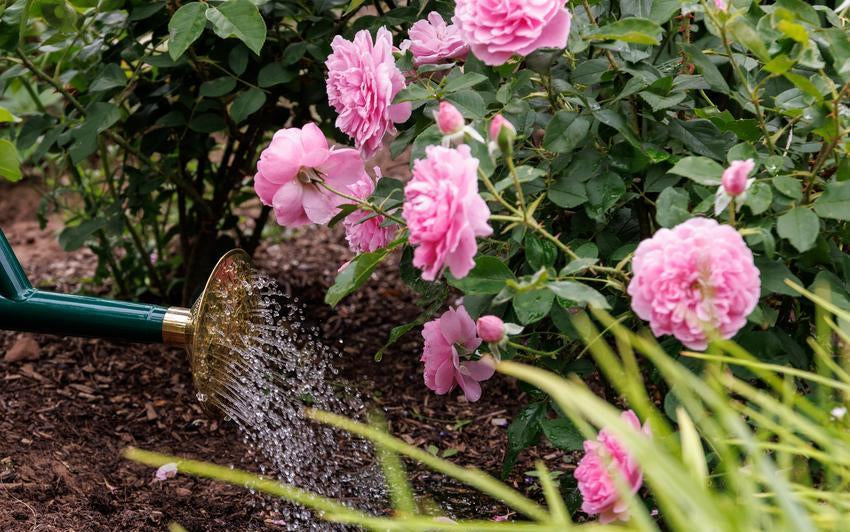
Heatwave Rose Care: Watering for Health and ResilienceSummers no longer behave as they once did. The balance of sun and rain that shaped our gardens for generations is slipping, replaced by longer dry spells and more intense heat. The soil hardens, moisture disappears quickly, and even the most established plants begin to show signs of stress. Roses, for all their grace and vigour, are no exception. But while the weather is changing, so too can we adapt our approach, caring for our plants with greater awareness and intention.
-
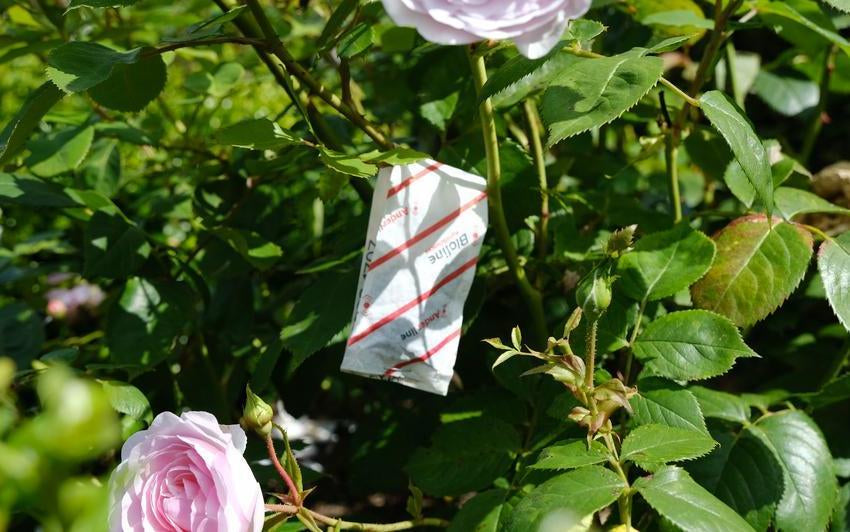
Spider Mites on Roses: Meet the Tiny Pest That Loves Your RosesTiny, elusive and surprisingly hungry, spider mites are one of the most common pests to appear on roses during warm, dry weather. Although they're difficult to spot, the damage they leave behind is much easier to recognise. Fortunately, once you know what to look for, they're straightforward to manage, especially when caught early.
-
Holiday Rose Care: How to Protect Your Roses While AwayThere is a distinct, bittersweet ache that every gardener knows. It happens the moment you zip up your suitcase, step out the front door, and cast a final glance at your garden. In the height of summer, our roses are often reaching their breathtaking peak. It feels almost cruel to leave them behind just as they are putting on their finest show.